First-time landlord checklist: 7 things to track from day one

Becoming a landlord is mostly about good record-keeping. The owners who stay calm at tax time and never lose a deposit dispute are not lucky — they simply tracked the right things from the start. This first-time landlord checklist walks through the seven things every new landlord should track from day one, grouped into money, documents, numbers and legal compliance, so your first rental stays organized and profitable.
Contents
Why tracking matters for first-time landlords
The difference between a stressful rental and a smooth one is almost always documentation. Good records protect you in disputes, make tax season painless, and show you at a glance whether the property is actually making money. Build the habit from the first month and rental property management becomes routine instead of guesswork.
Money to track: rent, deposits and expenses
The financial side of your first-time landlord checklist is the part that protects your income and your tax position.
1. Rent payments
Log every payment: the date received, the amount, and which month it covers. A clear rent payment history protects you if a tenant ever disputes whether they paid, and makes spotting a late or partial payment instant.
2. The security deposit
Record the deposit amount, the date received, and where it is held. Many regions require deposits to be protected in a specific scheme and returned within a set window — get this wrong and you can owe penalties.
3. Expenses (every single one)
Repairs, insurance, management fees, mortgage interest and travel to the property are often tax-deductible, but only if you have the records. Save receipts as you go; reconstructing a year of expenses at tax time is misery.
Documents to track: leases and key dates
The paperwork side of rental property management is easy to ignore until you need it.
4. The lease and key dates
Keep the signed lease plus its start date, end date and renewal or notice deadlines. Knowing exactly when a fixed term ends — and when notice is due — prevents accidental rollovers and awkward conversations.
5. Maintenance requests
Track what was reported, when, and how it was resolved. A documented maintenance trail keeps the property in good shape and is strong evidence that you met your obligations as a landlord.
RentFlow lets you track rent, tenants, leases and expenses without spreadsheets — plus free calculators for rental yield, cash flow and legal rent increases across 18 countries.
See RentFlow landlord calculators →Numbers to track: yield and cash flow
6. Your rental yield and monthly cash flow
Know your rental yield and monthly cash flow from day one. These two figures tell you whether the property is actually performing — and whether a future rent change or refinance makes sense. A quick calculator beats guessing, and seeing the numbers monthly keeps small problems from becoming big ones.
Staying legal: rent increases and compliance
7. Rent-increase rules
Before raising rent, check what is legal where the property is located. Many places cap how much and how often you can increase rent, and require written notice. Getting this right keeps the increase enforceable and the relationship with your tenant healthy.
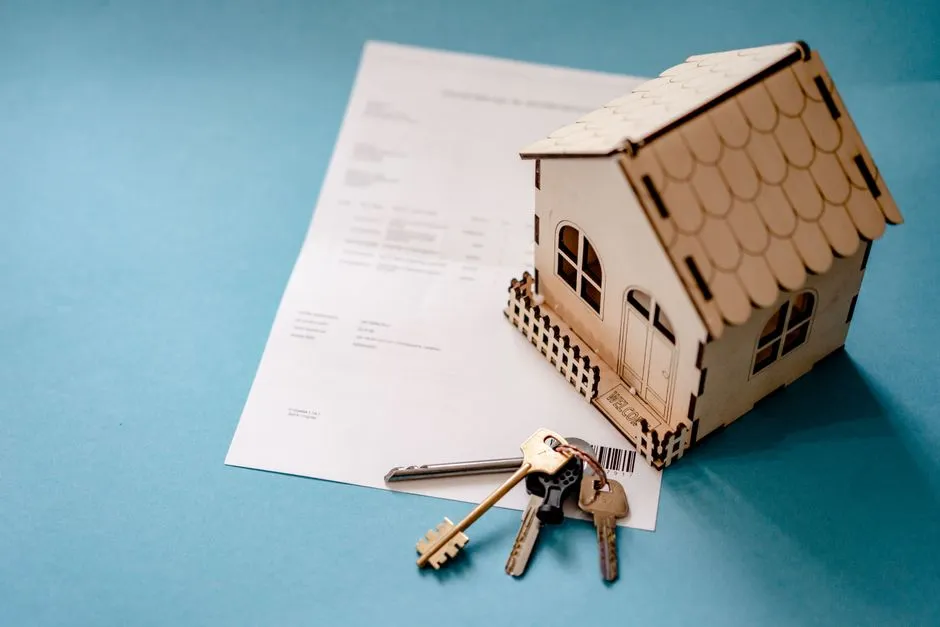

Putting your first-time landlord checklist into action
You do not need expensive software or an accountant on day one — you need a single place to record these seven things and the discipline to update it as you go. Track rent, deposits, expenses, leases, maintenance, your numbers and the rules, and being a first-time landlord becomes calm, organized and genuinely profitable.

Landlord & Rental Guides Writer, Tabserve
Selçuk writes RentFlow's landlord and rental-property guides — leases, tenant screening, rent increases and the numbers behind rental yield.