Packing Cubes vs Rolling Clothes: The Ultimate Carry-On Space Showdown
Contents
The Great Carry-On Debate: Packing Cubes vs Rolling Clothes
Every frequent flyer knows the anxiety of trying to fit a week's worth of wardrobe into a single overhead bin. As airlines tighten baggage restrictions, travelers are constantly searching for the most efficient way to organize their gear. This has sparked a fierce debate in the travel community: packing cubes vs rolling clothes. Which method actually saves more space, and how do they impact your bag's weight?
While both techniques have loyal followings, they solve different travel problems. To pack truly light and avoid expensive gate-checking fees, you need to understand the science behind how these methods utilize the limited volume of a standard carry-on bag.
Either way, both methods work as part of a broader europe packing checklist or trip packing list — the technique you choose changes how much fits, not what you should bring.
Understanding the Rolling Method (The Ranger Roll)
Rolling clothes, often referred to as military rolling or the "Ranger Roll," is a time-tested technique designed to maximize space and minimize fabric creases. Instead of folding garments flat, you fold them in half and roll them tightly into compact cylinders.
Why Rolling Works for Tight Spaces
Rolling clothes is highly effective because it squeezes the air out from between the layers of fabric. When you fold a shirt, air pockets naturally form between the folds, wasting valuable cubic inches. Rolling eliminates these pockets, allowing you to nestle items tightly against one another. It is particularly effective for soft, synthetic fabrics like polyester, nylon, and merino wool.
The Downsides of the Rolling Method
While rolling is excellent for space-saving, it does have limitations:
- Lack of structure: Once you pull one rolled shirt out of your bag, the surrounding rolls can quickly unravel, turning your organized suitcase into a chaotic jumble.
- Fabric limitations: Stiff fabrics, like heavy denim or structured linen, do not roll well and can actually take up more space when rolled compared to being folded flat.
The Science of Packing Cubes
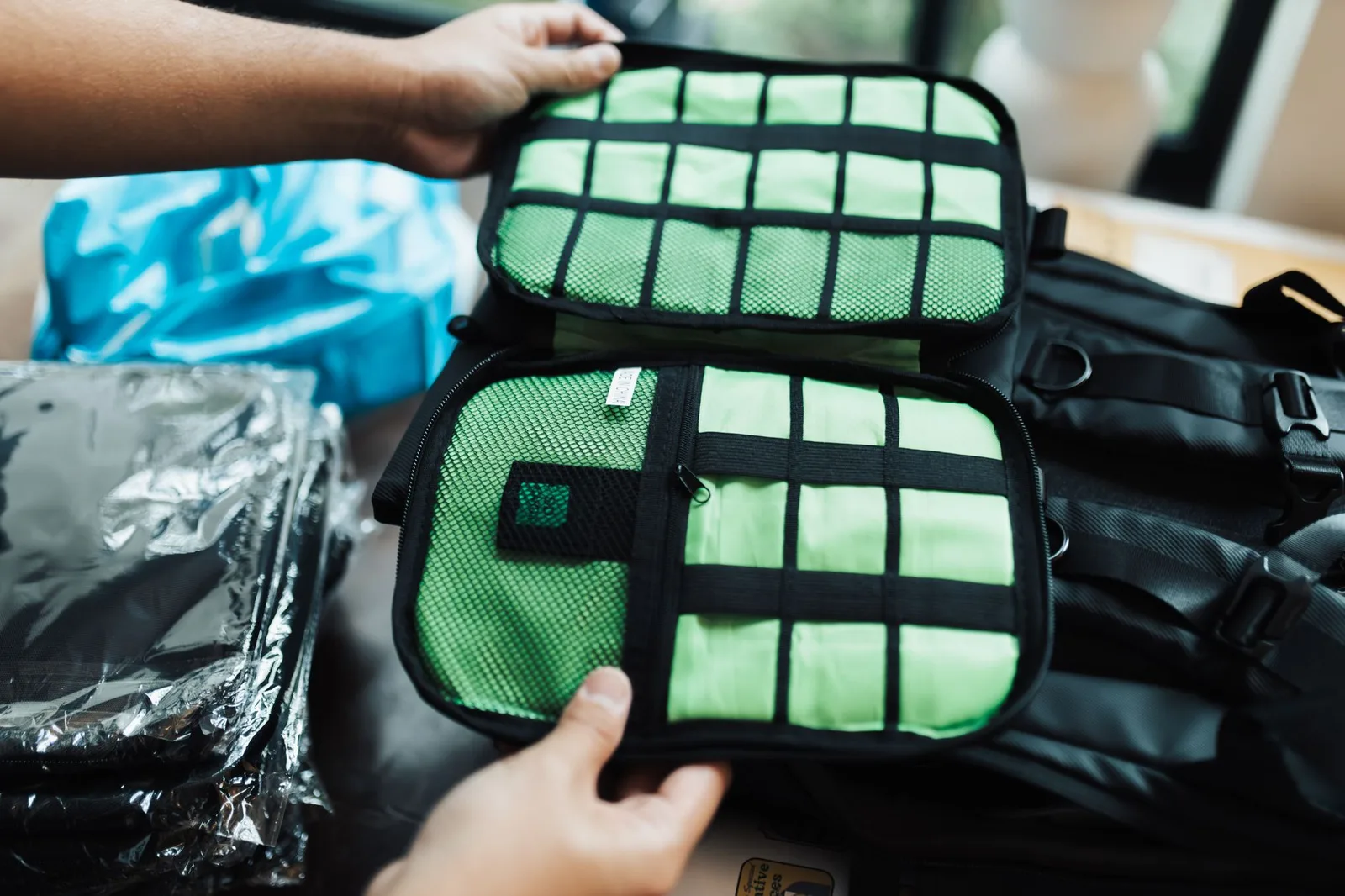
Packing cubes are zippered fabric containers, usually made of lightweight nylon or polyester, designed to compartmentalize your luggage. They come in various sizes and are used to group similar items together.
How Compression Cubes Differ from Regular Cubes
To understand the debate of packing cubes vs rolling clothes, we must distinguish between standard packing cubes and compression cubes. Standard cubes simply organize your gear. Compression cubes, however, feature a secondary zipper system that actively expels excess air, physically shrinking the volume of your stacked clothing.
The Pros and Cons of Packing Cubes
Packing cubes offer unparalleled organization. You can dedicate one cube to shirts, another to undergarments, and a third to dirty laundry. This makes unpacking at your destination as simple as lifting the cubes out of your suitcase and placing them directly into hotel drawers.
However, standard packing cubes do not actually reduce the physical volume of your clothes; they merely contain them. Additionally, the zippers, seams, and fabric of the cubes themselves add a small amount of weight to your bag.
OneBag builds a smart carry-on packing list for your exact trip and tracks your bag's weight against 80+ airlines' limits — so you never forget an essential or pay an overweight fee.
Direct Comparison: Which Saves More Space?
When comparing packing cubes vs rolling clothes purely on volume reduction, the winner depends entirely on your gear and your luggage type.
When to Choose Rolling
Rolling is the superior choice if you are traveling with a small backpack or an irregularly shaped duffel bag. Rolls can be tucked into corner crevices and empty spaces that structured, rectangular packing cubes cannot easily reach.
When to Choose Packing Cubes
Packing cubes win if you are using a standard hardshell suitcase. They act like drawers, maximizing the rectangular grid of your luggage. If you use compression cubes, they will compress bulky items like sweaters and jackets far better than manual rolling ever could.
The Weight Factor in Carry-On Travel
While saving space is crucial, carry-on weight limits are equally strict. Many international carriers, such as Lufthansa, enforce a strict 8kg (17.6 lbs) limit for cabin baggage. Packing cubes add tare weight to your luggage. If you are close to your airline's weight limit, rolling your clothes without cubes will save you those precious ounces.
A Quick Reference Guide
- Best for organization: Packing Cubes
- Best for tiny crevices: Rolling
- Best for wrinkle prevention: Rolling (for knits) / Folding (for button-downs)
- Best for heavy winter gear: Compression Cubes
The Hybrid Method: The Ultimate Travel Hack
You do not actually have to choose between packing cubes vs rolling clothes. In fact, the most experienced travelers combine both techniques into a hybrid system.
How to Implement the Hybrid System
To get the absolute most out of your carry-on space, roll your individual clothing items first, and then pack those tight rolls inside your packing cubes. This gives you the air-eliminating benefits of rolling combined with the structural organization and compression of packing cubes.
Place your rolled t-shirts, socks, and activewear inside a medium cube, and use the flat-folding method for structured items like blazers or dress shirts, placing them at the bottom of your suitcase. This hybrid approach keeps your bag perfectly organized, minimizes wrinkles, and ensures you fit the maximum amount of gear into your carry-on footprint.


Conclusion
In the debate of packing cubes vs rolling clothes, the hybrid method reigns supreme. Rolling eliminates air pockets within your garments, while compression cubes pack those garments into tight, manageable bricks. Whichever method you choose, always keep an eye on your airline's specific weight and size limits. By combining smart packing techniques with a digital packing assistant like the OneBag app, you can track your bag's weight in real-time and ensure you never face unexpected fees at the boarding gate.

Independent Full Stack Developer · Founder of Tabserve
Aycan builds and maintains Tabserve's apps — OneBag, Routevia and RentFlow — and writes practical, tested guides to help you pack smarter, travel better and manage rentals with less hassle.