Mastering Travel Toiletries Rules: The Ultimate Carry-On Packing Guide
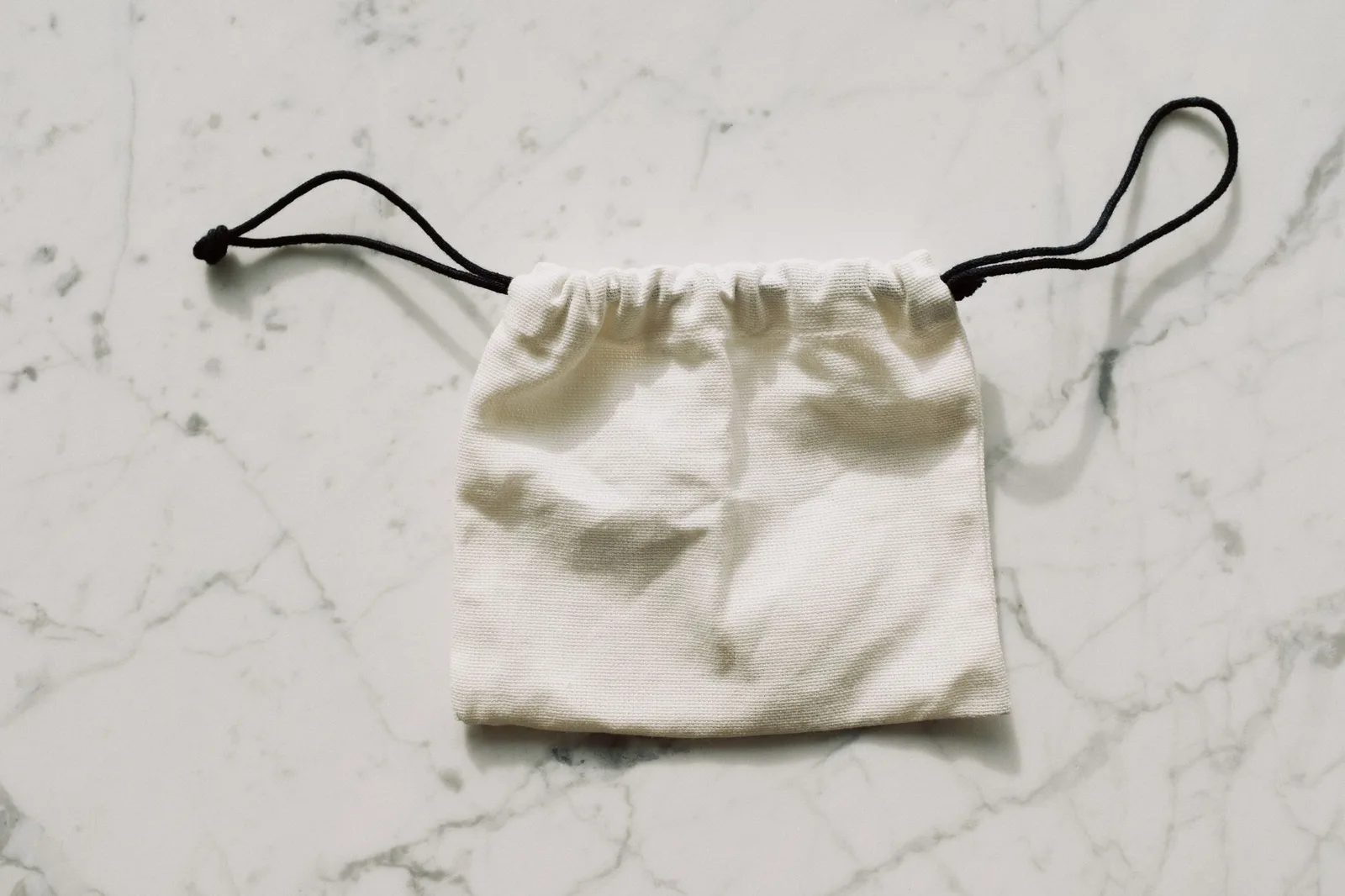
Navigating travel toiletries rules doesn't have to be stressful. To breeze through airport security, you must limit all liquids, gels, and aerosols to containers of 3.4 ounces (100ml) or less, all fitting inside a single, clear, one-quart bag. By understanding what counts as a liquid and packing a strategic carry-on kit, you can avoid having expensive products confiscated at the checkpoint.
Contents
Few things ruin the start of a vacation faster than watching a security officer toss your expensive skin creams into the airport trash bin. Navigating the complex web of travel toiletries rules can feel like solving a puzzle, especially when different countries and airlines seem to have their own interpretations of security standards. However, once you understand the underlying logic of aviation security, packing your toiletries becomes second nature.
Key Takeaways
- All liquids, gels, and aerosols must be in containers of 3.4 ounces (100ml) or smaller.
- Your containers must fit comfortably inside a single, transparent, one-quart-sized bag.
- Solid toiletries (like bar soap, stick deodorant, and tooth powder) are exempt from the liquid limits.
- Medications, baby formula, and breast milk are allowed in larger quantities but must be declared for inspection.
Whether you are a seasoned business traveler or planning your first international flight, mastering these regulations saves time, money, and stress. Let's break down the exact rules, look at how to build an efficient carry-on toiletry kit, and explore some clever ways to keep your luggage light and compliant.
Understanding the Core Travel Toiletries Rules
The gold standard for airport security is the "3-1-1 rule," established by the Transportation Security Administration (TSA) in the United States and mirrored by aviation authorities worldwide, including the European Union and Canada. This rule dictates exactly how much liquid you can bring in your cabin baggage.
The 3-1-1 Rule Broken Down
To ensure your bag passes through the X-ray machine without triggering a manual search, your liquids must meet three specific criteria:
- 3: Each liquid, gel, aerosol, cream, or paste must be in a container of 3.4 ounces (100 milliliters) or less.
- 1: All containers must fit inside one clear, plastic, quart-sized bag.
- 1: Only one bag per passenger is permitted in your carry-on luggage.
It is crucial to note that the rule applies to the container size, not the amount of liquid inside. If you have a 6-ounce tube of toothpaste that is nearly empty, security officers will still confiscate it because the bottle itself exceeds the 3.4-ounce limit.
What Actually Counts as a Liquid?
A common pitfall for travelers is failing to recognize what security agencies classify as a liquid. The general rule of thumb used by airport screeners is: "If you can pour it, pump it, squeeze it, spread it, smear it, spray it, or spill it, it is considered a liquid."
Common border-line items classified as liquids:
- Mascara, liquid eyeliner, and lip gloss
- Toothpaste and mouthwash
- Peanut butter, jam, and soft cheeses
- Aerosol hairsprays, dry shampoos, and deodorants
- Roll-on deodorants and liquid foundations
Comparing Toiletry Packing Strategies
When preparing your travel kit, you have several options for how to source and pack your items. Depending on your trip length and budget, different strategies will serve you better.
| Toiletry Strategy | Best Trip Length | Cost Level | Convenience | Best For |
|---|---|---|---|---|
| Pre-packaged travel sizes | Weekend trips | Premium | High | Last-minute packers | Refillable silicone bottles | 1 to 2 weeks | Budget | Medium | Eco-conscious travelers | Solid/Waterless alternatives | Indefinite travel | Mid-range | High | Minimalists & carry-on purists | Buying at destination | Over 2 weeks | Budget | Low | Long-term slow travel |
NEW — AI Snap & Check: photograph your packed bag and OneBag's AI instantly ticks off your items and warns you about missing essentials (passport, wallet, charger). Plus smart carry-on lists for your exact trip and bag-weight tracking for 80+ airlines — so you never forget a thing or pay an overweight fee.
How to Build the Perfect Carry-On Toiletry Kit
Building a compliant kit is about maximizing space while minimizing weight. Modern packing apps make this easier by tracking your gear weight, but having a solid physical strategy is just as vital.
Step 1: Choose the Right Toiletry Bag
While disposable ziplock bags work, they tear easily. Invest in a reusable, TSA-compliant clear TPU bag with a sturdy zipper. These bags are durable, easy to clean, and designed to meet the exact dimensions of a one-quart bag.
Step 2: Transition to Solid Toiletries
The easiest way to bypass strict travel toiletries rules is to remove liquids from your routine entirely. The cosmetics industry has made massive strides in solid formulations, allowing you to bypass the 3-1-1 bag entirely for many essentials.
Excellent solid alternatives to pack:
- Shampoo and Conditioner Bars: These concentrated bars last for dozens of washes and do not count toward your liquid limit.
- Solid Deodorant: Stick deodorants are classified as solids, whereas gel or aerosol versions must go in your liquids bag.
- Toothbrush Tablets: Chewable toothpaste tabs eliminate the need for messy, heavy tubes.
- Bar Soap: A classic option that can be cut into smaller pieces for short weekend trips.
Step 3: Decant and Label Your Liquids
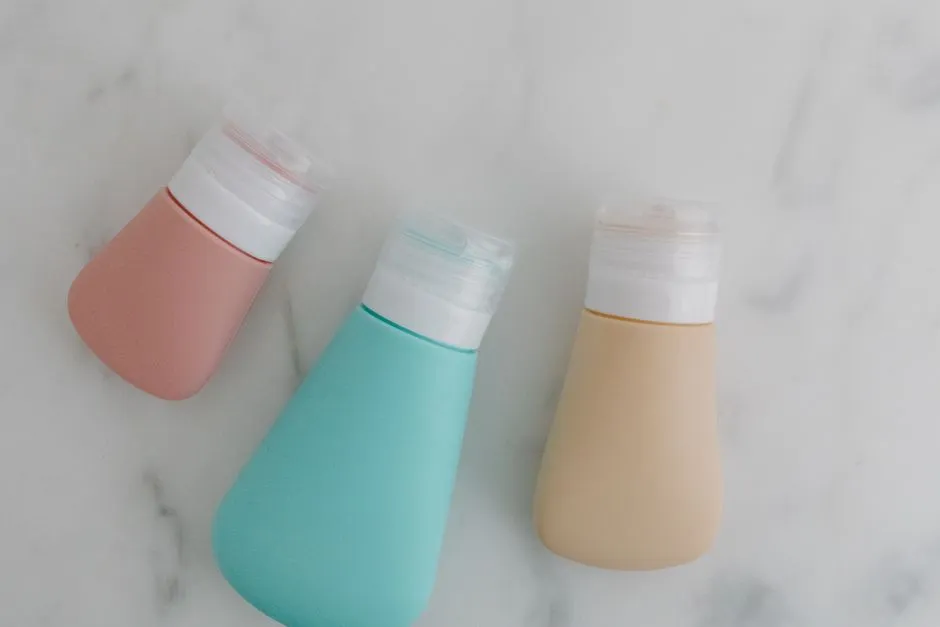
For the liquids you cannot live without—such as specific prescription face serums or custom hair oils—buy high-quality, leak-proof silicone travel bottles. Decant your products into these smaller containers, and use a label maker or waterproof marker to identify them. This prevents middle-of-the-night confusion in your hotel bathroom.
Common Mistakes to Avoid
Even experienced flyers occasionally slip up when packing their toiletries. Avoiding these common mistakes will save you time in the security queue:
- Leaving the liquids bag buried: Do not pack your clear toiletry bag at the bottom of your suitcase. Place it in an easily accessible outer pocket, as you will need to pull it out and place it in a bin at most airport security checkpoints.
- Packing oversized containers that are almost empty: As mentioned, a 200ml bottle with only 10ml of product left inside will still be confiscated. Transpose the liquid to a compliant bottle instead.
- Assuming prescription liquids must fit in the 3-1-1 bag: Medically necessary liquids, gels, and aerosols are allowed in reasonable quantities exceeding 3.4 ounces. However, you must declare them to officers at the start of the screening process, and they should be kept separate from your standard toiletries.
- Overpacking the quart bag: Your clear bag must be able to zip closed easily. If it is bursting at the seams or held together with tape, security officers may ask you to discard items until it closes comfortably.
- Forgetting about sharp grooming tools: Safety razors with removable blades are prohibited in carry-on luggage (though disposable razors and cartridges are allowed). Pack nail clippers and small grooming scissors with blades under 4 inches instead.
Frequently Asked Questions
What happens if my travel toiletries exceed the limit?
If your liquids exceed the 3.4-ounce limit or do not fit inside your single quart-sized bag, airport security will require you to discard them before passing through to the gates. Alternatively, if you have enough time, you can return to the check-in desk and pay to check your bag into the aircraft cargo hold.
Does toothpaste count as a liquid when flying?
Yes, toothpaste is classified as a paste, which falls under the liquids, gels, and aerosols category. It must be in a tube of 3.4 ounces (100ml) or less and must fit inside your clear, one-quart liquids bag along with your other liquid items.
Can I bring full-sized toiletries in my checked luggage?
Yes. The strict volume limits of the 3-1-1 rule only apply to carry-on baggage. You can pack full-sized shampoos, lotions, and sunscreens in your checked bags. Just ensure they are sealed tightly or placed in sealed plastic bags to prevent leaks caused by cabin pressure changes.
Are wet wipes and makeup remover wipes considered liquids?
No, wet wipes, baby wipes, and makeup remover wipes are not considered liquids by security agencies. You can pack as many of these in your carry-on as you like, and they do not need to go inside your clear, one-quart liquids bag.
Do prescription creams have to follow the 3-1-1 rule?
No, medically necessary creams, gels, and liquids are exempt from the 3-1-1 limit. You are allowed to bring them in larger quantities, but you must declare them to security officers for manual inspection. It is highly recommended to keep them in their original pharmacy packaging with your name clearly printed on the label.
Are solid stick deodorants counted as liquids?
Standard solid stick deodorants are not counted as liquids and can be packed anywhere in your carry-on luggage. However, gel deodorants, spray deodorants, and roll-on liquid deodorants are subject to the 3-1-1 rule and must be placed in your clear plastic bag.
Mastering travel toiletries rules is all about preparation and smart substitutions. By swapping out heavy liquids for solid alternatives, investing in a durable clear bag, and keeping your security-cleared items easily accessible, you can breeze through airport checkpoints with confidence. Keep your bags light, stay compliant, and enjoy a hassle-free journey to your next destination.

Independent Full Stack Developer · Founder of Tabserve
Aycan builds and maintains Tabserve's apps — OneBag, Routevia and RentFlow — and writes practical, tested guides to help you pack smarter, travel better and manage rentals with less hassle.