The Ultimate Ephesus Visiting Guide: Plan Your Perfect Ancient City Tour
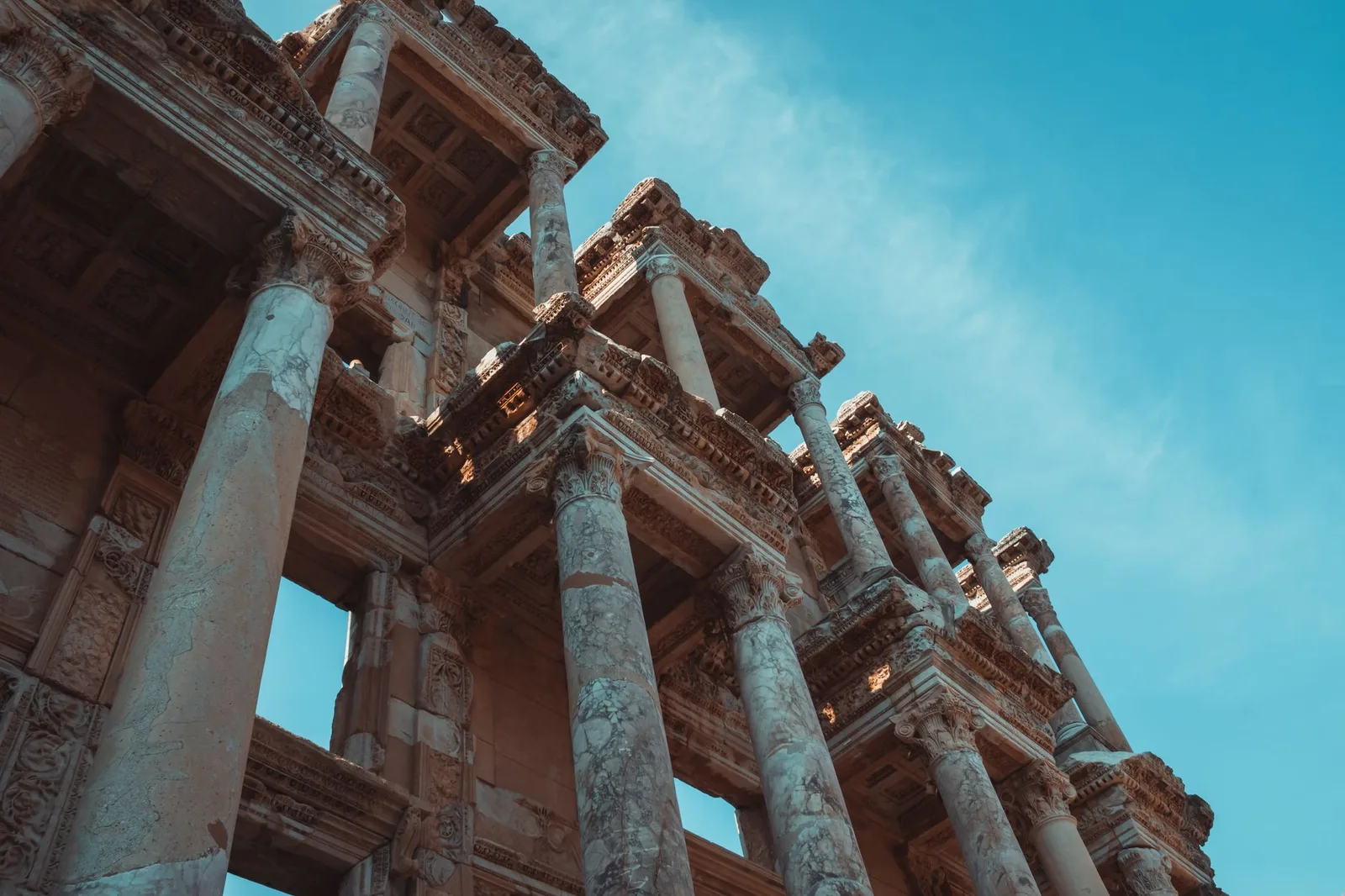
This comprehensive guide helps you navigate the ancient city of Ephesus without the typical tourist headaches. Learn how to choose between the Upper and Lower gates, time your visit to avoid cruise ship crowds, and explore key structures like the Library of Celsus and the Terrace Houses. With structured itineraries and practical transport tips, you can easily plan a seamless, self-guided archaeological adventure.
Contents
Ephesus is one of the most remarkably preserved Greco-Roman cities in the Eastern Mediterranean. Located near the modern town of Selçuk in western Turkey, this UNESCO World Heritage site attracts millions of visitors annually. Managing your logistics, timing, and walking route is essential to enjoying your visit rather than feeling overwhelmed by crowds and heat. This practical guide covers everything you need to know for a smooth, rewarding archaeological excursion.
Key Takeaways
- Start at the Upper (South) Gate and walk downhill to the Lower (North) Gate to save energy, or vice versa if you want to avoid tour group bottlenecks.
- Purchase a combined ticket that includes the Terrace Houses to see incredibly detailed, preserved Roman mosaics and frescoes.
- Visit before 09:30 AM or after 04:00 PM to bypass the massive tour groups arriving from Kusadasi cruise ports.
- Download a digital mapping tool or route planner to coordinate transport between Selçuk, the ruins, and nearby sites like the Temple of Artemis.
Understanding the Layout: Gates and Transport
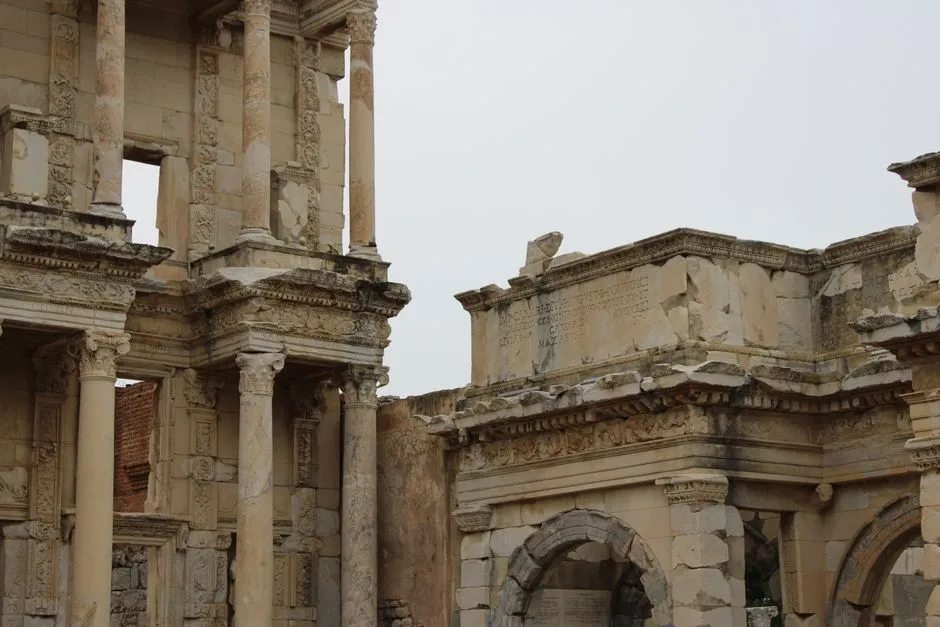
The archaeological site of Ephesus has two main entry points located about three kilometers apart: the Upper (South) Gate and the Lower (North) Gate. Deciding which gate to enter and exit is your most important logistical choice.
The Upper (South) Gate
Most organized tour buses drop visitors off at the Upper Gate. Entering here allows you to walk downhill along the ancient marble streets, ending your tour at the Lower Gate. This route requires less physical exertion, making it ideal for families, seniors, or hot summer days. However, because almost all tour groups follow this downhill path, it is often crowded.
The Lower (North) Gate
The Lower Gate is closer to the town of Selçuk and the main public transport drop-off points. Entering here means walking uphill toward the Upper Gate. While more physically demanding, this direction allows you to walk against the flow of the major tour groups, offering a slightly quieter experience at key monuments early in the morning.
How to Get to Ephesus
Ephesus is highly accessible from several major hubs in western Turkey:
- From Selçuk: Minibuses (dolmuş) depart every 10–15 minutes from the Selçuk Central Bus Station to the Lower Gate. The ride takes under ten minutes and is highly economical. Taxis are also readily available.
- From Izmir: You can take the Izban suburban train or a regional TCDD train from Izmir's Basmane Station to Selçuk, then transfer to a local minibus.
- From Kusadasi: Frequent minibuses run between the Kusadasi bus terminal and Selçuk. Alternatively, a direct taxi ride to the ruins takes roughly 25 minutes.
Key Attractions Within the Archaeological Site
Ephesus is much more than a single ruin; it is a sprawling urban complex. To appreciate the scale of Roman civic planning, focus your attention on these primary structures.
The Library of Celsus
Completed in the early 2nd century AD, the Library of Celsus is the iconic symbol of Ephesus. Built to store over 12,000 scrolls and serve as a monumental tomb for Tiberius Julius Celsus Polemaeanus, its reconstructed two-story facade is a masterpiece of Roman public architecture. The niches of the facade contain replicas of four statues representing wisdom (Sophia), knowledge (Episteme), intelligence (Ennoia), and virtue (Arete).
The Great Theater
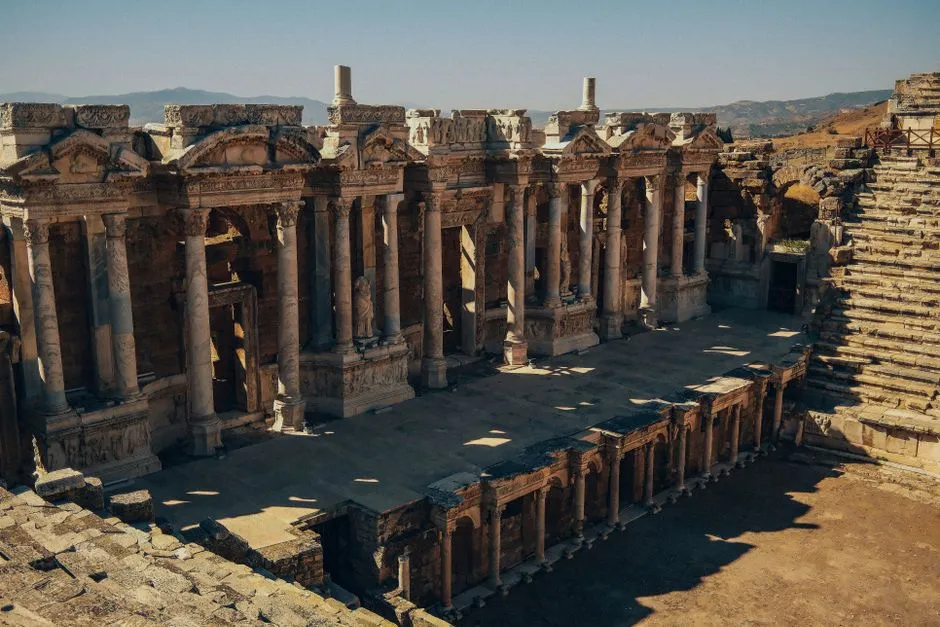
Nestled into the slope of Mt. Pion, the Great Theater could hold up to 25,000 spectators. Originally constructed in the Hellenistic period and expanded during the Roman era, it was used for drama, gladiatorial combats, and political assemblies. According to the New Testament Acts of the Apostles, this was the site of the protest against Saint Paul by the local silversmiths who feared his preaching would ruin their trade in shrines of Artemis.
The Terrace Houses (Yamaç Evler)
Located opposite the Temple of Hadrian, the Terrace Houses offer an intimate glimpse into the domestic lives of wealthy Ephesians. Protected under a modern protective roof, these multi-story residential villas feature remarkably preserved floor mosaics, colorful wall frescoes, and ancient heating systems. Access to this section requires an additional ticket, but it is highly recommended for anyone interested in daily Roman life.
The Curetes Street and Hadrian's Temple
Curetes Street is one of the three main avenues of Ephesus, running between the Hercules Gate and the Library of Celsus. Along this marble-paved street, you will pass the elegant Temple of Hadrian, the Fountain of Trajan, and ancient public latrines. Look closely at the paving stones to spot ancient inscriptions and decorative carvings.
Comparing Your Visiting Options
Depending on your budget, travel style, and available time, there are several ways to experience the ruins. Use the table below to compare the best options for your trip.
| Visiting Option | Time Needed | Cost Level | Best For |
|---|---|---|---|
| Independent Walk (Self-Guided) | 2 to 3 hours | Budget | Independent travelers, photographers, and budget-conscious visitors. |
| Official Audio Guide | 3 hours | Budget | Solo travelers wanting historical context without a group schedule. |
| Licensed Private Guide | 3 to 4 hours | Premium | Families, history enthusiasts, and those wanting deep historical insights. |
| Combined Selçuk & Ephesus Tour | Full Day (6–8 hours) | Mid-range | First-time visitors wanting to see Ephesus, Mary's House, and the Museum in one go. |
Routevia shows you the best places to visit across Türkiye city by city, then plans an AI-powered route in seconds.
Sample Itineraries
To make the most of your day, structure your visit carefully. These hour-by-hour plans help you maximize your time and avoid the worst of the midday heat.
1-Day Express Itinerary (Ephesus & Selçuk Highlights)
- 08:00 AM – 08:30 AM: Arrive at the Lower Gate. Buy your tickets (including the Terrace Houses add-on) and enter early to beat the crowds.
- 08:30 AM – 09:15 AM: Walk directly to the Great Theater and the Library of Celsus. Photographing these structures in the soft morning light is highly rewarding.
- 09:15 AM – 10:30 AM: Walk up Curetes Street and enter the Terrace Houses. Take your time exploring the covered residential complex.
- 10:30 AM – 11:30 AM: Continue uphill to see the Odeon, State Agora, and Prytaneion. Exit through the Upper Gate.
- 11:30 AM – 12:00 PM: Take a short taxi ride into Selçuk town center.
- 12:00 PM – 01:30 PM: Enjoy a traditional Turkish lunch (such as local çöp şiş) in Selçuk.
- 01:30 PM – 03:00 PM: Visit the Ephesus Archaeological Museum in Selçuk to see the original statues of Artemis and artifacts excavated from the site.
- 03:00 PM – 04:00 PM: Stop by the ruins of the Basilica of St. John and view the single remaining column of the Temple of Artemis.
2-Day Comprehensive Itinerary
Day 1: The Core Ruins and Museum
- 08:30 AM – 12:00 PM: Detailed exploration of the main Ephesus Archaeological Site from the Upper Gate to the Lower Gate, including the Terrace Houses.
- 12:30 PM – 02:00 PM: Lunch in Selçuk.
- 02:30 PM – 04:30 PM: Visit the Ephesus Archaeological Museum. Seeing the artifacts after touring the physical site helps put the ruins in context.
- 05:00 PM – 06:30 PM: Wander through the historic streets of Selçuk and view the Byzantine Aqueduct.
Day 2: Surrounding Historical Sites
- 09:00 AM – 10:30 AM: Visit the House of the Virgin Mary (Meryem Ana Evi), located on Mt. Koressos, roughly 9 km from Ephesus.
- 11:00 AM – 12:30 PM: Explore the Basilica of St. John and the Ayasuluk Castle in Selçuk.
- 01:00 PM – 03:00 PM: Drive or take a local minibus to the nearby historic hillside village of Şirince for lunch and fruit wine tasting.
- 03:30 PM – 04:30 PM: Return to Selçuk and make a final stop at the Temple of Artemis.
Best Photo & Sunset Spots
Capturing the scale and beauty of Ephesus requires good timing and an eye for perspective. Here are the top locations for photography:
- The Library of Celsus (Morning): Position yourself on the steps leading up to the library between 08:30 AM and 09:00 AM. The morning sun illuminates the facade directly, highlighting the intricate carvings.
- The Great Theater (Mid-Afternoon): Climb to the uppermost rows of the theater seating. From this elevated vantage point, you can capture the vast curve of the theater contrasted against the long, tree-lined Arcadian Way stretching toward the ancient harbor.
- Curetes Street (Late Afternoon): Shooting from the top of the street looking down toward the Library of Celsus around 04:30 PM offers beautiful long shadows and warm, golden light on the marble flagstones.
- The Temple of Artemis at Sunset: The actual archaeological site of Ephesus closes before sunset, but the nearby Temple of Artemis remains open. Photographing the single remaining column with the Ayasuluk Castle and Isabey Mosque in the background makes for an evocative sunset composition.
Common Mistakes to Avoid
- Skipping the Terrace Houses: Many travelers opt out of the extra admission fee for the Terrace Houses, missing the most vivid, detailed look at Roman life available at the site. Always buy the combined ticket.
- Visiting in the Middle of the Day: Between 11:00 AM and 03:00 PM, the site is packed with cruise ship excursions, and there is virtually no shade. Plan your visit for early morning or late afternoon.
- Wearing Inappropriate Footwear: The ancient marble streets are highly polished, uneven, and incredibly slippery. Avoid flip-flops or smooth-soled shoes; wear sturdy sneakers or hiking sandals with good grip.
- Underestimating Hydration: The stone ruins reflect heat, making the site feel significantly hotter than the surrounding area. Bring a refillable water bottle, a wide-brimmed hat, and high-SPF sunscreen, as there are no shops inside the archaeological zone once you pass the ticket gates.
- Not Planning Transport Back: If you exit through a different gate than you entered, you will need a plan to return to your vehicle or public transit. Taxis wait at both gates, but they can be expensive during peak exit hours.
Frequently Asked Questions
How much time do I need to visit Ephesus?
To see the main archaeological site thoroughly, including the Terrace Houses, you should allow at least 2.5 to 3 hours. If you also plan to visit the Ephesus Archaeological Museum, the Basilica of St. John, and the House of the Virgin Mary, you will need a full day.
Is Ephesus wheelchair accessible?
Ephesus is partially accessible, but it presents significant challenges. The marble paths are uneven, steep in sections, and can be very slippery. The Lower Gate area, including the Great Theater and the flat Arcadian Way, is easier to navigate than the steep incline of Curetes Street. The Terrace Houses are accessed via elevated metal stairways and are not wheelchair accessible.
Can I buy my tickets online in advance?
Yes, you can purchase digital tickets in advance through the official Turkish Ministry of Culture and Tourism portal. Buying tickets beforehand helps you bypass the ticket window queues, which can be exceptionally long when multiple tour buses arrive simultaneously.
What is the best time of year to visit Ephesus?
The best months to visit are April to May and October to November. During these shoulder seasons, temperatures are comfortable for walking, and the crowds are more manageable than during the scorching summer months of July and August.
How do I get from Ephesus to the House of the Virgin Mary?
There is no public public transportation running directly to the House of the Virgin Mary. To reach it, you will need to rent a car, hire a taxi from the Selçuk town center or the Ephesus exit gates, or join an organized day tour.
Are there places to eat inside the archaeological site?
There are no restaurants, cafes, or kiosks inside the actual ruins of Ephesus. Dining options, fresh juice stands, and souvenir shops are located exclusively outside the ticket barriers at both the Upper and Lower Gates.
With its grand monuments and deep historical layers, Ephesus is a highlight of any trip to Turkey. By choosing the right entry gate, timing your arrival to avoid the cruise ship rush, and securing your tickets to the Terrace Houses, you can enjoy an efficient and memorable self-guided walking tour through this ancient Roman metropolis.

Independent Full Stack Developer · Founder of Tabserve
Aycan builds and maintains Tabserve's apps — OneBag, Routevia and RentFlow — and writes practical, tested guides to help you pack smarter, travel better and manage rentals with less hassle.