Best Beaches in Türkiye: Ultimate Aegean and Mediterranean Coastal Guide
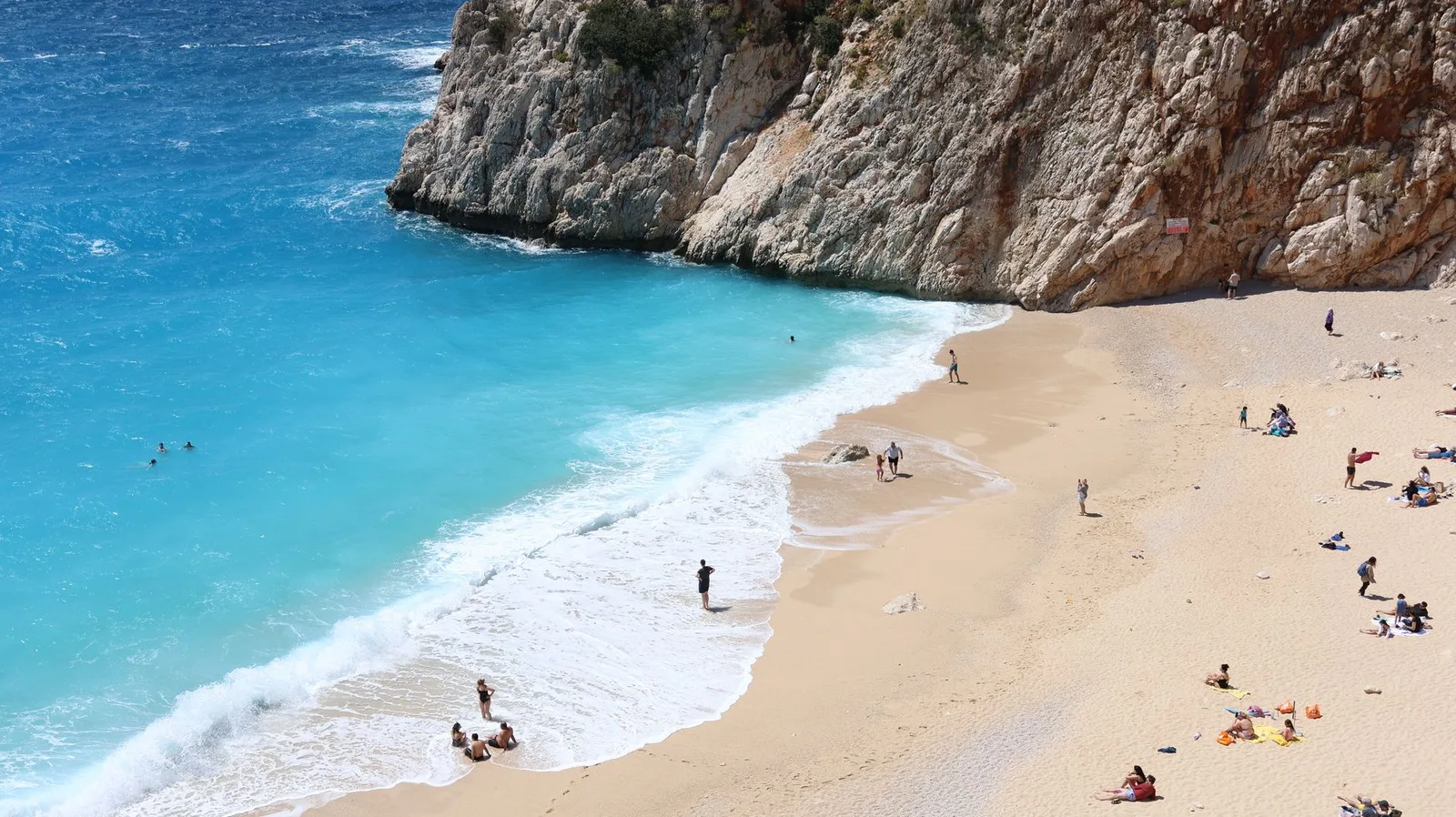
This guide highlights the best beaches in Türkiye across the Aegean and Mediterranean coasts, focusing on practical accessibility, crowd management, and facilities. We break down iconic spots like Kaputaş, Patara, and Ölüdeniz, alongside quieter alternatives like Kabak Bay. You will find actionable itineraries, transit details, and local tips to help you plan a seamless coastal journey without the typical tourist stressors.
Contents
Türkiye boasts over 8,000 kilometers of coastline, stretching across four distinct seas. The southwestern corridor, where the Aegean meets the Mediterranean, contains some of the most geologically diverse coastal stretches in Europe. From towering limestone cliffs that frame turquoise coves to expansive, wind-swept sand dunes bordering ancient Lycian ruins, the options cater to different travel styles. Knowing how to access these locations, when to visit to avoid crowds, and what facilities to expect is essential for a smooth coastal trip.
Key Takeaways
- Kaputaş Beach requires descending 187 steps and has highly limited parking; arrive before 09:00 to secure a spot.
- Patara Beach is an active loggerhead sea turtle nesting site, meaning it closes at 20:00 and prohibits beach umbrellas near the dunes.
- Public dolmuş minibuses run regularly from major hubs like Fethiye and Kaş, offering a reliable alternative to narrow coastal driving.
- The shoulder seasons of May–June and September–October provide warm sea temperatures with half the summer crowds.
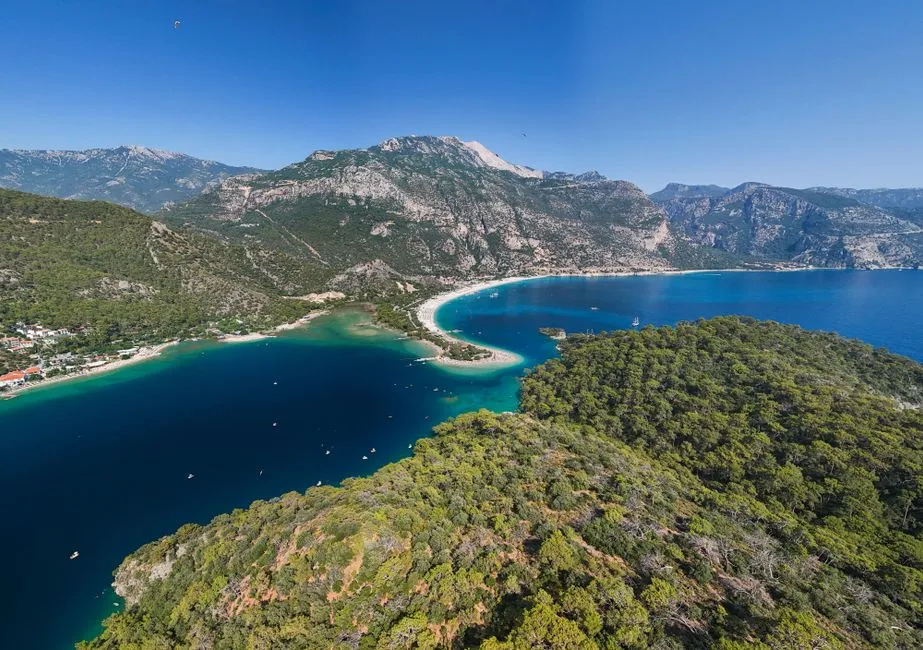
Comparing the Top Coastal Spots
To help you decide which coastal destinations align with your travel style, budget, and time constraints, the table below compares the primary locations featured in this guide.
| Beach Name | Time Needed | Cost Level | Best For |
|---|---|---|---|
| Kaputaş Beach | Half Day | Budget (Free entry, paid amenities) | Photography & swimming |
| Patara Beach | Full Day | Budget (Small archaeological site fee) | History buffs & long walks |
| Ölüdeniz Blue Lagoon | Full Day | Mid-range (Paid park entry & sunbeds) | Paragliding & calm waters |
| Kabak Bay | Full Day / Overnight | Budget (Transit costs only) | Nature lovers & hikers |
| Iztuzu Beach | Half Day | Budget (Boat transit fee) | Wildlife spotting & families |
The Best Beaches in Türkiye: Aegean Coast
Kabak Bay: The Wilderness Retreat
Located roughly 30 kilometers south of Fethiye, Kabak Bay is a deep, pine-forested canyon that opens up to a pebble-and-sand cove. Unlike highly developed resort areas, Kabak has retained a rustic character due to its restricted vehicular access. The beach is surrounded by steep cliffs, offering a sense of isolation.
How to Get There and Logistics
To reach Kabak, take a public dolmuş from the Fethiye central bus station to the village of Kabak. From the drop-off point at the top of the cliff, you must either hike down a steep, rocky trail for 30 minutes or board a local shuttle service operated by the village cooperative. The shuttle uses high-clearance 4x4 vehicles to navigate the switchbacks.
Facilities and Tips
Facilities on the beach are minimal. There are a few small, locally run cafes and campsites set back in the trees, but no massive beach clubs. Bring sturdy footwear if you plan to walk the trail, as loose gravel makes flip-flops dangerous. The surf here can have a strong undertow, so keep a close eye on children.
Iztuzu Beach: The Turtle Conservation Zone
Iztuzu Beach, situated near the town of Dalyan, is a 4.5-kilometer spit of golden sand that forms a natural barrier between the freshwater delta of the Dalyan River and the Mediterranean Sea. Famously known as "Turtle Beach," it serves as a critical nesting ground for endangered Loggerhead sea turtles (Caretta caretta).
Conservation Regulations
Because of its ecological importance, the beach is highly protected by researchers from Pamukkale University and international conservation groups. The beach is strictly closed to the public between 20:00 and 08:00 to allow turtles to lay eggs. Metal cages are placed over nests in the sand, and visitors must stay behind marked boundaries to avoid crushing the eggs.
The Best Beaches in Türkiye: Mediterranean Coast
Kaputaş Beach: The Dramatic Gorge
Nestled at the mouth of a deep canyon between the towns of Kaş and Kalkan, Kaputaş Beach is famous for its striking turquoise water, caused by cold freshwater springs mixing with the sea. The beach is composed of fine pebbles and sand, dropped dramatically below the coastal highway.
Patara Beach: Dunes and Ancient Ruins
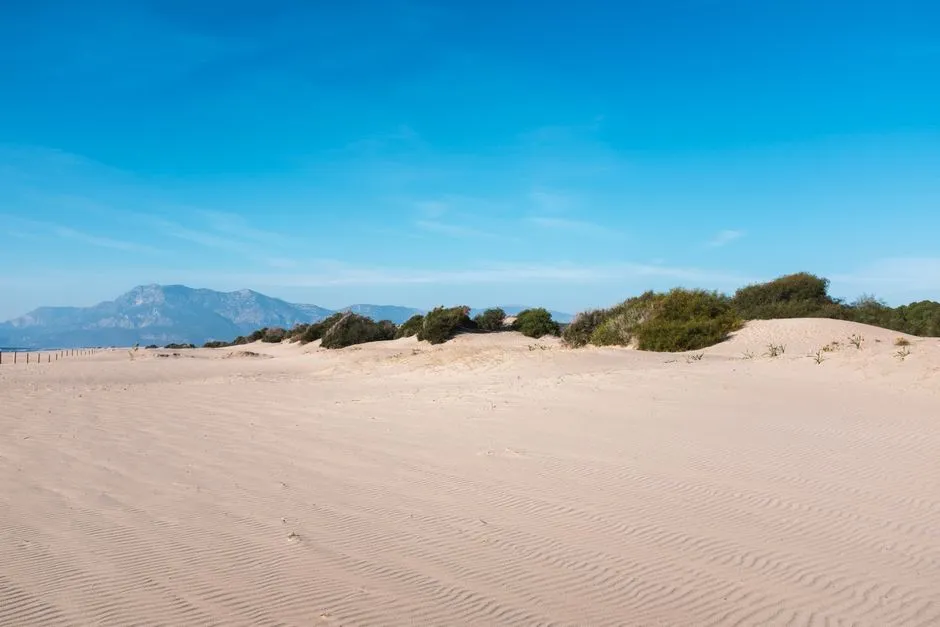
Patara is one of the longest continuous stretches of sand in the Mediterranean, spanning nearly 18 kilometers. Backed by rolling sand dunes that resemble a desert landscape, the beach sits adjacent to the ancient Lycian city of Patara, which boasts a restored parliament building and a grand ancient lighthouse.
Accessing the Beach and Ruins
Access to the beach is managed through the Patara Archaeological Site entrance. A single ticket grants access to both the ruins and the beach. From the parking lot, a wooden boardwalk leads visitors through the dunes to the shoreline. Because there are no natural windbreaks, Patara is prone to high winds and waves, making it highly popular for windsurfers but sometimes challenging for casual swimmers.
Routevia shows you the best places to visit across Türkiye city by city, then plans an AI-powered route in seconds.
Sample Itineraries
Maximize your coastal exploration with these structured, hour-by-hour itineraries designed to reduce travel friction.
1-Day Coastal Highlights Itinerary (Kaş to Kaputaş)
- 08:00 - 08:30: Drive or take the local dolmuş from Kaş harbor to Kaputaş Beach. Arriving early guarantees a parking spot along the narrow cliffside road.
- 08:30 - 11:30: Descend the 187 steps. Swim in the calm morning waters before the afternoon winds pick up and tour boats arrive.
- 11:30 - 12:30: Head back up the stairs and drive 15 minutes west to the town of Kalkan for lunch at a rooftop cafe overlooking the harbor.
- 13:00 - 17:00: Drive to Patara Beach. Spend the warm afternoon exploring the ancient Roman ruins, then walk the boardwalk to the sea for a dip.
- 17:00 - 19:00: Climb the Patara sand dunes to watch the sun sink below the horizon before the beach closes to protect the turtle nesting areas.
2-Day Fethiye and Ölüdeniz Explorer
Day 1: The Blue Lagoon and Babadağ Mountain
- 09:00 - 12:00: Arrive at the Ölüdeniz Tabiat Parkı (Nature Park). Rent a sunbed on the inner lagoon side where the water is shallow and completely flat.
- 12:30 - 14:00: Walk to the beachfront strip for lunch at a local Turkish pide house.
- 14:30 - 16:30: Take the Babadağ Teleferik (cable car) up to the 1,700-meter station to watch paragliders launch into the sky.
- 17:00 - 19:00: Enjoy a sunset drink at the mountain station restaurant before taking the cable car back down.
Day 2: The Dalyan Delta and Iztuzu
- 08:30 - 09:30: Drive from Fethiye to the river town of Dalyan.
- 10:00 - 12:00: Board a public riverboat down the reed-lined Dalyan delta, passing the ancient Lycian rock tombs carved into the cliffs.
- 12:00 - 15:30: Arrive at Iztuzu Beach. Spend the afternoon swimming on the sea side and visiting the Dekamer Sea Turtle Rescue Center at the southern end.
- 16:00 - 17:30: Return via riverboat to Dalyan for a quiet dinner by the river.
Best Photo & Sunset Spots
Capturing the coast of Türkiye requires knowing where to go and when the lighting is optimal. Here are the top locations for photography enthusiasts:
- Kaputaş Gorge Bridge (Morning, 08:30 - 09:30): Stand on the pedestrian walkway of the highway bridge looking down at the beach. The morning sun illuminates the turquoise water without casting shadows from the western canyon wall.
- Patara Sand Dunes (Sunset, 18:30 - 19:30): The high dunes located about 15 minutes walk from the main beach entrance provide an elevated view of the coastline with dramatic wind-swept ripples in the sand.
- Butterfly Valley Viewpoint (Late Afternoon, 16:00 - 17:30): Located on the road between Ölüdeniz and Faralya. Stand safely behind the barriers to capture the sheer 350-meter drop down to the beach below. Avoid this spot after dark as the road is unlit.
Common Mistakes to Avoid
- Assuming all beaches have sandy shores: Many Aegean and Mediterranean beaches, such as Kaputaş or Konyaaltı, consist of small pebbles. Walking barefoot can be painful; always pack a pair of durable water shoes.
- Arriving late to cliffside beaches: Parking at Kaputaş and Butterfly Valley is highly limited to roadside gravel shoulders. If you arrive after 10:00 in July or August, you may have to park over a kilometer away on a dangerous highway bend.
- Ignoring the afternoon wind patterns: Open beaches like Patara and Konyaaltı often experience strong onshore winds starting around 14:00. This creates choppy waters and blowing sand. Plan your swimming for the morning and your historical sightseeing for the afternoon.
- Disregarding turtle nesting warnings: Touching marked nests, leaving trash behind, or using bright white flashlights at night on protected beaches like Patara and Iztuzu can disturb nesting sea turtles and is subject to heavy government fines.
Frequently Asked Questions
What is the best time of year to visit the beaches in Türkiye?
The ideal period is from late May to early October. July and August are the hottest and most crowded months, with temperatures regularly exceeding 40°C (104°F). September offers warm sea temperatures, lower humidity, and significantly fewer tourists, making it the preferred month for experienced travelers.
Are public beaches in Türkiye free to enter?
Yes, public beaches (Halk Plajı) are free to access under Turkish law. However, if a beach is located within a national park or nature reserve, such as the Ölüdeniz Blue Lagoon or Patara, a small entry fee is required. Additionally, renting sunbeds and umbrellas from local municipalities or private operators is optional and paid.
How do I travel between the coastal towns without a rental car?
The regional public transport network relies on small minibuses called dolmuş. These run on fixed routes between major transport hubs like Fethiye, Kaş, and Bodrum to nearby beaches and villages. They are cheap, reliable, and run frequently during the summer season. For longer distances, intercity bus companies operate modern, air-conditioned coaches.
Are the beaches in southwestern Türkiye safe for families with young children?
Many beaches are highly suitable, but you must choose wisely. The inner lagoon of Ölüdeniz is shallow, warm, and free of waves, making it perfect for toddlers. On the other hand, Kaputaş Beach drops off deep very quickly, and Patara can have strong undercurrents, which may not be safe for weak swimmers.
Can you visit ancient ruins directly from the beaches?
Yes, this is one of the unique aspects of the Turkish coast. At Patara, the ancient Roman ruins are a short walk from the sand. Similarly, at Phaselis near Kemer, you can swim in three distinct ancient harbors right alongside Roman aqueducts, baths, and a theater shaded by pine trees.
Do I need cash at Turkish beaches?
While many established beach clubs and restaurants accept credit cards, it is highly recommended to carry Turkish Lira cash. Small dolmuş drivers, parking attendants, national park entry booths, and beach vendors selling water or snacks often do not have card terminals.
Finding the right balance between popular coastal hubs and quiet, natural retreats is the key to an optimal coastal vacation in Türkiye. By planning your transport options ahead of time, respecting local ecological rules, and timing your visits to avoid midday crowds, you can enjoy some of the cleanest and most geologically unique coastlines in the Mediterranean basin.

Independent Full Stack Developer · Founder of Tabserve
Aycan builds and maintains Tabserve's apps — OneBag, Routevia and RentFlow — and writes practical, tested guides to help you pack smarter, travel better and manage rentals with less hassle.