The Ultimate Carry-On Size Guide: Airline Dimensions, Rules, and Packing Strategies

This comprehensive carry-on size guide breaks down the strict cabin baggage dimensions and weight limits enforced by major domestic, international, and ultra-low-cost airlines. By understanding the standard 22 x 14 x 9-inch threshold and learning how to measure your bag accurately, you can avoid unexpected gate-checking fees. Discover actionable packing strategies, find your airline's specific requirements, and learn how smart digital tools can streamline your preparation.
Navigating the complex landscape of airline baggage policies can be one of the most stressful aspects of modern travel. A bag that fits perfectly in the overhead bin of a domestic mainline carrier might be rejected at the gate of an international budget airline, resulting in hefty, unexpected fees. To travel confidently, you need a reliable, data-backed carry-on size guide that demystifies these varying regulations.
This carry-on luggage size guide covers the exact carry-on bag dimensions, personal item size limits, and weight rules airlines actually enforce, plus how to measure your own bag before you fly.
Contents
- Key Takeaways
- Understanding the Standard Carry-On Size Guide
- Carry-On Dimensions by Airline Type
- Comprehensive Airline Carry-On Size Comparison
- The Critical Difference: Carry-On vs. Personal Item
- How to Measure Your Carry-On Bag Accurately
- The Impact of Weight Limits on Cabin Luggage
- Common Mistakes to Avoid
- Frequently Asked Questions
Key Takeaways
- The standard domestic U.S. carry-on size is 22 x 14 x 9 inches, but international and budget carriers often enforce smaller dimensions.
- Always measure your luggage including the wheels, top handles, and side pockets, as gate agents use sizing boxes that measure the absolute outer boundaries.
- Personal items must fit entirely under the seat in front of you, typically averaging around 18 x 14 x 8 inches.
- Weight limits are highly common on international and low-cost carriers, often capped strictly at 7 kg (15 lbs) to 10 kg (22 lbs).
- Utilizing digital packing assistants and structured packing methods can prevent your bag from bulging past legal dimensions.

Understanding the Standard Carry-On Size Guide
While there is no single, globally mandated size for cabin baggage, the aviation industry operates around a few loose standards. The International Air Transport Association (IATA) provides guidelines for cabin baggage, but individual airlines retain the authority to set their own precise limits based on aircraft cabin configurations and overhead bin dimensions.
The 22 x 14 x 9 Inch Benchmark
For travelers flying within the United States, the most common dimensional limit for a carry-on bag is 22 x 14 x 9 inches (56 x 36 x 23 cm). This standard is strictly enforced by major legacy carriers such as Delta Air Lines, United Airlines, and American Airlines. If your bag fits within these parameters, it will comfortably slide into the overhead bins of most mainline narrowbody and widebody aircraft, such as the Boeing 737 or Airbus A320 families.
Linear Inch Calculations
Some airlines express their baggage limits in "linear inches" or "linear centimeters" rather than three distinct dimensions. To calculate your bag's linear size, simply measure the length, width, and height (including wheels and handles) and add those numbers together.
Formula: Length + Width + Height = Linear Dimensions
The typical limit for domestic carry-on luggage is 45 linear inches (115 linear centimeters). If your bag measures 21 x 14 x 9 inches, its linear total is 44 inches, making it fully compliant.
Carry-On Dimensions by Airline Type
Baggage rules vary significantly depending on the business model of the airline you are flying. Legacy carriers generally offer more generous allowances, while ultra-low-cost carriers (ULCCs) monetize overhead bin space, enforcing smaller limits and charging fees for anything larger than a small personal item.
Major Domestic Legacy Carriers
U.S. legacy carriers design their rules to accommodate business travelers carrying standard rollaboard suitcases. On these airlines, a carry-on bag is typically included in the price of a standard economy ticket (with the notable exception of United Airlines' Basic Economy tier, which restricts passengers to a personal item only).
- Delta Air Lines: 22 x 14 x 9 inches. No maximum weight limit applies to most routes, provided you can lift the bag into the overhead bin unassisted.
- American Airlines: 22 x 14 x 9 inches. Soft-sided garment bags are also permitted if they fit within the 51 linear inch limit.
- United Airlines: 22 x 14 x 9 inches. Note that Basic Economy tickets do not include a carry-on bag; passengers must pay a gate-handling fee plus the standard checked bag fee if they bring a large carry-on to the gate.
Ultra-Low-Cost Carriers (ULCCs)
Airlines like Spirit, Frontier, and Allegiant operate on an unbundled pricing model. Your base fare includes only a small personal item that must fit beneath the seat in front of you. If you wish to use the overhead bin, you must purchase a carry-on bag allowance. Gate agents on these carriers are highly trained to spot oversized bags and will require you to place your luggage in a metal sizing box before boarding.
- Spirit Airlines: 22 x 18 x 10 inches for paid carry-on bags. Because Spirit allows a wider bag (18 inches) than legacy carriers, some standard 14-inch wide bags fit easily, but you must pay for the privilege.
- Frontier Airlines: 24 x 16 x 10 inches (including wheels and handles) for paid carry-on bags. The weight must not exceed 35 pounds.
- JetBlue Airways: 22 x 14 x 9 inches. Blue Basic (basic economy) fares do not include a carry-on bag, except on transatlantic routes.
International Carriers
When traveling overseas, do not assume U.S. standards apply. European, Asian, and Australian carriers often enforce slightly smaller dimensions and incredibly strict weight limits. The standard international limit is frequently 55 x 40 x 20 centimeters (approximately 21.6 x 15.7 x 7.8 inches). This depth limit of 20 cm (7.8 inches) is significantly narrower than the U.S. standard of 9 inches, meaning many American rollaboard bags will be rejected at international boarding gates.
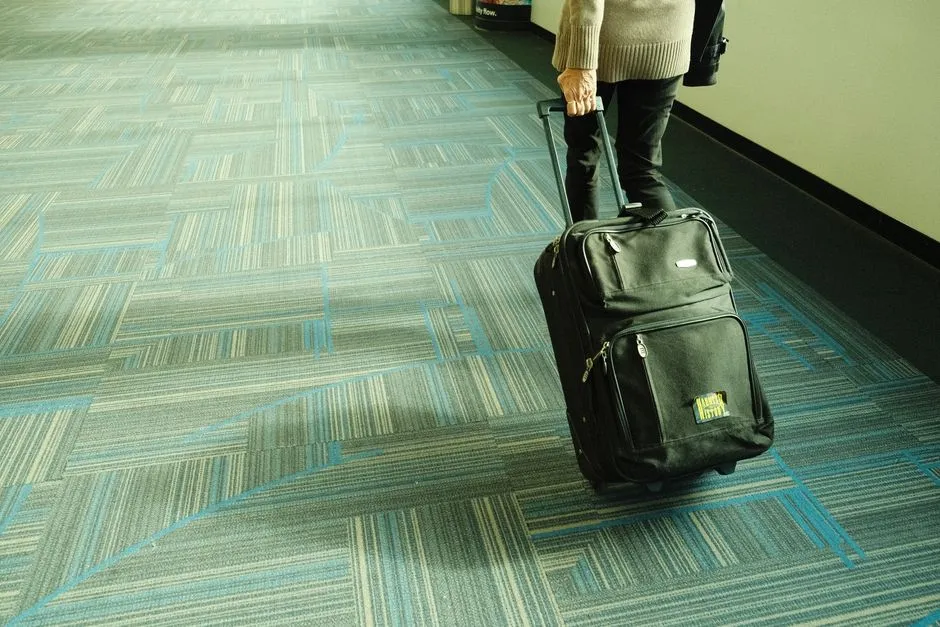
Comprehensive Airline Carry-On Size Comparison
To help you plan your next trip, the table below compares the carry-on allowances, weight limits, and fee categories for major global airlines. Always check your specific carrier's website before departing, as policies can update dynamically based on route and aircraft type.
| Airline Name | Max Dimensions (Inches) | Max Dimensions (cm) | Weight Limit | Fee Category |
|---|---|---|---|---|
| Delta Air Lines | 22 x 14 x 9 in | 56 x 36 x 23 cm | No Limit (most routes) | Included (except Basic) | American Airlines | 22 x 14 x 9 in | 56 x 36 x 23 cm | No Limit | Included |
| United Airlines | 22 x 14 x 9 in | 56 x 36 x 23 cm | No Limit | Fees for Basic Economy |
| Southwest Airlines | 24 x 16 x 10 in | 61 x 41 x 25 cm | No Limit | Included (2 bags free) |
| Ryanair | 21.6 x 15.7 x 7.8 in | 55 x 40 x 20 cm | 10 kg (22 lbs) | Paid (Priority required) |
| EasyJet | 22 x 17.7 x 9.8 in | 56 x 45 x 25 cm | 15 kg (33 lbs) | Paid (Upfront/Extra Legroom) |
| Lufthansa | 21.6 x 15.7 x 9 in | 55 x 40 x 23 cm | 8 kg (17.6 lbs) | Included (except Light fares) |
| Air France | 21.7 x 13.8 x 9.9 in | 55 x 35 x 25 cm | 12 kg (26.4 lbs) combined | Included |
The Critical Difference: Carry-On vs. Personal Item
Most airlines allow passengers to bring one cabin bag (carry-on) and one personal item. Distinguishing between these two categories is vital to avoid gate agent interventions and unexpected baggage charges.
What Qualifies as a Personal Item?
A personal item is a small bag that must fit completely underneath the passenger seat in front of you. Common examples include small backpacks, laptop bags, briefcases, purses, and tote bags. The standard size limit for a personal item on major domestic airlines is roughly 18 x 14 x 8 inches (45 x 35 x 20 cm). On budget carriers like Ryanair, the limit is smaller, typically 40 x 25 x 20 cm.
What Qualifies as a Carry-On?
A carry-on is a larger piece of luggage designed to be stowed in the overhead bin. This includes rolling suitcases, large duffel bags, and travel-specific backpacks. Because these items occupy shared overhead space, airlines strictly limit their physical dimensions and, frequently, their total weight.
How to Measure Your Carry-On Bag Accurately
Do not rely on the dimensions printed on your luggage tag when you bought the bag. Manufacturers often list "packing dimensions" (the internal capacity of the main compartment) rather than "external dimensions" (the absolute physical space the bag occupies).
Step-by-Step Measurement Guide
- Place the bag on a flat surface: Stand your empty or fully packed suitcase upright on a hard, level floor against a wall.
- Measure the Height: Run a tape measure from the floor to the absolute highest point of the bag. This must include the wheels in their fully extended position and the top carry handle (collapsed).
- Measure the Width: Measure across the widest part of the bag. Check if side handles, water bottle pockets, or external straps protrude past the main frame.
- Measure the Depth: Measure from the back of the suitcase to the front. Ensure you measure this while the bag is fully packed, as overstuffing can cause the front fabric to bulge outward by several inches.
The Sizing Box Test
Airport gate agents utilize metal sizing boxes to verify luggage compliance. If your suitcase cannot slide easily into the metal frame without excessive forcing, it is deemed oversized. A bag that is technically 22 inches tall but has wheels that stick out an extra 1.5 inches will fail the test and be sent to the cargo hold.
The Impact of Weight Limits on Cabin Luggage
While U.S. domestic airlines rarely weigh carry-on luggage, international carriers do so routinely. This is particularly true in Europe, Asia, and Oceania, where weight limits are strictly enforced to protect cabin crew safety and manage aircraft fuel efficiency.
Standard Weight Thresholds
The standard international carry-on weight limit ranges from 7 kg (15 lbs) to 10 kg (22 lbs). Some premium carriers allow up to 12 kg or 15 kg, but these are exceptions. A heavy, empty suitcase can weigh 3 to 4 kg on its own, leaving you with very little allowance for your actual belongings.
How to Avoid Weight Penalties
- Invest in lightweight luggage: Look for polycarbonate hardshells or high-density nylon soft-sided bags that weigh under 2.3 kg (5 lbs) when empty.
- Wear your heaviest items: Wear your bulky hiking boots, heavy winter coats, and dense sweaters onto the plane rather than packing them.
- Utilize your pockets: Transfer heavy electronics, power banks, and cameras into your jacket pockets during check-in and boarding.
Common Mistakes to Avoid
Even seasoned travelers make simple errors that result in forced gate-checking and unwanted fees. Avoid these common pitfalls to ensure a seamless airport experience:
- Assuming soft-sided bags are always compliant: Soft-sided suitcases are highly flexible, which encourages overpacking. When stuffed to capacity, the depth of a soft-sided bag can easily balloon from 9 inches to 11 or 12 inches, making it impossible to fit into airline sizing boxes.
- Forgetting to measure the wheels and handles: Luggage brands often market bags as "22-inch carry-ons" based solely on the fabric shell. Always measure the bag yourself from the floor to the top of the handle.
- Ignoring basic economy restrictions: Many travelers purchase cheap basic economy tickets without realizing these fares often exclude overhead bin access entirely. Always read the fine print of your fare class.
- Packing heavy liquids in cabin bags: The Transportation Security Administration (TSA) strictly enforces the 3-1-1 liquids rule. Any liquid, gel, or aerosol over 3.4 ounces (100ml) will be confiscated at the security checkpoint, regardless of your suitcase size.
- Failing to account for regional jets: If your journey involves a connection on a small regional jet (such as a CRJ or Embraer aircraft), the overhead bins will be significantly smaller. Even a standard, compliant 22-inch bag may need to be gate-checked (usually free of charge in these instances) because it physically cannot fit inside the cabin.
NEW — AI Snap & Check: photograph your packed bag and OneBag's AI instantly ticks off your items and warns you about missing essentials (passport, wallet, charger). Plus smart carry-on lists for your exact trip and bag-weight tracking for 80+ airlines — so you never forget a thing or pay an overweight fee.
Frequently Asked Questions
What happens if my carry-on bag is slightly over the size limit?
If your carry-on bag exceeds the official dimensions, the outcome depends heavily on the airline, the gate agent, and how crowded the flight is. On legacy carriers with spacious bins, minor infractions are often overlooked if the flight is not fully booked. However, on budget airlines or crowded flights, gate agents actively screen luggage using metal sizing boxes. If your bag does not fit, you will be forced to gate-check it, which typically incurs a fee significantly higher than checking a bag online in advance.
Do wheels count toward the official carry-on size limits?
Yes, wheels absolutely count toward the overall carry-on dimensions. Airlines measure the total physical space your luggage occupies in the overhead bin. When measuring your suitcase at home, always measure from the floor to the top of the collapsed handle. If you purchase a spinner suitcase with four multidirectional wheels, keep in mind that these wheels usually protrude further than the recessed wheels of a traditional two-wheeled rollaboard.
Can I bring a backpack and a rolling suitcase together on a plane?
On most standard economy tickets, yes. You are permitted to bring one rolling suitcase (stowed in the overhead bin) and one backpack (stowed under the seat in front of you as your personal item). However, you must ensure that your backpack fits within the airline's personal item dimensions and that your ticket tier actually includes a carry-on allowance, as basic economy fares on certain airlines restrict you to a personal item only.
Are soft-sided or hardsided carry-on bags better for meeting size rules?
Both styles have distinct advantages. Soft-sided bags are slightly compressible, allowing you to squeeze them into tight spaces or slightly tight sizing boxes if they are not overpacked. However, they are highly prone to bulging outward when stuffed. Hardsided bags have rigid outer shells that prevent you from overpacking past the bag's physical limits, ensuring the dimensions remain constant. The downside is that hardsided bags cannot compress at all if an overhead bin is unusually shallow.
How do international carry-on size standards differ from US domestic standards?
International carry-on standards are generally stricter than domestic U.S. rules. While U.S. carriers typically allow bags up to 22 x 14 x 9 inches with no weight limits, international airlines often restrict bags to 55 x 40 x 20 cm (approximately 21.6 x 15.7 x 7.8 inches) and enforce strict weight limits ranging from 7 kg to 10 kg. If you travel internationally with a standard U.S. domestic bag, you run a high risk of being forced to check it at the gate.
What should I do if the overhead bins are completely full when I board?
On full flights, airlines often run out of overhead bin space before the final boarding groups get on the plane. If this happens, the gate agents or cabin crew will require you to "gate-check" your carry-on bag. They will place a tag on your bag and send it down to the cargo hold. On legacy airlines, this service is provided free of charge. Remember to quickly remove essential valuables, medications, lithium batteries, and your passport before handing your bag to the flight crew.
By understanding the nuances of airline size thresholds, measuring your luggage accurately, and selecting the right gear, you can eliminate airport anxiety and avoid costly gate fees. Pair this carry-on size guide with intelligent packing habits, and you will be fully prepared to navigate any airport terminal in the world with ease.

Independent Full Stack Developer · Founder of Tabserve
Aycan builds and maintains Tabserve's apps — OneBag, Routevia and RentFlow — and writes practical, tested guides to help you pack smarter, travel better and manage rentals with less hassle.