Best Places to Visit on the Turkish Coast: The Ultimate Road Trip Guide
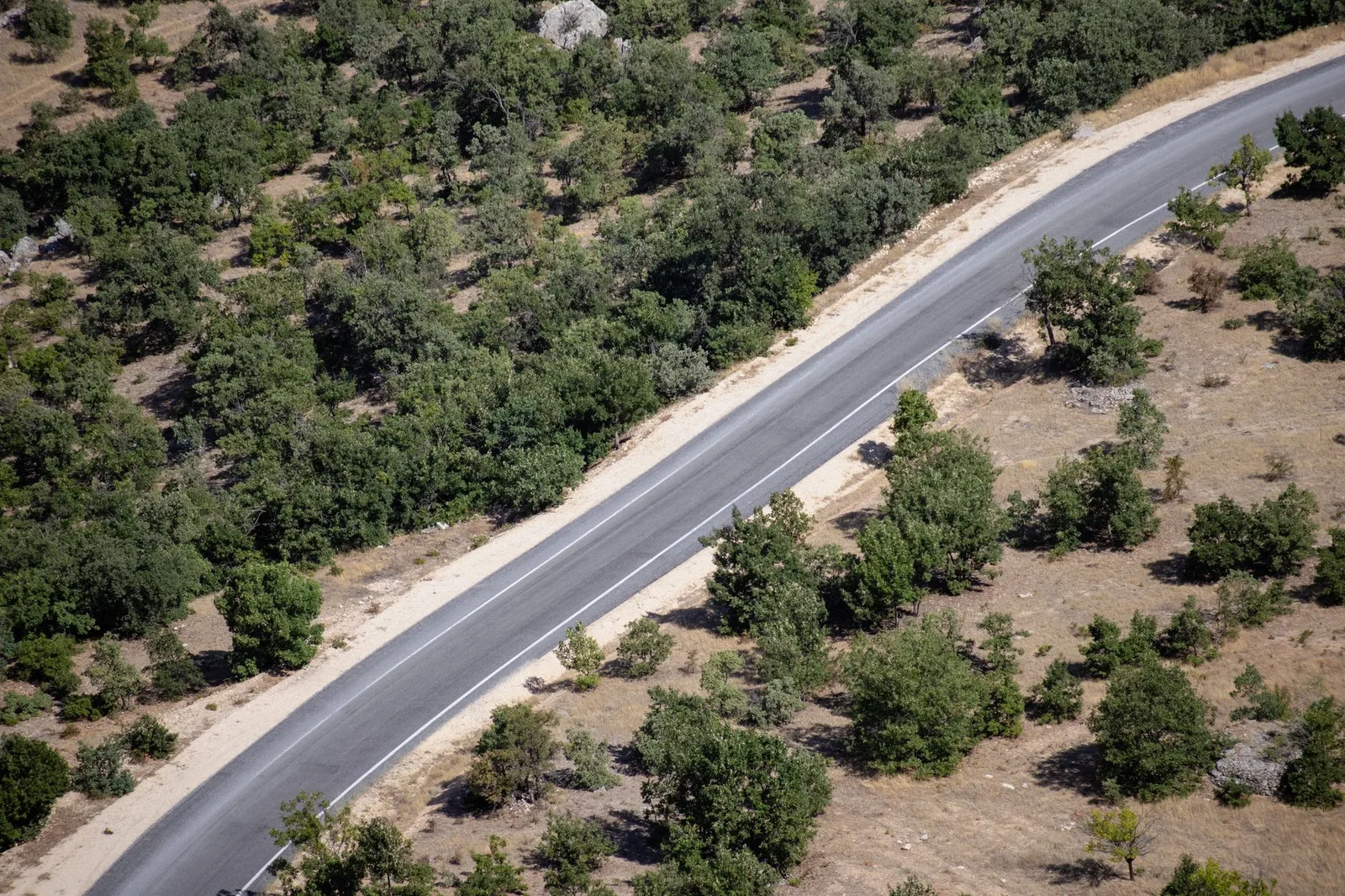
This comprehensive guide details the absolute best places to visit on the Turkish coast via an optimized road trip route. Stretching from the olive-clad Aegean shores down to the dramatic cliffs of the Mediterranean, we outline exact driving times, logistics, and historical sites. Discover how to avoid major tourist traps, navigate local highways, and structure your itinerary for an efficient coastal adventure.
Contents
Turkey’s coastline stretches over 8,000 kilometers, offering a dramatic transition from the pine-forested bays of the North Aegean to the towering limestone cliffs of the Lycian South. Driving this region reveals a complex history where Lycian, Greek, Roman, and Ottoman ruins sit directly alongside modern harbor towns. To truly experience the region, a road trip provides the flexibility to bypass crowded tour bus schedules and access secluded coastal pockets that public transport cannot reach.
Key Takeaways
- Focus your route on either the Aegean (Izmir to Bodrum) or the Mediterranean (Fethiye to Antalya) if you have fewer than 10 days.
- Rent a medium-sized vehicle to navigate narrow, steep historic town centers like those in Kas and Kalekoy.
- Prioritize early morning visits (before 09:00) for major archaeological sites like Ephesus and Patara to avoid midday heat and tour groups.
- Use local high-speed roads (D400 and D550) for fast transit, but take scenic coastal detours for panoramic views.
Structuring Your Turkish Coastal Road Trip
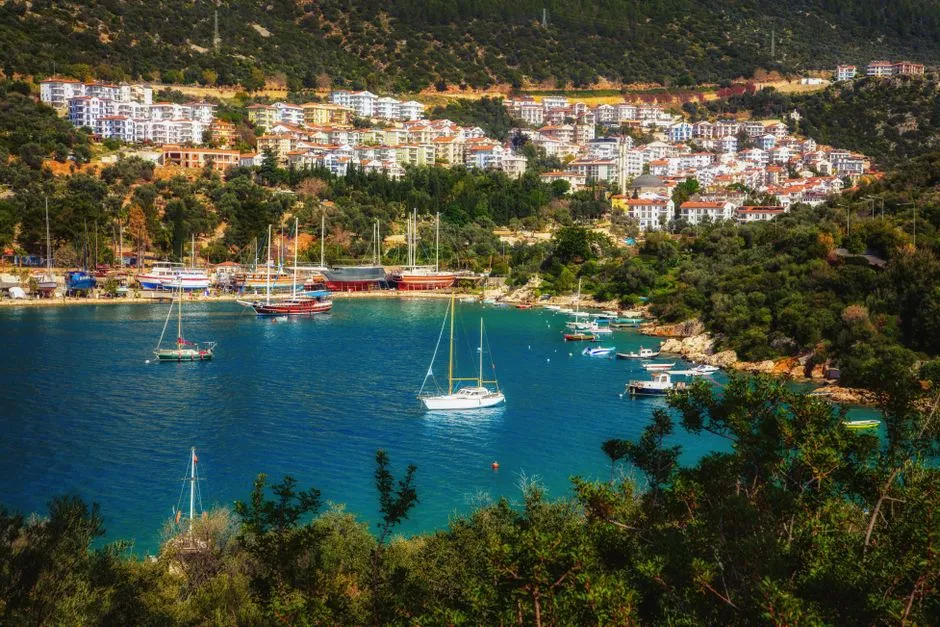
When planning your journey along the Turkish littoral, the biggest mistake is trying to cover too much ground in a single week. The coastline is naturally divided into two distinct zones: the Aegean Coast (characterized by olive groves, classical Greek history, and cooler waters) and the Mediterranean Coast (known as the Turquoise Coast, featuring dramatic pine-clad mountains, warm waters, and Lycian rock-cut tombs). Connecting these two zones requires a drive of at least 800 kilometers, which is best split into a 10-to-14-day itinerary.
Choosing Your Arrival and Departure Hubs
For a seamless point-to-point road trip, avoid booking a round-trip flight from the same airport. Instead, opt for open-jaw flights. If you are focusing on the Aegean sector, fly into Izmir Adnan Menderes Airport (ADB) and depart from Milas-Bodrum Airport (BJV). For the Mediterranean sector, fly into Dalaman Airport (DLM) and depart from Antalya Airport (AYT). Most international car rental agencies permit one-way rentals between these hubs for an additional drop-off fee, which is highly recommended to save driving time.
The Essential Coastal Stops: North to South
To help you select the best places to visit on the Turkish coast, we have broken down the primary coastal regions chronologically from north to south, highlighting key logistics, parking conditions, and historical contexts for each major stop.
1. The Izmir Peninsula and Alacati
The Cesme Peninsula, jutting out into the Aegean Sea west of Izmir, serves as the traditional starting point for northern coastal journeys. Alacati, a former Greek settlement dating back to the 19th century, is famous for its stone architecture, windsurfing bays, and preserved windmills.
Logistics and Practical Tips
- Parking: The historic center of Alacati is completely pedestrianized. Park in the designated paid municipal lots (marked as "Otopark") on the periphery of the town, specifically near the Alacati Market area.
- Best Time to Visit: Arrive between 08:30 and 10:00. The town is quiet, allowing you to photograph the stone houses without the afternoon crowds that arrive from Izmir.
- Windsurfing at the Bay: If you are interested in active sports, head 4 kilometers south to Alacati Port, which features shallow waters and consistent wind conditions ideal for windsurfing and kitesurfing.
2. Ephesus and the Selcuk District
While located slightly inland (approximately 6 kilometers from the coast), Ephesus is an indispensable stop on any Aegean road trip. As one of the most complete Roman cities in the Mediterranean basin, it provides vital historical context for the entire region.
Navigating the Site
Ephesus has two entrances: the Upper (South) Gate and the Lower (North) Gate. If you are driving yourself, park at the Lower Gate. Hire a local licensed guide at the entrance or use a detailed audio guide to understand the significance of the Celsus Library, the Terrace Houses, and the massive Great Theater. The Terrace Houses require an additional admission ticket, but they are highly recommended as they display exceptionally preserved Roman mosaics and wall frescoes under a protective canopy.
3. The Bodrum Peninsula
Bodrum, ancient Halicarnassus, marks the transition point between the Aegean and Mediterranean seas. The peninsula offers a mix of high-end yacht marinas, historic fortifications, and traditional whitewashed stone houses decorated with purple bougainvillea.
Key Sights in Bodrum
- Bodrum Castle (Castle of St. Peter): Built by the Knights Hospitaller in the 15th century, this castle houses the Museum of Underwater Archaeology. Allow at least 2.5 hours to explore the shipwreck exhibitions, including the famous Uluburun wreck dating from the Late Bronze Age.
- The Mausoleum at Halicarnassus: Visit the foundations of one of the Seven Wonders of the Ancient World. While much of the stone was repurposed to build the castle, the site offers excellent scale models and historical plaques.
- Gumusluk: Located on the western tip of the peninsula, this quiet fishing village is built over the sunken ruins of the ancient city of Myndos. You can wade through shallow water to Rabbit Island or dine at waterfront fish restaurants.
4. Fethiye and the Blue Lagoon of Oludeniz
Moving south into the Mediterranean region, Fethiye sits on a protected harbor surrounded by pine forests. It serves as the western terminus of the famous Lycian Way, a 540-kilometer marked trekking trail that winds along the coast to Antalya. For detailed maps of the region's historical trails, you can consult the Wikipedia Lycian Way Guide.
Managing Your Visit to Oludeniz
The Blue Lagoon of Oludeniz is one of the most photographed beaches in Turkey, but it can suffer from severe overcrowding in the summer months. To enjoy it safely and peacefully:
- Enter the Kumburnu National Park section of the lagoon, which has restricted vehicle access and cleaner facilities than the public beach strip.
- Avoid visiting between 11:00 and 15:00 when tour boats drop off day-trippers.
- Consider a tandem paragliding flight from the summit of Mount Babadag (1,969 meters) down to the beach for an aerial view of the lagoon's unique sand spit.
5. Kas: The Heart of the Lycian Coast
Kas is a bohemian harbor town that has successfully resisted large-scale resort development due to its steep topography. It is characterized by narrow streets, historic Greek houses with wooden balconies, and close proximity to ancient Lycian ruins.
Exploring the Surrounding Area
From Kas, you can easily visit the Kaputas Beach, a dramatic cove located at the mouth of a gorge 20 kilometers west of the town. Park along the cliffside road (D400) early in the morning to secure a spot, and walk down the 187 steps to the pebble beach. Alternatively, take a daily boat trip from Kas harbor to the sunken ruins of Kekova Island, where you can view submerged Roman foundations and Lycian sarcophagi through clear waters.
Comparative Overview of Coastal Destinations
To help you decide where to spend your overnight stops, this table compares the primary coastal hubs along the route:
| Destination Name | Time Needed | Cost Level | Best For | Key Highlight |
|---|---|---|---|---|
| Alacati | 1 Day | Premium | Cafes & Windsurfing | Historic stone architecture |
| Selcuk (Ephesus) | 1 Day | Mid-range | Archaeology | The Celsus Library |
| Bodrum | 2 Days | Premium | History & Yachting | Castle of St. Peter |
| Fethiye | 2-3 Days | Budget-friendly | Adventure Sports | Oludeniz paragliding |
| Kas | 3 Days | Mid-range | Relaxation & Diving | Kekova sunken city ruins |
| Cirali / Olympos | 2 Days | Budget-friendly | Nature & Hiking | Chimaera eternal flames |
Routevia shows you the best places to visit across Türkiye city by city, then plans an AI-powered route in seconds.
Sample Itineraries
Maximize your time on the coast with these detailed, hour-by-hour itineraries designed for a rental car traveler.
1-Day Western Lycian Coast Highlight (Fethiye to Kas)
- 08:00 - 09:00: Drive from Fethiye to the abandoned Greek village of Kayakoy (Ghost Town). Walk the empty stone streets before the sun gets too hot.
- 09:30 - 11:30: Drive south along the scenic coastal highway D400 toward Kalkan. Stop briefly at the viewpoint overlooking the town.
- 11:45 - 13:00: Arrive at Kaputas Beach. Swim in the turquoise water and grab a light lunch at the municipal beach cafe.
- 13:30 - 15:30: Arrive in Kas. Check into your guesthouse and walk to the Antiphellos Ancient Theater on the edge of the town center.
- 16:00 - 18:30: Rent a sea kayak or take a water taxi to Limanagzi bay for a quiet swim.
- 19:30 onward: Dine at a traditional meyhane in the historic center of Kas.
2-Day Central Lycian and Antiquity Route
Day 1: Ancient Ruins and Secluded Bays
- 08:30 - 11:00: Drive from Kas to the ancient city of Patara. Explore the restored Roman parliament building (Bouleuterion) and the ancient lighthouse.
- 11:00 - 12:30: Walk over the massive sand dunes of Patara Beach, which serve as a nesting ground for Loggerhead sea turtles (Caretta caretta).
- 13:00 - 15:00: Drive to Demre (ancient Myra). Visit the Lycian rock tombs carved directly into the cliff face and the ancient Roman theater.
- 15:30 - 17:30: Visit the Church of St. Nicholas in Demre to view the historic frescoes and sarcophagus.
- 18:00: Drive to Cirali and check into a local wooden bungalow guesthouse.
Day 2: Eternal Flames and Coastal Hikes
- 08:00 - 10:30: Walk along the quiet pebble beach of Cirali to the ruins of Olympos, an ancient Lycian city overgrown with wild laurel trees.
- 11:00 - 14:00: Relax on Cirali Beach. Enjoy a traditional Turkish gözleme (savory flatbread) at a beachfront cafe.
- 15:00 - 17:30: Take a short drive to the trailhead of Mount Chimaera (Yanartas). Hike 1 kilometer uphill to see the natural burning gas vents that have burned for millennia.
- 18:30 - 20:00: Watch the sunset from the beach with the outline of Mount Olympos (Tahtali) in the background.
Best Photo & Sunset Spots
Capturing the scale of the Turkish coast requires knowing exactly where to stand and when. Here are the top five spots for photography:
1. Antiphellos Theater (Kas)
This ancient Greek theater faces directly out toward the Mediterranean Sea and the Greek island of Kastellorizo (Meis). For the best lighting, arrive 30 minutes before sunset. The limestone seats glow orange, and you can frame the sea directly through the ancient stage area.
2. The Windmills of Alacati
These stone windmills sit on a hill overlooking the town of Alacati. Visit during the "golden hour" just before sunset. Frame your shots looking west toward the Aegean Sea to capture the silhouettes of the historic sails against the colorful sky.
3. Babadag Mountain Viewpoint (Oludeniz)
Take the modern cable car (teleferik) to the 1700-meter station of Mount Babadag. The view from the outdoor viewing platforms offers a vertical perspective of the Blue Lagoon and the surrounding pine forests. The best photography window is late afternoon when the sun highlights the crescent shape of the beach below.
4. Simena Castle (Kalekoy)
Accessible only by boat or a steep foot trail from Ucagiz, the medieval castle of Simena offers a panoramic view of the Kekova region. Photograph the Lycian sarcophagi rising out of the shallow water below the castle walls. Mid-morning light is ideal here to reveal the underwater ruins clearly.
Common Mistakes to Avoid
- Driving at Night: While the major D400 and D550 highways are well-paved and illuminated, secondary coastal roads are winding, lack guardrails, and frequently have wandering livestock or slow-moving agricultural vehicles. Plan your drives to conclude before dusk.
- Underestimating Tolls and High-Speed Road Requirements: Turkey uses an electronic toll system called HGS. Ensure your rental car has an active HGS sticker on the windshield before leaving the depot, or you may face heavy fines when crossing major bridges or using private highways.
- Visiting Archaeological Sites at Midday: Sites like Ephesus, Patara, and Myra have almost no shade. Walking these open-air stone ruins during the peak heat of summer (12:00 to 15:00) can lead to heat exhaustion. Always carry at least 1.5 liters of water per person and wear a wide-brimmed hat.
- Forgetting Cash for Rural Areas: While credit cards are widely accepted in major towns like Bodrum and Fethiye, small village parking lots, fruit stands, and rural national park entrances often only accept cash in Turkish Lira (TRY). Keep a stash of small-denomination banknotes in your glove compartment.
Frequently Asked Questions
What is the best month to visit the Turkish coast?
The best months to visit the Turkish coast are May, June, September, and October. During these shoulder seasons, the weather is warm enough for swimming, but you avoid the intense heat of July and August, which regularly exceeds 40 degrees Celsius. Additionally, accommodation prices are lower, and the major archaeological sites are much less crowded.
Can I drive along the Turkish coast with a standard driver's license?
Yes, tourists can drive in Turkey using a valid national driver's license for up to six months. However, if your license is not written in the Latin alphabet (for example, in Arabic, Cyrillic, or Chinese characters), you must obtain an International Driving Permit (IDP) before your trip. It is also wise to carry your passport and rental agreement in the car at all times.
Are the roads along the Turkish Riviera safe for foreign drivers?
The coastal highways, particularly the D400, are modern, multi-lane, and well-maintained. Turkish drivers can be assertive, so defensive driving is recommended. Be prepared for sudden lane changes without signaling and watch for pedestrians crossing highways in rural areas. GPS navigation is highly accurate along the main routes.
How many days do I need for a road trip along the Turkish coast?
To comfortably explore either the Aegean or Mediterranean coast, you need at least 7 days. To combine both into a single cohesive road trip from Izmir to Antalya, a minimum of 10 to 14 days is recommended. This allows you to spend 2-3 nights in key hubs like Bodrum, Fethiye, and Kas without spending your entire vacation behind the wheel.
Is it easy to park in the historic coastal towns?
Parking in older town centers like Kas, Alacati, and Kaleici (Antalya) is difficult due to narrow, pedestrianized streets. Look for blue "Otopark" signs on the outskirts of these districts. These are cheap, secure municipal parking lots where you pay a flat daily rate. Many boutique hotels also offer valet services or off-site parking agreements.
Do I need to book entry tickets for historical sites in advance?
For the majority of historical sites along the coast, you can purchase tickets at the gate. However, for highly popular attractions like Ephesus or the Göreme Open Air Museum (if you detour inland), buying an electronic museum pass (such as the Mediterranean Museum Pass issued by the Official Turkish Ministry of Tourism) can save you significant time waiting in ticket lines.
A road trip along the Turkish coast is one of the most rewarding travel experiences in the Mediterranean. By choosing the right hubs, balancing your driving distances, and exploring both the ancient history and natural beauty of the region, you will experience a side of Turkey that most resort tourists completely miss. Plan your stops carefully, drive defensively, and enjoy the journey.

Independent Full Stack Developer · Founder of Tabserve
Aycan builds and maintains Tabserve's apps — OneBag, Routevia and RentFlow — and writes practical, tested guides to help you pack smarter, travel better and manage rentals with less hassle.