Türkiye Travel Tips for First-Timers: A Practical Survival Guide
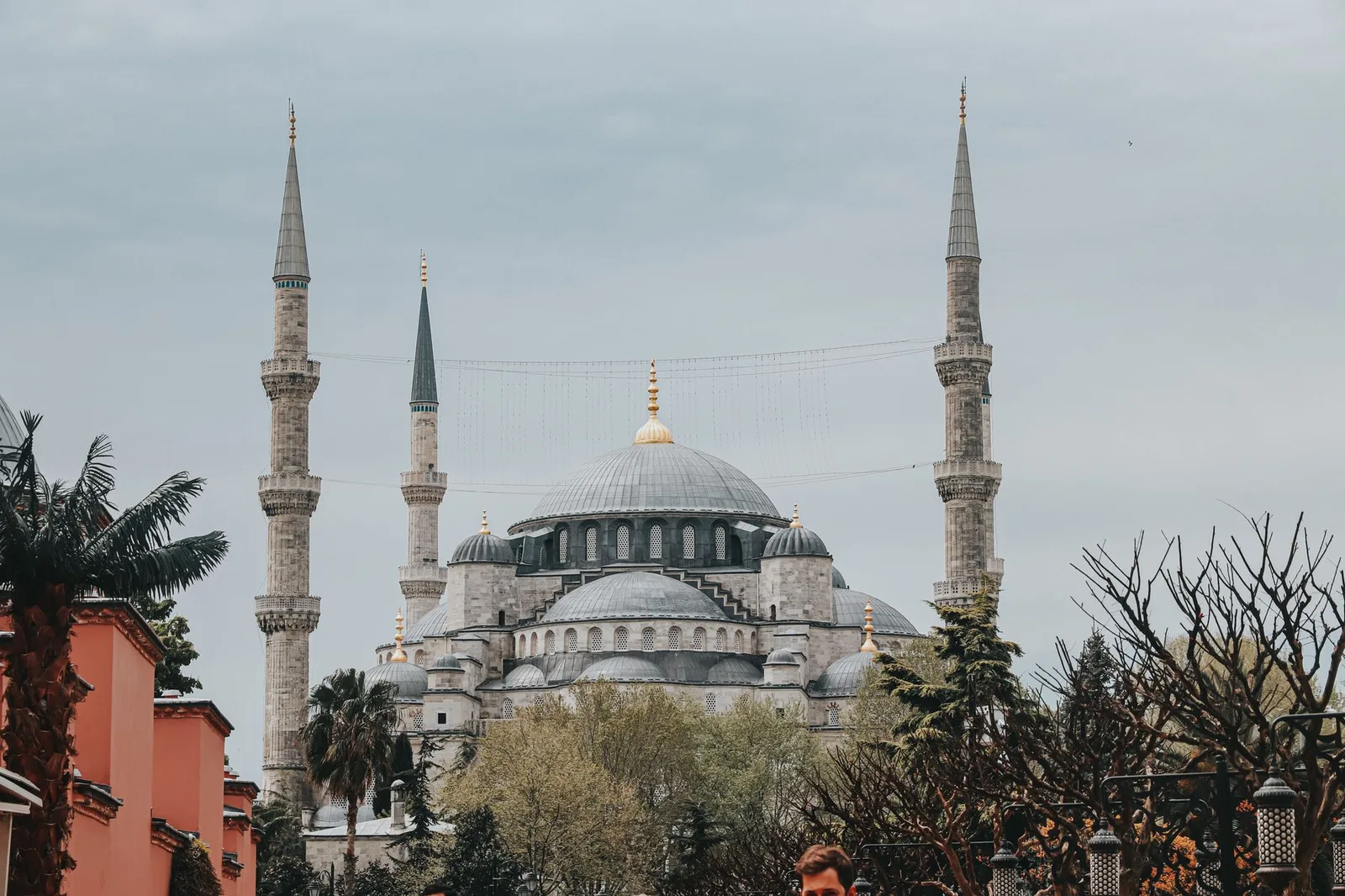
Visiting Türkiye for the first time requires balancing historical exploration, local etiquette, and smart transit choices. This guide covers essential logistics, from navigating public transport cards to respecting cultural norms in mosques. By planning your routes efficiently and avoiding common tourist traps, you can experience the country's rich history and diverse landscapes stress-free.
Contents
- Key Takeaways
- Essential Logistics for Your First Visit to Türkiye
- Comparing Türkiye's Major Travel Regions
- Navigating Public Transport and Getting Around
- Sample Itineraries for First-Time Visitors
- Best Photo and Sunset Spots
- Common Mistakes to Avoid
- Navigating Cultural Etiquette and Dining
- Frequently Asked Questions
Planning your inaugural trip to the crossroads of Europe and Asia is incredibly exciting, but it can also feel overwhelming. Türkiye is vast, culturally diverse, and packed with ancient ruins, bustling bazaars, and dramatic coastlines. Navigating this dynamic country smoothly requires a bit of practical preparation. This comprehensive guide provides the ultimate Türkiye travel tips for first-timers to ensure your journey is seamless, respectful, and highly rewarding.
Key Takeaways
- Buy an Istanbulkart immediately upon arrival for affordable, seamless public transit across ferries, metro, and trams.
- Always carry a small amount of cash (Turkish Lira) for street food, public restrooms, and small vendors outside major cities.
- Dress modestly when visiting active mosques, ensuring shoulders and knees are covered, and women carry a headscarf.
- Use dedicated route-planning tools to optimize travel times between geographically spread-out regions like Istanbul, Cappadocia, and Ephesus.

Essential Logistics for Your First Visit to Türkiye
Before you step off the plane, understanding the basic administrative and financial systems of the country will save you significant time and stress.
Visas and Entry Requirements
Most foreign travelers require an e-Visa or are eligible for visa-free entry for up to 90 days. You should check the official Republic of Türkiye Electronic Visa Application System well in advance of your departure. Avoid third-party agency websites that charge inflated processing fees; the official government portal is straightforward and processes approvals quickly.
Currency, Cards, and Tipping
The local currency is the Turkish Lira (TRY). While credit and debit cards are widely accepted in supermarkets, hotels, and established restaurants in major cities like Istanbul, Izmir, and Ankara, cash remains essential. You will need coins or small bills for public restrooms, small souvenir stalls, and traditional dolmuş (shared minibuses).
When using ATMs, look for those attached to reputable national banks such as Ziraat Bankası, Garanti BBVA, or İşbank to minimize the risk of card skimming. Tipping is customary but modest; in standard restaurants, leaving 5% to 10% in cash is highly appreciated, as card tips rarely reach the waitstaff directly.
Comparing Türkiye's Major Travel Regions
To help you decide where to allocate your time, this table compares the most popular hubs for first-time visitors based on logistics and focus.
| Region Name | Recommended Time | Cost Level | Best For |
|---|---|---|---|
| Istanbul | 3–5 Days | Mid-range | Byzantine & Ottoman history, food, architecture | 2–3 Days | Premium | Volcanic landscapes, hot air balloons, cave dwellings |
| Ephesus / Selçuk | 1–2 Days | Budget | Roman ruins, ancient history, religious heritage |
| Antalya & Coast | 3–4 Days | Mid-to-Premium | Beaches, Mediterranean resorts, Roman theaters |

Navigating Public Transport and Getting Around
Getting lost in a new country wastes precious vacation hours. Fortunately, Türkiye has an excellent, highly affordable public transportation network.
Mastering City Transit
In Istanbul, do not rely on taxis, which are notorious for overcharging tourists and getting stuck in heavy traffic. Instead, purchase an Istanbulkart from the yellow vending machines at transit hubs. This single RFID card works on the metro, trams, public ferries (şehir hatları), and buses. The ferries are particularly useful, offering a scenic commute between the European and Asian sides of the city for the price of a standard transit fare.
Intercity Travel Options
For long distances, you have three primary choices:
- Domestic Flights: Carriers like Turkish Airlines and Pegasus connect major cities quickly and affordably if booked in advance.
- High-Speed Trains (YHT): This modern rail network connects Istanbul, Ankara, and Konya. Tickets sell out early, so book via the official Turkish State Railways website.
- Intercity Coaches: Companies like Kamil Koç and Pamukkale offer incredibly comfortable long-distance buses equipped with Wi-Fi, power outlets, and complimentary snacks.
Routevia shows you the best places to visit across Türkiye city by city, then plans an AI-powered route in seconds.
Sample Itineraries for First-Time Visitors
If you are short on time, these structured schedules ensure you hit the most critical cultural landmarks efficiently.
1-Day Istanbul Historic Core Itinerary
This compact route focuses on the Sultanahmet district, where the city’s most famous monuments sit within walking distance of one another.
- 09:00 AM – Hagia Sophia: Arrive early to beat the tour groups. Check the visitor guidelines as entry rules for the gallery level can change.
- 11:00 AM – Blue Mosque (Sultan Ahmed Mosque): Located directly across the park. Note prayer times, during which the mosque closes to non-worshipers for about 90 minutes.
- 12:30 PM – Lunch: Try traditional köfte (meatballs) at a historic eatery nearby.
- 02:00 PM – Basilica Cistern: Walk underground to see the ancient Roman water filtration system and the famous Medusa column bases.
- 04:00 PM – Grand Bazaar: Spend your afternoon navigating this massive covered market. Focus on the inner bedesten (vaulted core) for historical architecture.
2-Day Expanded Istanbul and Bosphorus Itinerary
This plan builds on the historic core, taking you across the Golden Horn to experience the modern and maritime sides of the city.
Day 1: Classical Sultanahmet and Grand Bazaar
Follow the 1-day itinerary detailed above to cover the primary historical monuments in the old city center.
Day 2: Galata, Karaköy, and the Bosphorus
- 09:30 AM – Galata Tower: Climb or take the elevator up this medieval stone tower for panoramic views of the peninsula.
- 11:30 AM – Istiklal Avenue and Beyoğlu: Walk through this bustling pedestrian street, observing the historic red tram.
- 01:30 PM – Lunch in Karaköy: Sample fresh seafood or traditional baklava at Karaköy Güllüoğlu.
- 03:30 PM – Bosphorus Public Ferry: Board a public ferry from Eminönü to Kadıköy on the Asian side. Enjoy the tea served on board while watching seagulls trail the boat.
- 06:00 PM – Sunset in Kadıköy: Walk along the Moda seaside park before dining in the vibrant Kadıköy fish market district.
Best Photo and Sunset Spots
Capture the essence of your journey at these specific locations, timed for the best lighting conditions.
Galata Bridge at Sunset
Position yourself on the lower deck of the Galata Bridge looking west toward the Süleymaniye Mosque. The silhouettes of the mosque domes and minarets against the golden sky, framed by fishing lines dropping from the upper deck, offer a classic Istanbul image.
Ortaköy Mosque and Bosphorus Bridge
Visit this spot in the early morning (around 07:30 AM) when the rising sun illuminates the neo-Baroque facade of the mosque, with the massive modern suspension bridge stretching behind it. The area is quiet at this hour, allowing for clean frames without crowds.
Goreme Sunset Viewpoint (Cappadocia)
Head to the designated "Sunset Viewpoint" in Göreme at dawn (around 05:30 AM to 06:30 AM, depending on the season) to photograph dozens of hot air balloons rising over the fairy chimneys. Alternatively, return at dusk to watch the valley turn deep shades of pink and orange.
Common Mistakes to Avoid
Avoid these frequent missteps to keep your budget intact and your interactions respectful.
- Accepting "Free" Services or Items: If a street vendor hands you a rose, a shoe-shine brush, or a postcard "as a gift," politely decline and keep walking. These are almost always preludes to a demand for payment.
- Taking Unlicensed Taxis: Always ensure the taxi meter (taksimetre) is turned on when you enter. If the driver claims the meter is broken or insists on a flat rate, exit the vehicle immediately and look for another cab.
- Dressing Inappropriately at Religious Sites: Both men and women must cover their shoulders and knees when entering mosques. Women must also cover their hair. Avoid buying cheap polyester scarves at the entrance by packing your own lightweight cotton scarf in your daypack.
- Buying Antiques Without Documentation: It is strictly illegal to export genuine antiquities from Türkiye. If you purchase carpets or items that look historic, ensure you receive an official certificate of origin and a receipt to show customs at the airport.
- Sticking Only to Sultanahmet: Many tourists never leave the historic old city of Istanbul. To experience authentic local life, cross the Golden Horn to neighborhoods like Beşiktaş, Kadıköy, or Arnavutköy.
Navigating Cultural Etiquette and Dining
Turkish hospitality (misafirperverlik) is famous worldwide. Understanding a few cultural norms will help you connect with locals genuinely.
The Ritual of Tea (Çay)
You will be offered small, tulip-shaped glasses of black tea (çay) constantly—by shopkeepers, carpet sellers, and hotel hosts. Accepting a glass is a sign of respect and friendship. If you do not want any more, leave your spoon resting across the top of the glass; leaving it in the glass signals you would like a refill.
How to Bargain Respectfully
Bargaining is expected in the Grand Bazaar and Spice Bazaar, but it is not customary in regular retail shops, supermarkets, or restaurants. When negotiating, have a target price in mind, start at roughly 50% to 60% of the seller's initial offer, and work your way to a middle ground. Keep the interaction lighthearted; if the price doesn't suit you, walk away politely.
To make coordinating these cultural stops, transit connections, and daily walks easier, using a dedicated route planner can streamline your trip. Modern solutions like Routevia use AI to map out your daily routes, ensuring you don't waste hours zigzagging across large cities like Istanbul.
Frequently Asked Questions
Is Türkiye safe for solo first-time travelers?
Yes, Türkiye is generally very safe for solo travelers, including solo female travelers. Violent crime rates are low in tourist areas. The most common issues are petty theft, pickpocketing in crowded markets, and taxi scams. Exercising the same common-sense precautions you would use in any major global city—such as keeping your belongings secure and staying in well-lit areas at night—is sufficient to ensure a safe trip.
What is the best time of year to visit Türkiye?
The shoulder seasons of spring (April to May) and autumn (September to October) are the ideal times to visit. During these months, the weather is mild and pleasant for walking around outdoor ruins, and the heavy summer crowds have subsided. Summer (July and August) can be intensely hot and humid, especially in Ephesus and the southern coast, while winter can bring rain and snow to Istanbul and Cappadocia.
Can I drink tap water in Türkiye?
While tap water in major cities like Istanbul and Ankara is treated and technically safe for brushing your teeth or cooking, it is generally not recommended for drinking due to the aging pipe infrastructure. Locals and tourists alike prefer bottled water, which is incredibly cheap and readily available at every corner kiosk (büfe) and grocery store.
How do I dress appropriately for a trip to Türkiye?
Türkiye is a secular nation with a diverse social landscape. In modern city neighborhoods, beach resorts, and coastal towns, western-style clothing like shorts, t-shirts, and sundresses is completely normal. However, when visiting conservative neighborhoods, rural areas, or religious sites, it is respectful to dress more modestly by covering your cleavage, shoulders, and thighs.
Do I need to learn Turkish to get around?
While learning a few basic phrases like "Merhaba" (Hello) and "Teşekkür ederim" (Thank you) is highly appreciated by locals, you do not need to speak Turkish to navigate the main tourist areas. English is widely spoken in hotels, restaurants, and shops in Istanbul, Cappadocia, and coastal resorts. Downloading an offline translation app can help when communicating with taxi drivers or vendors in local markets.
How does the Museum Pass Türkiye work?
The Museum Pass Türkiye, managed by the Ministry of Culture and Tourism, offers prepaid access to over 300 historical sites and museums across the country for 15 days. If you plan to visit major sites like the Ephesus Archaeological Site, Pamukkale, and multiple museums in Istanbul, the pass saves you money and allows you to bypass the long ticket-purchase queues.
By preparing your transit cards, packing respectfully, and structuring your days logically, your first visit to Türkiye will be both smooth and deeply rewarding. Take your time, enjoy the hospitality, and let the incredible layers of history unfold around you.

Independent Full Stack Developer · Founder of Tabserve
Aycan builds and maintains Tabserve's apps — OneBag, Routevia and RentFlow — and writes practical, tested guides to help you pack smarter, travel better and manage rentals with less hassle.