Renting a Car in Türkiye: The Ultimate Guide to a Self-Drive Adventure
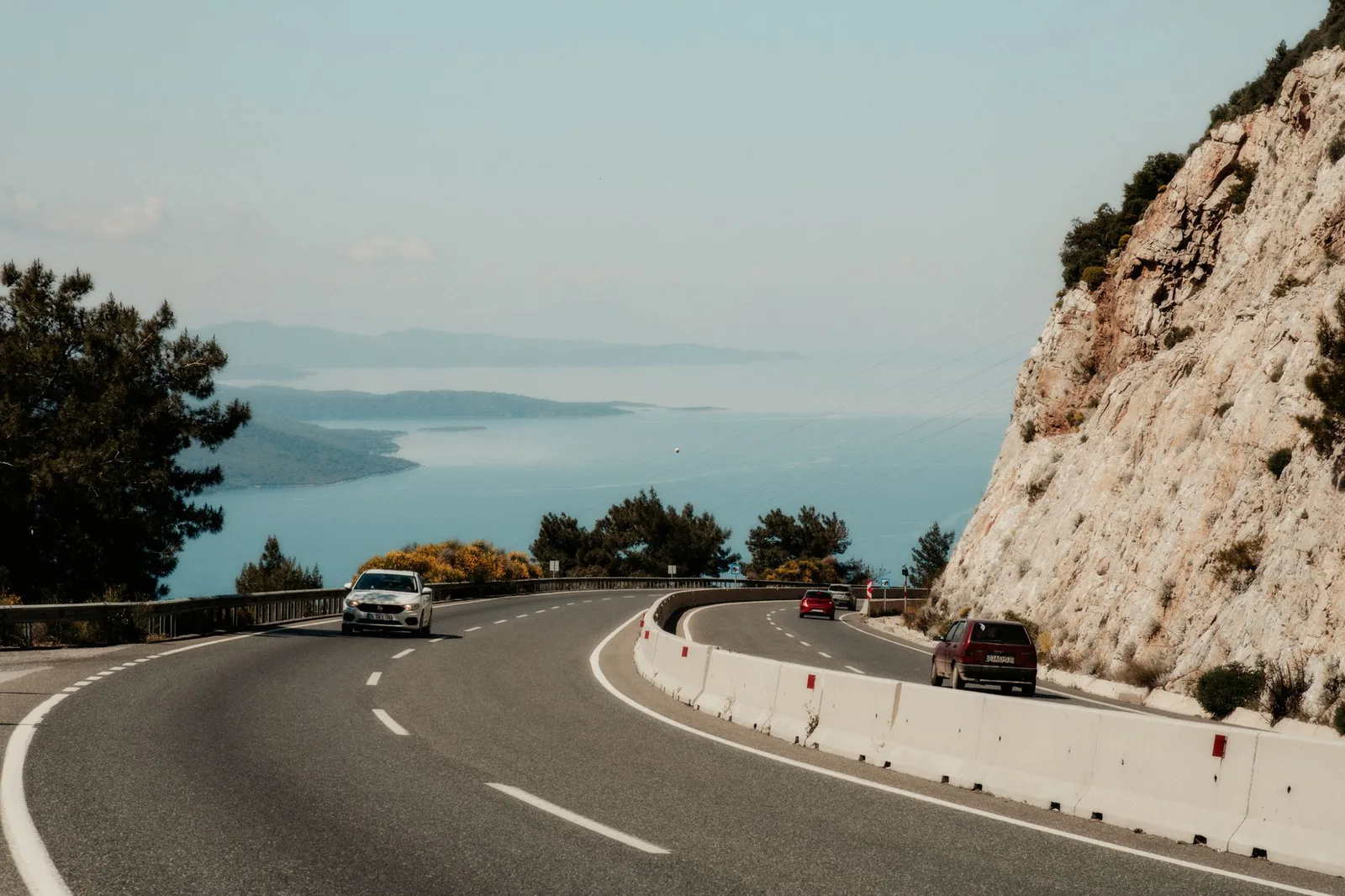
Renting a car in Türkiye unlocks the freedom to explore ancient ruins, coastal highways, and remote mountain villages at your own pace. To ensure a smooth journey, you need to understand the HGS electronic toll system, carry an International Driving Permit, and prepare for assertive local driving habits. This comprehensive guide covers rental requirements, essential road rules, curated itineraries, and practical tips to keep your Turkish road trip safe and stress-free.
Contents
From the turquoise waters of the Aegean coast to the fairy chimneys of Cappadocia, Türkiye is a country built for road trips. While public transit connects major cities, renting a car in Türkiye is the only way to access secluded beaches, rural historical sites, and local eateries tucked away from the main tourist hubs. Driving here is highly rewarding, provided you know what to expect regarding local traffic laws, toll systems, and road etiquette.
Key Takeaways
- An International Driving Permit (IDP) is legally required alongside your national license if your license is not in the Latin alphabet.
- All toll roads in Türkiye use the automated HGS system; ensure your rental agency has active transponders in the vehicle.
- Avoid driving inside historic city centers like Istanbul or Antalya; park in municipal car parks (İspark) on the outskirts.
- Download an AI-powered route planner like Routevia to map out scenic detours, local dining, and optimal driving times.
Requirements for Renting a Car in Türkiye
Age Limits and License Policies
To rent a passenger vehicle in Türkiye, you must be at least 21 years old and have held a valid driver's license for a minimum of one year. For premium or larger vehicles, many rental agencies raise the minimum age requirement to 25 or 27 years. Drivers under 25 may also face a daily "young driver" surcharge.
If your domestic driver's license is written in the Latin alphabet (such as standard US, UK, or EU licenses), you can legally drive in Türkiye as a tourist for up to six months. However, carrying an International Driving Permit (IDP) is highly recommended. It serves as an official translation and is frequently requested by local traffic police at routine checkpoints. If your license uses non-Latin characters (such as Cyrillic, Arabic, or Mandarin), an IDP is mandatory.
Required Documentation at the Rental Counter
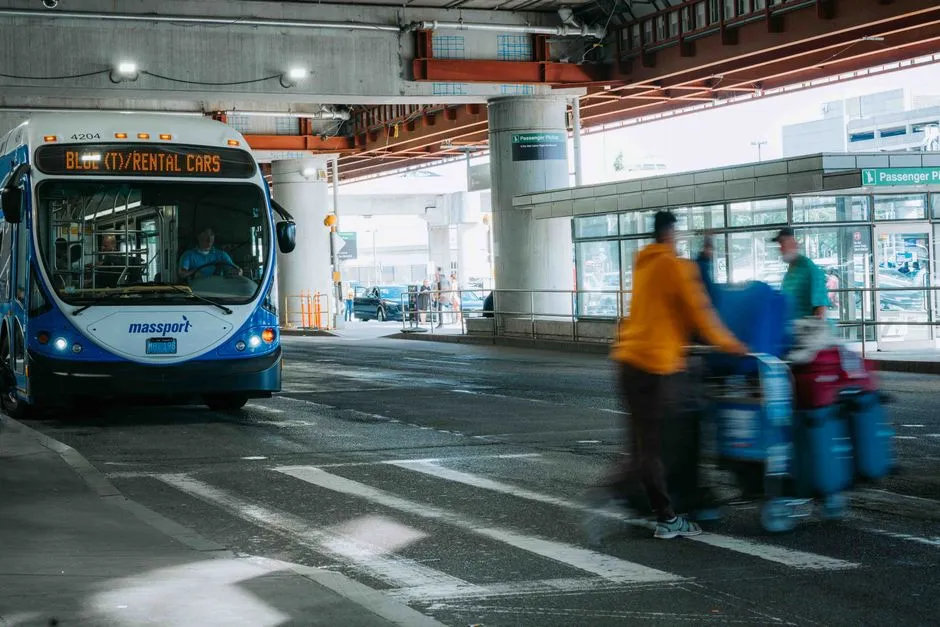
When collecting your vehicle at the airport or city depot, you must present the following documents:
- Your physical, valid national driver's license.
- An International Driving Permit (if applicable).
- A passport valid for at least six months beyond your entry date.
- A major credit card in the primary driver's name (debit cards are rarely accepted for security deposits).
- Your printed rental booking confirmation.
Understanding Turkish Road Rules and Toll Systems
The HGS Toll System Explained
Türkiye features an extensive network of modern highways, many of which require toll payments. The country utilizes an entirely electronic toll collection system called HGS (Hızlı Geçiş Sistemi). There are no physical cash or card booths on Turkish motorways.
Vehicles are equipped with an electronic sticker or transponder mounted behind the rearview mirror. As you pass through the toll gates, sensors automatically read the chip and deduct the fare. When renting a car in Türkiye, ask the agent to confirm that an active HGS account is linked to the vehicle. Most agencies pass these toll costs onto your final credit card bill, sometimes adding a small administrative processing fee.
Speed Limits and Traffic Enforcement
Speed limits are strictly enforced via fixed speed cameras, mobile radar units, and average-speed corridor tracking. Standard speed limits across the country are structured as follows:
- Urban areas: 50 km/h (approx. 31 mph)
- Double-lane highways (outside cities): 90 km/h to 110 km/h (approx. 56 to 68 mph)
- Motorways/Otoyol: 120 km/h to 140 km/h depending on the specific highway signage (approx. 74 to 87 mph)
The blood alcohol concentration limit for drivers in Türkiye is 0.05%. However, for drivers carrying passengers or operating rental vehicles, the limit is strictly 0.00%. Do not drink any alcohol before driving.
Comparing Regional Driving Conditions
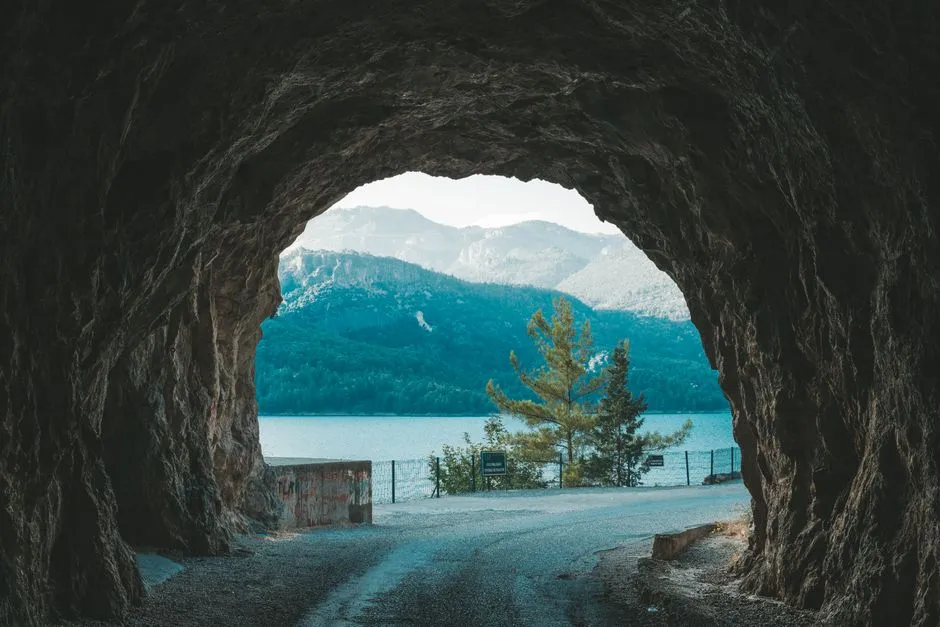
Driving conditions vary significantly across different regions of Türkiye. Choosing the right vehicle and route depends on your destination.
| Region / Route | Road Quality | Traffic Density | Recommended Car Type | Best For |
|---|---|---|---|---|
| Aegean & Mediterranean Coasts | Excellent (mostly paved dual-carriageways) | Moderate (heavy in July-August) | Compact Sedan or Convertible | Coastal views, ancient ruins, beach hopping |
| Central Anatolia (Cappadocia) | Good (wide open roads, some gravel near valleys) | Low to Moderate | Mid-size SUV or Standard Sedan | Volcanic landscapes, open valleys, hot air balloon views |
| Black Sea Region | Variable (steep, winding mountain passes) | Low | 4WD / AWD SUV | High-altitude pastures, tea plantations, wet weather driving |
| Eastern Anatolia | Fair (long distances between service stations) | Very Low | Robust SUV | Remote historical sites, rugged mountain terrain |
Routevia shows you the best places to visit across Türkiye city by city, then plans an AI-powered route in seconds.
Sample Itineraries
1-Day Western Anatolia Route (Ephesus to Sirince)
This single-day itinerary combines world-class archeology with a scenic hillside village drive.
- 08:30 AM – 12:00 PM: Ancient City of Ephesus. Arrive early at the South Gate to beat the tour buses. Walk downhill through the Celsus Library and the Great Theatre. Parking is available at the municipal lot for a small fee.
- 12:00 PM – 12:30 PM: Drive to Selçuk. A short 10-minute drive. Stop for lunch at a local restaurant to try traditional Çöp Şiş (grilled lamb skewers).
- 02:00 PM – 05:00 PM: Hillside Village of Şirince. Drive 12 km up the winding mountain road to this historic Greek-Ottoman village. Park in the designated lot at the village entrance; cars are banned in the narrow cobblestone center. Explore the fruit wineries and historic stone houses.
- 05:30 PM – 07:00 PM: Sunset at Pamucak Beach. Drive 20 minutes west to this wide sandy beach for a relaxing sunset walk before returning your rental car.
2-Day Turquoise Coast Route (Fethiye to Kas)
A spectacular coastal drive along the D400 highway, featuring dramatic cliffs and pristine beaches.
Day 1: Fethiye to Kalkan
- 09:00 AM – 11:30 AM: Kayaköy Ghost Village. Drive south from Fethiye to explore the abandoned stone houses of this historical Greek settlement. Wear sturdy walking shoes.
- 11:30 AM – 01:00 PM: Drive the D400 highway south toward Kalkan, passing pine forests and mountain vistas.
- 01:00 PM – 03:00 PM: Kaputaş Beach. Park along the roadside of the D400 (arrive early as spots are limited) and walk down the 180 steps to this dramatic gorge beach. Enjoy a quick swim and lunch at the beachside cafe.
- 04:00 PM: Check-in in Kalkan. Spend the evening dining by the harbor in this historic fishing town.
Day 2: Kalkan to Kaş and Kekova
- 09:00 AM – 10:00 AM: Drive Kalkan to Kaş. A highly scenic 30-minute drive hugging the cliffside of the Mediterranean.
- 10:30 AM – 02:00 PM: Kaş Peninsula & Ancient Antiphellos. Visit the small Hellenistic theater overlooking the sea, then explore the boutique shops in the town center.
- 02:30 PM – 06:00 PM: Üçağız (Kekova) Detour. Drive 45 minutes east to the village of Üçağız. Hire a local boat to view the Sunken City of Kekova and the Byzantine castle at Simena, accessible only by water.
Best Photo & Sunset Spots
- Kaputaş Beach Bridge (D400 Highway): Best photographed from the highway bridge looking down into the turquoise cove. Best light is mid-morning when the sun shines directly into the water.
- Red Valley Overlook (Cappadocia): Accessible via a dirt road. Park at the designated sunset viewpoint. Arrive one hour before sunset to watch the clay-colored cliffs turn deep shades of pink and orange.
- Assos Athena Temple (Çanakkale): Park in Behramkale village and hike up to the ruins. The ancient columns frame the Aegean Sea and the Greek island of Lesbos perfectly during golden hour.
Common Mistakes to Avoid
- Renting the smallest engine for mountainous regions: Much of Türkiye is mountainous. A basic 1.0-liter engine will struggle on the steep inclines of the Black Sea or Aegean coastal roads. Opt for a mid-size engine or a diesel variant.
- Assuming right-of-way at roundabouts: In Türkiye, drivers inside the roundabout often yield to incoming traffic, which is opposite to standard international rules. Approach all roundabouts with caution and watch the behavior of local drivers.
- Entering historic city centers: Historic districts in cities like Istanbul, Antalya (Kaleiçi), and Amasya have incredibly narrow streets, pedestrian-only zones, and limited parking. Park in a secure municipal garage outside the old town walls and walk in.
- Forgetting to inspect the car for pre-existing damage: Scratches and bumper scuffs are common in tight Turkish parking spaces. Take photos and videos of all sides of the vehicle, including the glass and wheels, before leaving the rental lot.
Frequently Asked Questions
Can I drive in Türkiye with a US or UK driver's license?
Yes, you can drive in Türkiye using a valid US, UK, Canadian, or EU driver's license for up to six months from your date of entry. However, if your license is not in the Latin alphabet, you must obtain an International Driving Permit (IDP) before your trip. Carrying an IDP alongside your national license is highly recommended for all travelers to facilitate communication at police checkpoints.
What side of the road do they drive on in Türkiye?
In Türkiye, traffic drives on the right side of the road, and overtaking is done on the left. This is the same system used in continental Europe and North America.
Are there police checkpoints on Turkish roads?
Yes, routine traffic checkpoints are common throughout Türkiye, particularly on major intercity highways and near regional borders. Police officers may flag you down to inspect your vehicle registration, rental agreement, insurance, and driver's license. Remain calm, polite, and present your documents. These checks are standard security procedures and usually take only a few minutes.
Is it safe to drive in Türkiye at night?
While major highways are well-lit and in excellent condition, driving at night on rural or mountainous roads is not recommended. Agricultural vehicles, wandering livestock, and unlit obstacles can be difficult to spot. Additionally, road markings may be less visible in remote areas during heavy rain or fog.
How do I pay for fuel at Turkish gas stations?
Fuel stations in Türkiye are full-service. An attendant will pump the fuel for you. You do not need to leave your vehicle until the fueling is complete, at which point you walk into the station office to pay with cash or a major credit card. Specify your fuel type clearly (Dizel for diesel, Benzin for unleaded petrol) to avoid engine damage.
What should I do in case of an accident?
In the event of an accident, do not move the vehicle unless it poses an immediate safety hazard. You must call the traffic police (dial 154 or the general emergency number 112) to obtain an official accident report (Kaza Tespit Tutanağı). Rental insurance policies are typically void without this official police report. Contact your rental agency immediately to guide you through the local insurance claim process.
Renting a car in Türkiye turns a standard holiday into an immersive journey through diverse cultures, ancient histories, and dramatic landscapes. By understanding the local road rules, securing the right rental vehicle, and planning your routes with smart tools like Routevia, you can navigate the Turkish highways with confidence and ease.

Independent Full Stack Developer · Founder of Tabserve
Aycan builds and maintains Tabserve's apps — OneBag, Routevia and RentFlow — and writes practical, tested guides to help you pack smarter, travel better and manage rentals with less hassle.