The Best Travel Accessories for Carry-On Only Travel: The Ultimate Minimalist Packing Guide
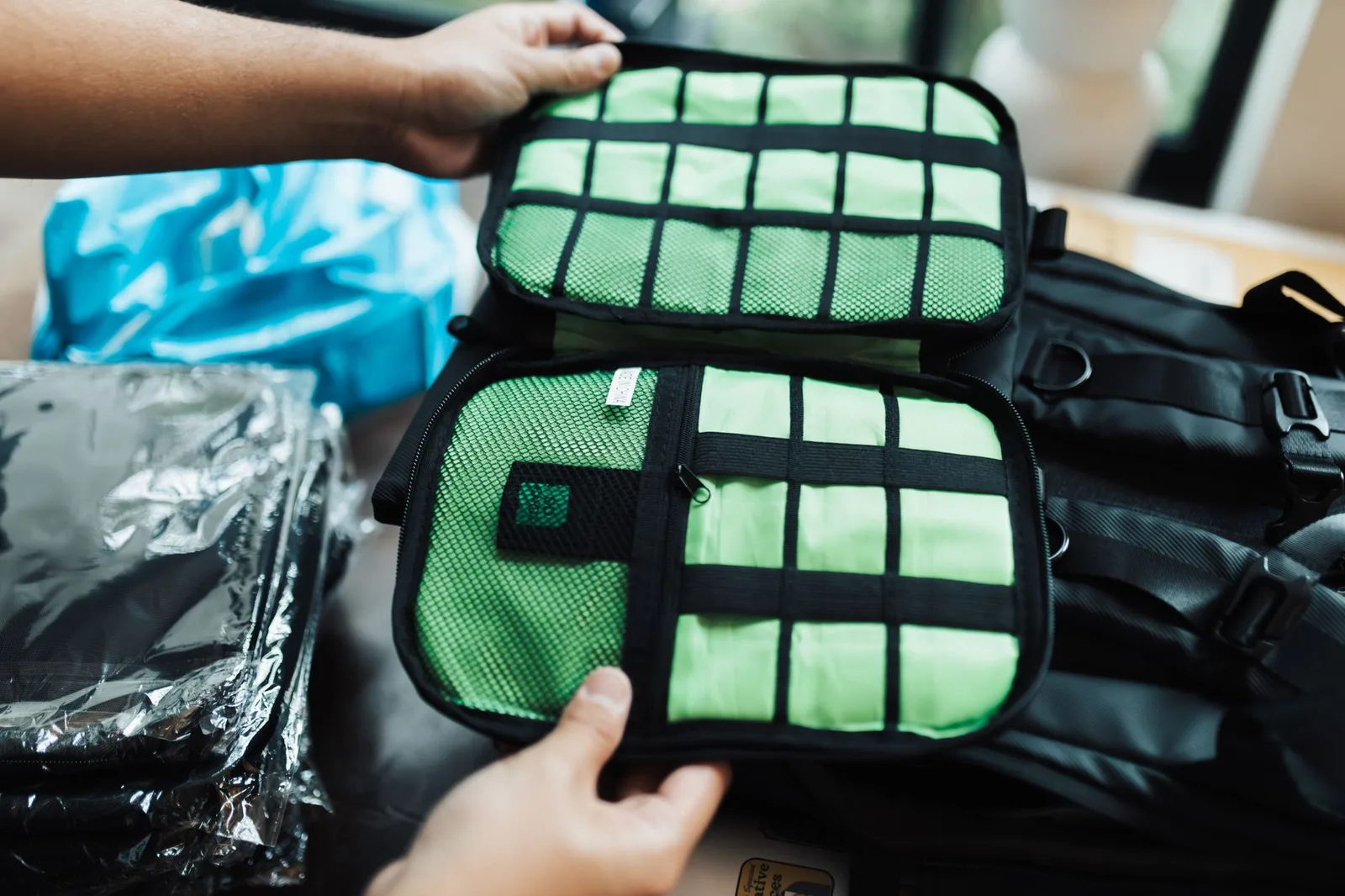
Transitioning to carry-on-only travel requires shifting from bulky, single-use items to multi-functional, lightweight gear. This guide highlights the best travel accessories to maximize packing space, satisfy strict airline weight limits, and breeze through airport security. By focusing on compression tools, universal power solutions, and ultra-light materials, you can travel indefinitely with a single piece of luggage.
Traveling with only a carry-on bag is no longer just a trend for extreme minimalists; it has become a practical necessity for modern flyers. With airlines charging steep fees for checked baggage, losing luggage at record rates, and operating under strict weight limits, keeping your possessions with you is the smartest way to fly. However, successful one-bag travel relies heavily on choosing the right gear. The wrong items add unnecessary weight, clutter your bag, and cause delays at airport security checkpoints.
To pack efficiently, you must evaluate every item based on its weight, size, and utility. The best travel accessories are those that serve multiple purposes, compress to save space, or solve specific logistical challenges like organizing cables, managing wet clothing, or tracking weight limits. When your entire wardrobe and gear setup must fit into a 40-liter backpack or a standard 22-inch rolling suitcase, every square inch of space matters.
Contents
- Key Takeaways
- The Foundations of Smart Packing: Compression and Organization
- Power and Connectivity: Minimalist Tech Accessories
- TSA Compliance: Streamlining the Security Line
- The Ultimate Carry-On Accessory Comparison
- In-Flight Comfort and Wellness Essentials
- Luggage Management and Security Accessories
- Common Mistakes to Avoid
- Frequently Asked Questions
Key Takeaways
- Compression packing cubes are essential for reducing clothing volume by up to 40% while keeping items organized.
- A single high-wattage USB-C GaN charger can replace separate power bricks for your phone, laptop, and tablet.
- Liquid toiletries must be strictly managed using leakproof, silicone bottles that comply with global aviation security rules.
- Monitoring your bag's total weight prior to arriving at the airport is critical to avoiding forced gate-checking.
The Foundations of Smart Packing: Compression and Organization
Before looking at electronics or toiletries, you must address how you organize your clothing. Clothing takes up the majority of your physical space, and disorganized packing leads to wasted gaps and wrinkles. Utilizing specialized organization systems allows you to compartmentalize your gear, making it easy to find items without unpacking your entire bag.
Compression Packing Cubes vs. Standard Cubes
Standard packing cubes are excellent for organization, keeping your shirts separate from your socks. However, compression packing cubes take this a step further by utilizing a dual-zipper system. Once you fill the cube and close the main zipper, a secondary perimeter zipper compresses the contents, squeezing out excess air. This can reduce the physical volume of your clothing by up to 40%.
When selecting compression cubes, look for materials like ripstop nylon or parachute fabric. These materials are lightweight yet strong enough to withstand the immense tension placed on the zippers. Double-stitched seams are critical; cheap zippers will split under the pressure of compressed clothing.
The Bundle Packing Method with Garment Folders
For business travelers or those carrying collared shirts and dresses, compression cubes can sometimes introduce deep wrinkles. A garment folder is a structured alternative. It features a plastic folding board and folding wings that wrap tightly around your clothes, keeping them flat and rigid. This minimizes friction and movement, preventing wrinkles while still compressing the clothing into a neat, flat package that slides easily into your suitcase's main compartment.
Power and Connectivity: Minimalist Tech Accessories
Keeping your devices powered on the road often leads to a tangled mess of cables and heavy power bricks. Modern charging technology allows you to consolidate your power needs into a few highly efficient, compact devices.
GaN (Gallium Nitride) Chargers
Traditional silicon-based chargers are bulky and generate significant heat. Gallium Nitride (GaN) chargers utilize a newer semiconductor material that conducts electrons far more efficiently. This allows manufacturers to build chargers that are up to 50% smaller and lighter than standard laptop chargers, while delivering higher wattages.
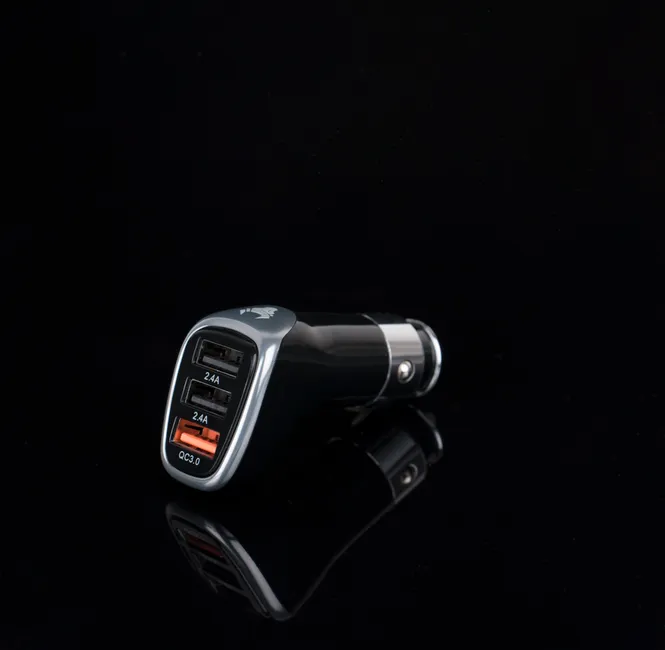
A single 65W or 100W GaN charger with multiple USB-C ports can simultaneously charge a laptop, a smartphone, and wireless headphones. This eliminates the need to pack separate power bricks for each device, saving substantial weight and space in your tech pouch.
Multi-Port Universal Travel Adapters
If you are traveling internationally, you will encounter different plug configurations. Traditional adapters are bulky single-country plugs. The best travel accessories for international trips are universal adapters that feature slide-out prongs for US, UK, EU, and AU outlets.
Look for a universal adapter that integrates built-in USB-C and USB-A ports directly into the housing. This allows you to charge your devices directly from the wall adapter without needing to plug in your GaN charger, saving even more space. Ensure the adapter has a built-in fuse (preferably a resettable auto-fuse) to protect your expensive electronics from power surges.
Ultra-Thin Power Banks
A dead phone battery can ruin your navigation, flight boarding passes, and translation tools. While high-capacity power banks (20,000mAh and above) are useful, they are heavy and can sometimes run into capacity restrictions at security gates. A 10,000mAh power bank strikes the perfect balance, providing roughly two full charges for a modern smartphone while remaining thin enough to slip into a pocket. Look for models featuring Power Delivery (PD) over USB-C for fast charging speeds.

TSA Compliance: Streamlining the Security Line
The airport security checkpoint is often the most stressful part of air travel. The Transportation Security Administration (TSA) and international aviation authorities enforce strict rules regarding liquids and electronics. Having the right accessories can help you clear security in seconds.
Hanging Toiletry Bags and Flat-Pack Wash Pouches
Traditional toiletry bags are boxy and take up significant space in the center of your suitcase. Flat-pack toiletry pouches are designed to lie flat on top of your clothes or slide into the external pockets of your backpack.
For maximum utility, choose a bag with a stowaway hook. Hotel bathroom counter space is often extremely limited; hanging your toiletries on a towel rack or mirror hook keeps your items clean, dry, and easily accessible. Ensure the inner lining is made of water-resistant material like TPU (thermoplastic polyurethane) so that any accidental leaks do not ruin the rest of your luggage.
Refillable Silicone Bottles
Buying travel-sized toiletries is expensive and plastic-waste intensive. Instead, invest in high-quality, refillable silicone bottles. Food-grade silicone is flexible, allowing you to squeeze out every drop of product, and it resists cracking under cabin pressure changes.
Leakproof Valve Technology
The biggest risk with travel bottles is leakage caused by cabin pressure drops during flight. Look for bottles that feature a multi-layer cap design with a self-sealing valve inside the lid. This prevents liquid from escaping even if the cap pops open under pressure.
The Ultimate Carry-On Accessory Comparison
To help you prioritize your gear purchases, the table below compares the essential carry-on accessories based on their utility, weight impact, and cost category.
| Accessory Name | Primary Function | Weight Impact | Cost Level | Best For |
|---|---|---|---|---|
| Compression Packing Cubes | Reduces clothing volume | Minimal (under 150g) | Budget | Soft clothing and outerwear |
| 65W GaN Multi-Port Charger | Powers laptop, phone, and tablet | Low (under 200g) | Mid-range | Tech-heavy travelers |
| Universal Travel Adapter | Adapts plugs globally | Medium (approx. 220g) | Budget | Multi-country international trips | Organizes grooming items flatly | Minimal (under 180g) | Mid-range | Bypassing bathroom counter clutter |
| Digital Luggage Scale | Prevents overweight baggage fees | Low (approx. 90g) | Budget | Strict budget airline flyers |
In-Flight Comfort and Wellness Essentials
Long-haul flights in economy class can be physically taxing. Packing a few lightweight comfort items can transform your flight experience without adding bulk to your personal item.
Inflatable vs. Memory Foam Travel Pillows
While memory foam travel pillows offer excellent neck support, they are notoriously bulky and difficult to pack. For carry-on-only travelers, an inflatable neck pillow is the superior choice. Modern inflatable pillows feature soft microfiber covers and can be fully inflated with just two or three breaths. When deflated, they fold down to the size of a deck of cards, freeing up valuable space inside your bag.
Noise-Canceling Earbuds
Over-ear active noise-canceling (ANC) headphones offer superb sound isolation, but their hard cases take up a massive amount of space. High-end wireless ANC earbuds have closed the performance gap significantly. They block out the low-frequency rumble of jet engines, fit easily into your pocket, and charge inside their own small case.
Solid Toiletries and Personal Care
To bypass the strict liquid limits altogether, transition your personal care routine to solid alternatives. Solid shampoo bars, conditioner bars, solid deodorants, and toothpaste tablets do not count toward your liquid allowance. This frees up space in your clear liquids bag for essential fluids like sunscreen, contact lens solution, or prescription creams.
Luggage Management and Security Accessories
Keeping your bag secure and ensuring it meets airline regulations is key to a stress-free travel day. These accessories help you manage your physical bag from the transit terminal to your accommodation.
TSA-Approved Cable Locks
Even if you keep your bag with you, there are times when you must leave your luggage in a hotel storage room or on a train luggage rack. A TSA-approved cable lock allows you to lock your zippers together. The flexible cable design is much easier to thread through oddly shaped zipper pulls than rigid shackle padlocks.
Digital Luggage Scales
Many budget airlines in Europe and Asia enforce a strict 7kg (15.4 lbs) weight limit for carry-on bags, and they will weigh your bag at the gate. If you are over the limit, you will be forced to pay a hefty gate-check fee. A tiny, digital handheld luggage scale allows you to weigh your bag in your hotel room before heading to the airport, ensuring you are never caught off guard.
Common Mistakes to Avoid
- Buying cheap, non-branded power banks: Cheap lithium-ion batteries can overheat, swell, or fail to deliver their advertised capacity. Stick to certified brands to prevent fire hazards and ensure reliable fast charging.
- Overpacking compression cubes: Compression cubes make it easy to fit more clothes, but this can easily push your bag over airline weight limits. Always weigh your bag after compressing your gear.
- Using non-standard liquid containers: Security agents in strict airports (like London Heathrow or Tokyo Haneda) may confiscate liquids that are not housed in clearly labeled containers under 100ml, even if they are partially empty.
- Packing heavy, full-sized travel towels: Standard cotton towels take up too much space and dry slowly, leading to mold. Opt for ultra-compact, quick-dry microfiber or linen towels instead.
- Neglecting external bag straps: If your carry-on backpack lacks external compression straps, the contents can shift downward, causing the bag to bulge and exceed the airline's physical sizing box dimensions.
NEW — AI Snap & Check: photograph your packed bag and OneBag's AI instantly ticks off your items and warns you about missing essentials (passport, wallet, charger). Plus smart carry-on lists for your exact trip and bag-weight tracking for 80+ airlines — so you never forget a thing or pay an overweight fee.
Frequently Asked Questions
What are the actual size limits for carry-on bags on most domestic and international airlines?
While limits vary by carrier, the standard dimension limit for domestic US flights is typically 22 x 14 x 9 inches (56 x 36 x 23 cm), including handles and wheels. International carriers, particularly budget airlines in Europe and Asia, are often stricter, frequently capping dimensions at 55 x 40 x 20 cm and enforcing strict weight limits ranging from 7kg to 10kg. Always verify your specific airline's rules before packing.
Can I bring a power bank in my carry-on bag, and are there capacity limits?
Yes, power banks must be carried in your carry-on baggage and are strictly prohibited in checked luggage due to fire safety regulations regarding lithium-ion batteries. Most global aviation authorities, including the Federal Aviation Administration (FAA), limit the capacity of these batteries to 100 watt-hours (Wh) per battery, which equates to roughly 27,000mAh. Anything under this limit is perfectly fine to fly with.
How do I keep my clothes from wrinkling when using compression packing cubes?
To minimize wrinkles in compression cubes, use the "roll" method instead of folding. Rolling your clothes tightly reduces friction and prevents deep crease lines from forming under compression. For dress shirts or formal wear, consider placing a sheet of tissue paper inside the garment before folding, or use a dedicated garment folder rather than a standard compression cube.
Are solid toiletries better than liquid toiletries for carry-on travel?
Yes, solid toiletries are highly recommended for minimalist travelers. Solid shampoo, conditioner, deodorant, and toothpaste tablets do not count toward your airline liquid limit, allowing you to bypass the standard liquid bag restrictions. Additionally, solids eliminate the risk of messy spills inside your luggage and generally last longer than their liquid counterparts.
What is the difference between TSA-approved locks and standard padlocks?
TSA-approved locks feature a master keyhole that allows security officers to open and re-lock your bag using specialized tools if it requires physical inspection. If you use a non-TSA-approved padlock and your bag is selected for search, security personnel are authorized to cut or break your lock, potentially damaging your zippers and leaving your bag unsecured for the remainder of your journey.
How can I make sure my carry-on backpack fits under the seat in front of me?
To ensure your backpack fits under the seat as a personal item, keep its capacity under 30 liters and avoid overpacking the external pockets. Soft-sided bags are easier to squeeze into tight spaces than rigid, structured bags. Always check the airline's specific personal item dimensions, which are typically around 18 x 14 x 8 inches (45 x 35 x 20 cm).
Selecting the best travel accessories is not about buying every gadget on the market; it is about choosing high-quality, lightweight, multi-functional tools that solve real travel problems. By optimizing your packing system with compression tools, streamlined electronics, and TSA-compliant organization, you can enjoy the freedom, speed, and cost savings of traveling carry-on only.

Independent Full Stack Developer · Founder of Tabserve
Aycan builds and maintains Tabserve's apps — OneBag, Routevia and RentFlow — and writes practical, tested guides to help you pack smarter, travel better and manage rentals with less hassle.