Travelling with Kids Packing Tips: How to Master the Art of One Carry-On per Person
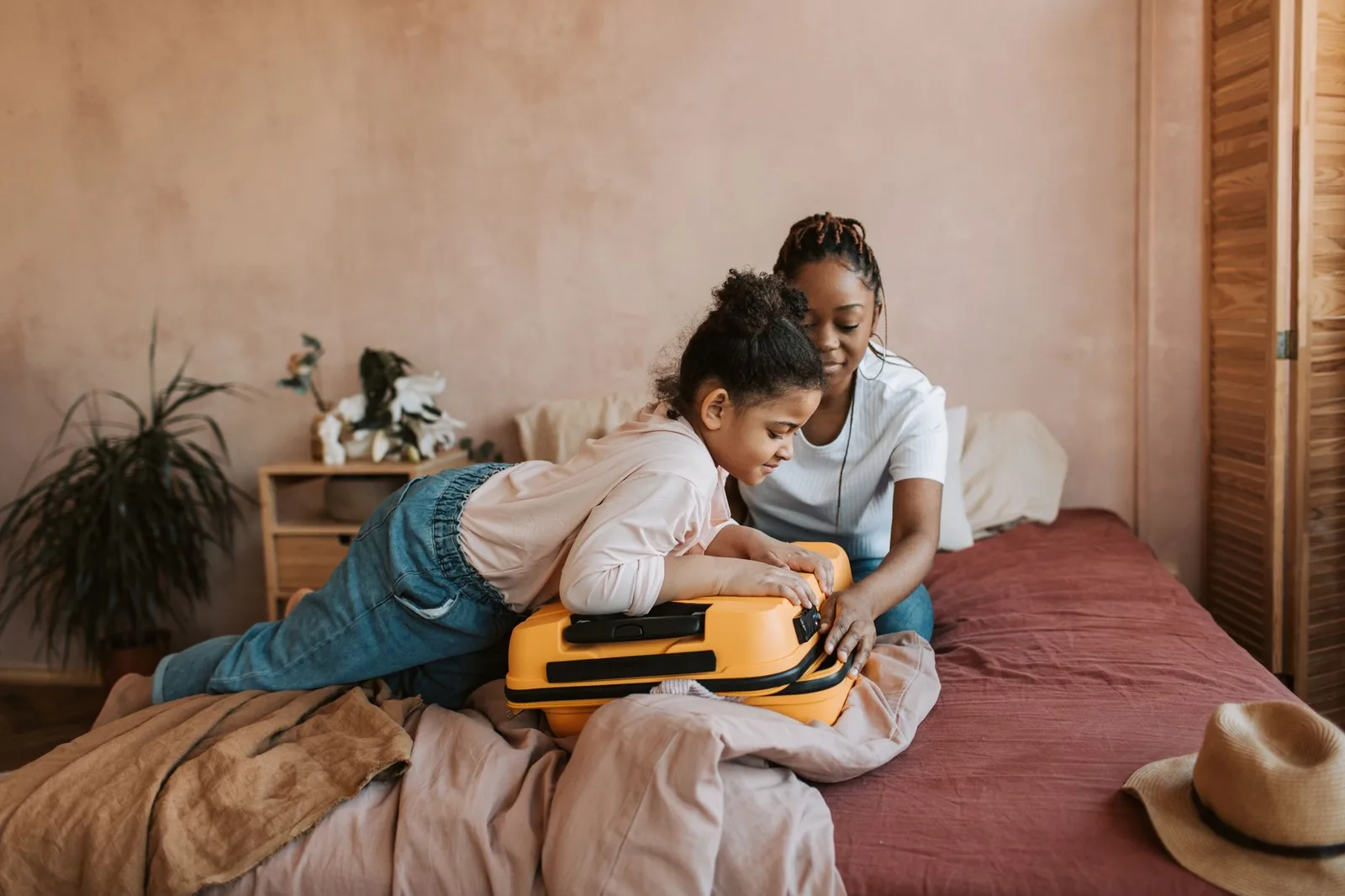
Packing light with children is entirely possible when you transition to a minimalist, carry-on-only mindset. By implementing smart gear selection, strict clothing limits, and digital preparation, you can eliminate excess baggage fees and airport transit stress. This guide provides concrete, actionable steps to shrink your family's travel footprint without sacrificing comfort or safety.
The prospect of navigating a busy airport terminal with multiple children, strollers, and a mountain of oversized suitcases is enough to make any parent consider staying home. Yet, the secret to a stress-free family vacation lies not in preparing for every single hypothetical emergency, but in radical simplification. When you learn to pare down your belongings, you reclaim your physical mobility and mental clarity, allowing you to focus on the journey rather than managing your gear.
Contents
- Key Takeaways
- The Philosophy of Minimalist Family Travel
- The Golden Rules of Travelling with Kids Packing Tips
- Luggage and Gear Selection for Kids of All Ages
- How to Pack: Compression and Organization Systems
- Age-Specific Packing Checklists
- Sustaining a Minimalist Wardrobe on the Road
- Managing Entertainment and Electronics and Keeping It Digital
- Common Mistakes to Avoid
- Frequently Asked Questions
Key Takeaways
- Adopt a strict "one carry-on and one personal item" rule per family member to maintain hands-free mobility.
- Utilize color-coded packing cubes and the rolling method to maximize interior luggage space and keep kids organized.
- Implement the "Rule of 4" for clothing to ensure you never pack more than four days' worth of outfits, regardless of trip length.
- Leverage digital tools and cloud-based packing checklists to track bag weights and prevent overpacking before you leave home.
The Philosophy of Minimalist Family Travel
Many parents fall into the trap of packing for "worst-case scenarios." They pack extra outfits for unexpected spills, multiple pairs of shoes for different activities, and heavy toys to ward off boredom. This approach creates a logistical nightmare. Minimalist family travel is built on the premise that almost any destination you visit will have shops where you can purchase basic consumables, such as diapers, wipes, and basic first-aid items, if an emergency arises.
Why Extra Baggage Drag Down Your Trip
Every additional bag you bring increases your transition time at every stage of your journey. Waiting at the baggage carousel adds 30 to 45 minutes to your airport exit. Dragging large rollers over cobblestone streets or up narrow hotel staircases drains your energy. Most importantly, when your hands are full of luggage, you cannot easily hold your children's hands or react quickly to sudden changes in your environment.
The Psychological Benefits of Packing Light
When you carry less, you worry less. There are fewer items to lose, fewer things to pack and unpack at each lodging transition, and fewer decisions to make when getting dressed in the morning. Children also thrive under these constraints; having limited toy and clothing choices reduces decision fatigue and helps them focus on the immediate environment of their new destination.
The Golden Rules of Travelling with Kids Packing Tips
To successfully transition to a minimalist packing style, you must establish firm boundaries before a single item goes into a bag. These rules keep your packing disciplined and prevent last-minute additions that bloat your luggage weight.
Rule 1: The One-Bag-Per-Person Limit
Every member of the family who is walking independently should have exactly one piece of luggage and one small personal item. For adults and older children, this means a travel backpack or a rolling carry-on that fits standard airline overhead dimensions (typically 55 x 40 x 20 centimeters). For younger children, a small, lightweight backpack that they can comfortably carry themselves is ideal. If a child cannot carry their own bag, their items must fit into the parents' luggage allocations.
Rule 2: The Rule of 4 for Clothing
Regardless of whether your trip is for five days, two weeks, or a month, you should never pack more than four days' worth of clothing. This rule relies on doing quick sink washes or utilizing local laundry services during your trip. A typical individual clothing list under this rule looks like this:
- 4 t-shirts or tops
- 2 pairs of pants, shorts, or skirts
- 4 pairs of underwear and socks
- 1 set of sleepwear
- 1 versatile outer layer (jacket or cardigan) worn during transit
Rule 3: Wear Your Heaviest Items on the Plane
Bulky items like hiking boots, heavy sweaters, denim jeans, and winter coats should never take up valuable space inside your carry-on luggage. Make it a family rule to wear these items during transit days. This simple habit can free up to 30% of the volume in a standard carry-on bag.
Luggage and Gear Selection for Kids of All Ages
The gear you choose determines how easily your family can move through transit hubs. Investing in high-quality, lightweight, and appropriately sized luggage makes a significant difference in your packing efficiency.
| Luggage Type | Best Age Group | Weight Level | Best For |
|---|---|---|---|
| Rolling Hardside Carry-On | Ages 8 and up | Mid-weight | Smooth airport terminals and paved city streets |
| Travel Backpack (40L) | Adults & Teens | Lightweight | Hands-free mobility, stairs, and public transit |
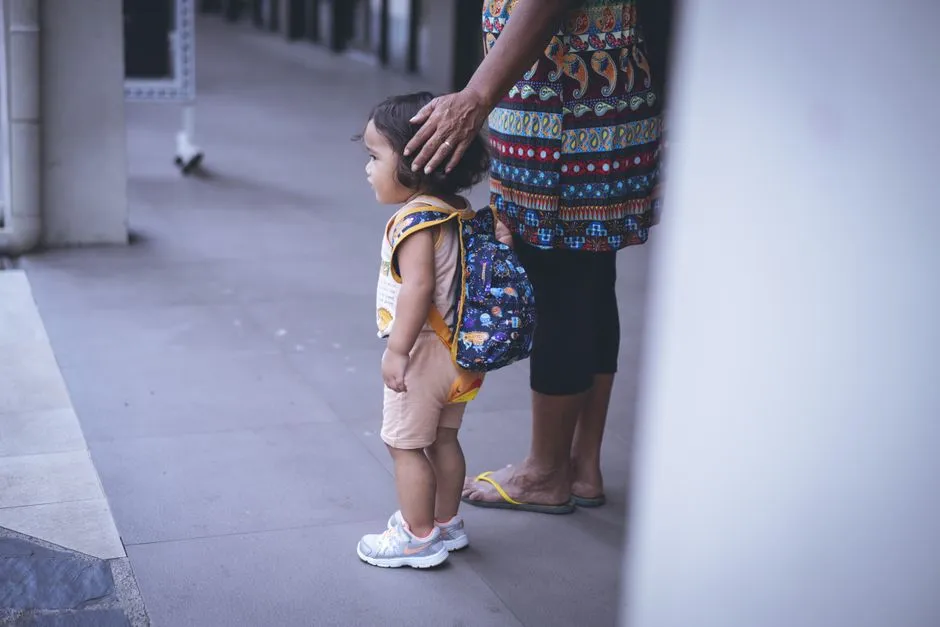
| Kid's Mini Backpack (10-12L) | Ages 3 to 7 | Very Light | Carrying personal toys, snacks, and a water bottle |
| Convertible Cabin Bag | Adults | Lightweight | Flexible packing with hidden backpack straps |
Selecting the Right Kids' Backpack
When choosing a backpack for a younger child, prioritize fit over capacity. The pack should not be wider than the child's torso, and the bottom should rest just above their waist. Look for padded shoulder straps and a chest strap, which helps distribute weight evenly and prevents the straps from slipping off narrow shoulders. Under no circumstances should a child's backpack weigh more than 10% to 15% of their body weight.
The Stroller vs. Baby Carrier Dilemma
For families travelling with infants or toddlers, transport gear is a major consideration. While strollers are convenient, they are highly cumbersome on stairs, public buses, and cobblestones. A high-quality, ergonomic baby carrier is often the superior choice for minimalist travel. It keeps your hands completely free to manage luggage and provides a familiar, soothing environment for your child in busy public spaces. If you must bring a stroller, opt for an ultra-compact model that folds down to fit inside an airplane overhead bin, bypassing the gate-checking process entirely.
How to Pack: Compression and Organization Systems
How you put items into your bag is just as important as what you pack. Utilizing structured organization systems prevents your luggage from becoming a jumbled mess within the first day of travel.
The Power of Packing Cubes
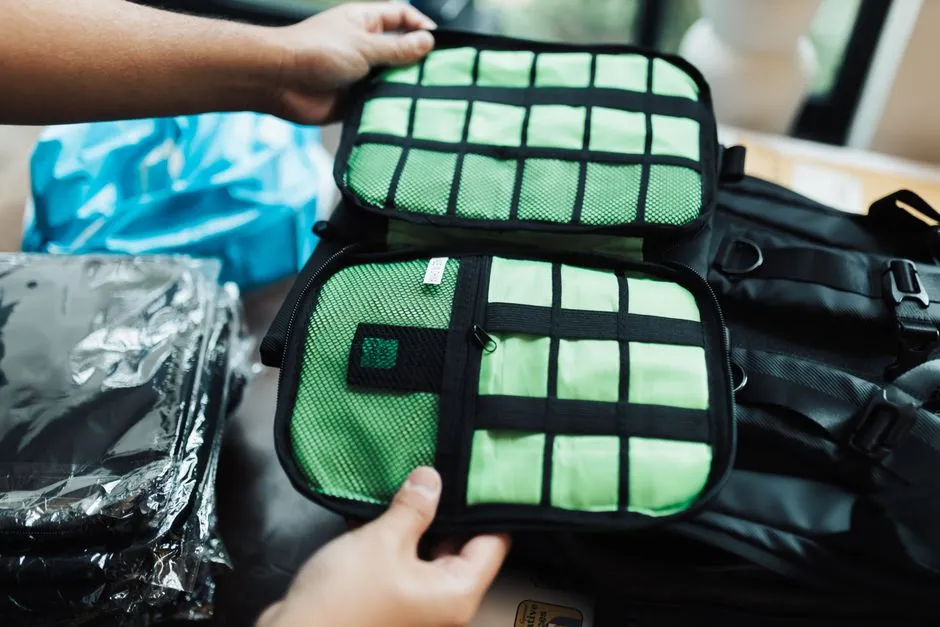
Packing cubes are non-negotiable for organized family travel. Assign a specific color of packing cubes to each family member. This allows you to quickly identify whose clothes are in which bag, even if you are sharing luggage space. Cubes also compress your clothing, forcing out excess air and keeping items flat and wrinkle-free.
The Rolling Method vs. Ranger Rolling
Instead of folding your clothes flat, roll them tightly before placing them into your packing cubes. For even greater space savings, use the "Ranger Roll" technique, which secures each rolled garment into a self-contained bundle using the hem of the clothing item itself. This method prevents garments from unrolling during transit and makes it easy to pull out a single item without disturbing the rest of the cube's contents.
Managing Toiletries and Liquids
To avoid checking bags, all liquids must comply with the standard 3-1-1 rule (containers must be 100ml or less, fitting into a single clear, one-quart bag per person). To maximize this space:
- Switch to solid toiletries wherever possible, including solid shampoo bars, conditioner bars, solid deodorant, and toothpaste tablets.
- Use refillable silicone squeeze bottles for essential liquid items like baby wash or specialty sunscreens.
- Remember that basic toiletries like standard toothpaste, body lotion, and body wash can be purchased at your destination.
NEW — AI Snap & Check: photograph your packed bag and OneBag's AI instantly ticks off your items and warns you about missing essentials (passport, wallet, charger). Plus smart carry-on lists for your exact trip and bag-weight tracking for 80+ airlines — so you never forget a thing or pay an overweight fee.
Age-Specific Packing Checklists
Every developmental stage presents unique packing challenges. Tailoring your list to your child's specific age group ensures you have the essentials without dragging along redundant gear.
Infants and Toddlers (0-2 Years)
The key to packing for infants is focusing on multi-use items and relying on local sourcing for heavy consumables.
Essential Infant Checklist:
- 1 soft structured baby carrier
- 2 swaddle blankets (can be used as blankets, stroller shades, nursing covers, or towels)
- 4 change-of-clothing sets (easy-on onesies)
- Diapers and wipes for the transit day plus 24 hours (buy the rest at your destination)
- 2 silicone bibs (easy to wipe clean in a sink)
- 1 collapsible, medical-grade silicone baby bottle
Preschoolers (3-5 Years)
Preschoolers love to feel independent. Give them control over their own small backpack containing their comfort items and entertainment.
Essential Preschooler Checklist:
- 1 small comfort toy or stuffed animal
- 1 coloring book with a multi-color triangle crayon (triangle crayons won't roll off airplane trays)
- 1 kid-safe volume-limiting headphones
- 4 changes of mix-and-match clothing
- 1 leak-proof, reusable water bottle
- A small selection of high-protein snacks (nuts, dried fruit, or energy bars)
School-Aged Kids and Tweens (6-12 Years)
Older children can take full responsibility for carrying their own gear and managing their personal items during transit.
Essential School-Age Checklist:
- 1 travel backpack (20-30 liters)
- 1 digital tablet preloaded with offline books, games, and educational content
- 4 sets of lightweight, quick-dry clothing
- 1 compact microfiber towel
- 1 small personal journal and pen
Sustaining a Minimalist Wardrobe on the Road
To make a four-day wardrobe last for a multi-week trip, you must establish a simple laundry routine. This does not mean spending hours of your vacation in a laundromat; rather, it involves small, daily habits.
The Sink-Wash Routine
Every evening, take five minutes to wash undergarments and t-shirts in your hotel sink. Use a small travel sink stopper and a few drops of concentrated multi-use liquid soap (such as Dr. Bronner's, which can serve as body wash, shampoo, and laundry soap). Rinse the garments thoroughly, wring them out, and then lay them flat on a clean hotel towel. Roll the towel up tightly with the wet clothes inside and step on it to extract the majority of the moisture. Hang the damp garments to dry overnight; quick-dry fabrics will be completely dry by morning.
Selecting the Right Fabrics
The success of your laundry routine depends heavily on the fabrics you pack. Avoid heavy cottons and denim, which take a long time to dry and retain odors. Instead, opt for:
- Merino Wool: Naturally odor-resistant, temperature-regulating, and quick-drying. A merino wool t-shirt can easily be worn multiple times before needing a wash.
- Polyester and Nylon Blends: Lightweight, durable, and dry exceptionally fast.
- Linen: Excellent for hot climates, highly breathable, and dries rapidly, though it is prone to wrinkling.
Managing Entertainment and Electronics and Keeping It Digital
Physical toys, books, and board games are among the heaviest and bulkiest items families pack. Transitioning to a digital-first entertainment strategy is essential for keeping your bags light.
The One-Device Rule per Child
Instead of packing multiple gaming consoles, books, and drawing pads, consolidate entertainment onto a single tablet per child. Before departing, ensure you have downloaded all content for offline use, including movies, audiobooks, and interactive games. Do not rely on airplane Wi-Fi or hotel internet connections, which are often slow or metered.
Low-Tech, Zero-Bulk Entertainment Ideas
For times when you want to avoid screens, rely on games that require zero physical components. Travel classics like "I Spy," 20 Questions, word games, and storytelling require no packing space whatsoever. A single deck of playing cards takes up minimal space and offers dozens of game variations for the whole family.
Common Mistakes to Avoid
Even experienced travelers can fall back into old habits when packing for children. Watch out for these common pitfalls to keep your luggage light:
- Packing "Just-In-Case" Medications: Do not pack full bottles of every pediatric medication. Instead, pack a tiny, travel-sized first-aid kit with a few single-dose packets of pain relievers, antihistamines, and band-aids. If your child gets sick, local pharmacies are readily accessible worldwide and can provide the exact treatments needed.
- Bringing Heavy Books: Physical books are incredibly heavy. Invest in an e-reader or load digital books onto your tablet to carry an entire library in a device thinner than a single paperback.
- Buying "Kid-Specific" Travel Gear: Avoid novelty items like ride-on suitcases or specialized toddler travel beds unless you are absolutely certain you will use them on every single leg of your journey. They often end up as dead weight that parents have to carry when the child tires of them.
- Neglecting to Test-Run the Bags: Never leave for the airport without having your children walk around the block carrying their fully packed bags. This test run quickly reveals if a pack is too heavy or uncomfortable, allowing you to remove items before your trip officially begins.
- Overpacking Snacks: While snacks are vital for preventing meltdowns, packing a two-week supply of specific brand-name snacks is unnecessary. Pack enough for the transit day, and enjoy exploring local grocery stores at your destination to discover new, interesting snacks with your kids.
Frequently Asked Questions
How do I handle diapers and wipes when travelling with a baby?
Pack only enough diapers and wipes to cover your travel days plus your first 24 hours at your destination. Once you arrive, head to a local supermarket or pharmacy to buy a full pack for the rest of your stay. This keeps your luggage light during transit and allows you to easily replenish your supply as you move from place to place.
What do I do if my child's carry-on bag is too heavy for the airline limit?
If you face strict airline weight limits, redistribute the heaviest items (like power banks, tablets, or heavy shoes) to your personal items or wear them on your body. Utilizing pockets on your travel jackets is an excellent way to bypass weight checks, as airlines rarely weigh the clothing you are actively wearing.
How can I wash clothes if my hotel doesn't have a laundry service?
You can easily wash clothes in your hotel room sink using travel-friendly liquid detergent or solid laundry soap sheets. For larger loads, search for a local self-service laundromat near your accommodation, or use a drop-off wash-and-fold service, which is common and highly affordable in many travel destinations worldwide.
Should I pack a car seat for travel?
If you plan to use rental cars or taxis extensively, check the local car seat laws of your destination via official resources like the World Health Organization road safety guidelines. If a seat is required, consider renting one along with your rental car, or invest in an ultra-lightweight, FAA-approved travel car seat or safety vest designed specifically for portable use.
How do I keep my kids from complaining about carrying their own bags?
Involve your children in the packing process from the very beginning. Let them choose which toys and comfortable clothes go into their pack, and explain that they are responsible for their own belongings. Keep their packs extremely light (under 10% of their body weight) to ensure they do not become physically fatigued during transit.
How do I manage wet or dirty clothes while on the go?
Always pack a lightweight, collapsible wet bag or a simple nylon laundry bag in each suitcase. This keeps dirty or damp clothing completely isolated from your clean garments, preventing odors from transferring and making it easy to dump the entire contents straight into a washing machine when you have the opportunity.
Travelling with your family does not have to mean managing a logistics train of heavy luggage. By embracing a minimalist approach, choosing the right versatile gear, and sticking to a disciplined packing list, you can focus on the joy of exploring new places with your children. Pack light, move freely, and enjoy the journey.

Independent Full Stack Developer · Founder of Tabserve
Aycan builds and maintains Tabserve's apps — OneBag, Routevia and RentFlow — and writes practical, tested guides to help you pack smarter, travel better and manage rentals with less hassle.