The Ultimate Guide to Carry-On Toiletry Bag Essentials: Master the TSA 3-1-1 Rule
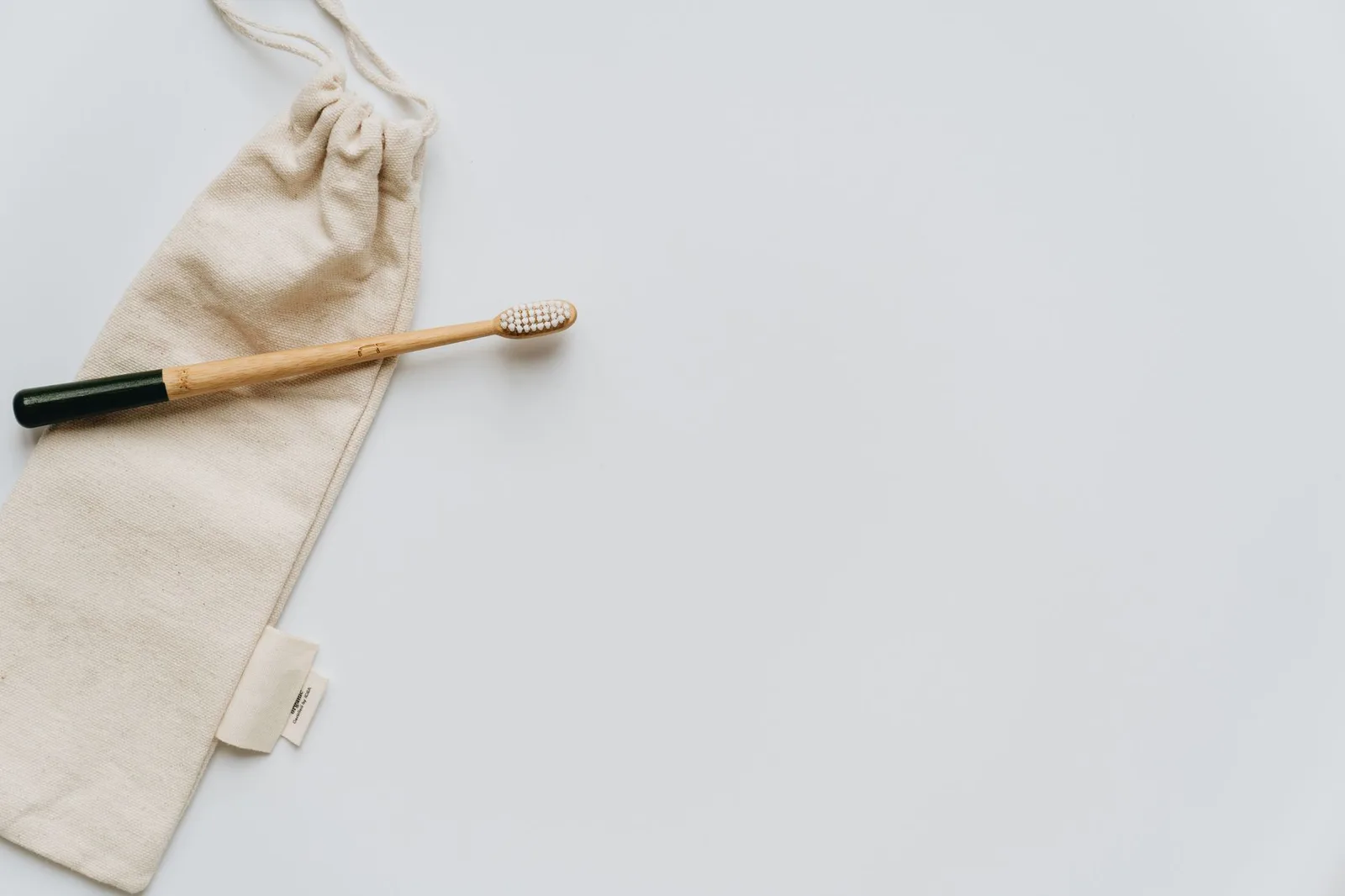
Navigating airport security requires a strategic approach to your carry-on toiletry bag essentials. By understanding the strict TSA 3-1-1 liquids rule, swapping heavy liquids for lightweight solid alternatives, and utilizing multi-use hygiene products, you can easily fit all your grooming necessities into a single quart-sized bag. This comprehensive guide details exact packing lists, product categories, and weight-saving strategies to keep your luggage light and security-compliant.
Packing for a flight with only a cabin bag is an art form, and the most challenging masterpiece to paint is your toiletry kit. Between strict government security regulations, limited physical space, and the risk of messy spills inside your luggage, selecting your carry-on toiletry bag essentials requires careful planning. You cannot simply throw your daily bathroom routine into a duffel bag and hope for the best.
Contents
- Key Takeaways
- Understanding the TSA 3-1-1 Liquids Rule
- The Ultimate Carry-On Toiletry Bag Essentials Checklist
- Liquid vs. Solid Toiletries: The Space-Saving Revolution
- How to Choose the Perfect Toiletry Bag
- Step-by-Step Guide to Decanting and Packaging
- First-Aid and Medication Essentials for Cabin Baggage
- Common Mistakes to Avoid
- Frequently Asked Questions
- Master Your Packing Strategy
Key Takeaways
- The TSA 3-1-1 rule restricts all liquids, aerosols, gels, creams, and pastes to containers of 3.4 ounces (100ml) or less, all fitting within a single quart-sized clear bag.
- Transitioning to solid cosmetics (like shampoo bars, tablet toothpaste, and stick deodorants) eliminates liquid volume issues and prevents messy spills.
- Decanting your favorite premium products into reusable silicone bottles is more cost-effective and environmentally friendly than buying pre-packaged travel-sized items.
- A strategic packing order places your clear liquids bag at the very top of your carry-on for quick retrieval at the security screening checkpoint.
To travel efficiently, you must audit your daily routine, separate your absolute necessities from your luxury items, and understand the physical limitations of aviation security. This guide provides a complete blueprint to optimizing your personal care kit so you can breeze through airport security without losing expensive products to the disposal bin.
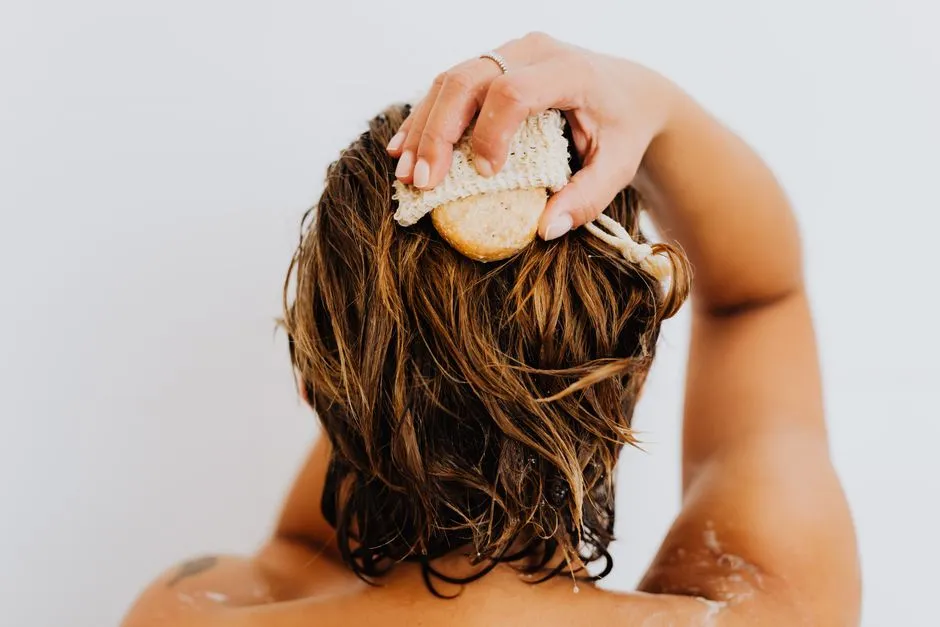
Understanding the TSA 3-1-1 Liquids Rule
Before selecting your carry-on toiletry bag essentials, you must master the fundamental regulation governing aviation security worldwide: the Transportation Security Administration (TSA) liquids rule. Often referred to as the 3-1-1 rule, this standard is mirrored by aviation authorities across Europe, Asia, and the Americas.
The Breakdown of 3-1-1
The numbers in the 3-1-1 rule represent the three core constraints of carrying liquids onto a commercial aircraft:
- 3.4 Ounces (100ml): All liquid, gel, aerosol, cream, and paste products must be stored in containers with a maximum capacity of 3.4 fluid ounces or 100 milliliters. It is critical to note that this rule applies to the container size, not the actual amount of liquid remaining inside. A 6-ounce tube of toothpaste that is nearly empty will still be confiscated.
- 1 Quart Bag: All individual 3.4-ounce containers must fit comfortably inside a single, clear, plastic, resealable bag measuring approximately 7 by 8 inches. This is roughly equivalent to a standard one-quart zip-top food storage bag.
- 1 Bag Per Passenger: Each traveler is permitted only one quart-sized liquids bag in their carry-on luggage.
What Counts as a Liquid?
Security officers use a broad definition for liquids. If you can pour it, squeeze it, spray it, smear it, or spread it, it is classified as a liquid. This includes unexpected items such as peanut butter, creamy cheeses, gel shoe inserts, mascara, liquid foundation, and aerosol deodorants. Knowing this distinction helps you organize your gear before you reach the conveyor belt.
The Ultimate Carry-On Toiletry Bag Essentials Checklist
To build a highly functional kit, it helps to categorize your items. Below is a comprehensive breakdown of the essential toiletries you should pack, divided by function.
Dental Hygiene
Maintaining oral health on the road is non-negotiable. Because dental items are used multiple times daily, they should be easily accessible.
- Travel Toothbrush: A folding toothbrush or a compact electric toothbrush with a protective travel cap.
- Toothpaste: A travel-sized tube (typically 0.8 to 2.4 ounces) or waterless toothpaste tablets.
- Dental Floss: A standard small dispenser or individual floss picks.
- Mouthwash (Optional): A small 1-ounce bottle, or solid mouthwash tabs that dissolve in water.
Skincare and Face Care
Airplane cabins are notoriously dry environments, with humidity levels often dropping below 20 percent. Keeping your skin hydrated is essential for comfort.
- Facial Cleanser: A gentle wash decanted into a 1-ounce squeeze bottle, or dry cleansing powder that activates with water.
- Moisturizer: A rich face cream or lotion to combat dry cabin air.
- Sunscreen: A broad-spectrum SPF 30 or higher. This is a vital health item, regardless of your destination's climate.
- Lip Balm: A hydrating balm or ointment to prevent chapped lips during long flights.
Hair Care and Body Wash
While many hotels provide basic hair and body care products, they are often harsh or poor quality. Packing your own ensures your hair and skin remain healthy.
- Shampoo and Conditioner: Decanted into leak-proof silicone bottles, or substituted with solid bars.
- Body Wash or Soap: A small liquid wash or a travel-sized bar of soap in a breathable soap pouch.
- Hair Styling Product: A small tub of pomade, wax, gel, or a travel-sized spray.
- Hairbrush or Comb: A compact, wide-tooth comb or a folding brush.
Shaving and Grooming
Keep your grooming routine minimal but effective. Focus on multi-use items that reduce bulk.
- Safety Razor: Standard cartridge razors and disposable razors are permitted in carry-on baggage by the TSA, whereas loose safety razor blades are strictly prohibited.
- Shaving Cream: A small tube of shave gel or a solid shave soap bar.
- Nail Clippers and Tweezers: Allowed in carry-on bags as long as the blades are shorter than 4 inches.
- Deodorant: A solid stick or roll-on (which does not count toward your liquid limit if it is a dry solid).
Liquid vs. Solid Toiletries: The Space-Saving Revolution
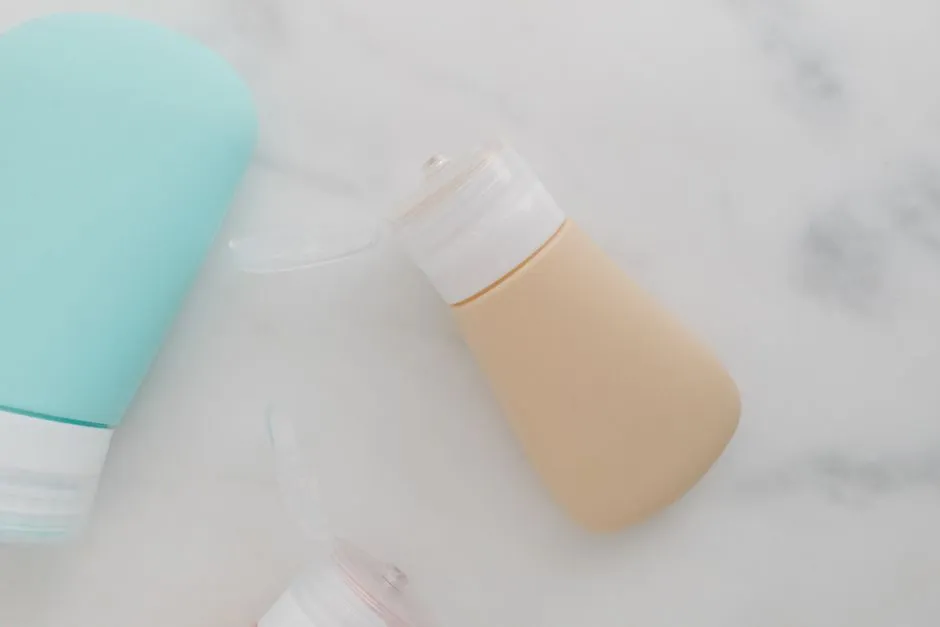
One of the most effective ways to maximize space among your carry-on toiletry bag essentials is to replace liquid products with solid alternatives. By converting liquids to solids, you bypass the TSA 3-1-1 restriction entirely, freeing up valuable space in your quart-sized bag for items that must remain liquid (like prescription creams or liquid foundation).
| Product Type | Liquid Option | Solid Alternative | Best For |
|---|---|---|---|
| Hair Cleansing | Liquid Shampoo (bottled) | Shampoo Bar | Minimalist travelers; long trips |
| Dental Care | Standard Toothpaste | Toothpaste Tablets | Eco-friendly travelers; weight savings |
| Fragrance | Liquid Cologne/Perfume | Solid Wax Cologne | Spill prevention; quick touch-ups |
| Skin Cleansing | Liquid Body Wash | Bar Soap / Paper Soap Sheets | Short weekend trips; ultralight packing |
| Sun Protection | Liquid SPF Lotion | Sunscreen Stick | Active outdoor travel; easy application |
The Benefits of Going Solid
Beyond regulatory compliance, solid toiletries offer several practical advantages for frequent flyers:
Zero Risk of Spills
Changes in cabin pressure during flights cause air to expand inside plastic bottles, which frequently forces liquid products out through the cap. A solid bar of shampoo or a stick of deodorant cannot leak, saving your clothes and electronics from messy spills.
Reduced Weight and Bulk
Liquid toiletries are heavy because they are primarily composed of water. Solid cosmetics are highly concentrated, meaning they pack more uses into a smaller, lighter package. A single 2-ounce shampoo bar can last as long as two 8-ounce bottles of liquid shampoo.
Eco-Friendly Packaging
Most solid toiletries are packaged in recyclable paper or reusable tins rather than single-use plastic bottles, making them a superior choice for environmentally conscious travelers.
How to Choose the Perfect Toiletry Bag
Your carry-on toiletry bag essentials need a high-quality home. The right bag protects your luggage from leaks, organizes your items for easy access, and speeds up your journey through security checkpoints.
Material Matters: Clear vs. Opaque
While the TSA officially states that liquids must be placed in a clear, quart-sized bag, enforcement varies by airport and country. In many European airports, security officers require you to use the specific plastic bags provided at the security line. In the United States, a clear, durable TPU (Thermoplastic Polyurethane) cosmetic bag with a zipper is highly accepted and lasts much longer than a disposable kitchen zip-top bag.
TPU vs. PVC Bags
When shopping for a clear toiletry bag, look for TPU rather than PVC. TPU is more flexible, biodegradable, scratch-resistant, and does not yellow over time or emit a strong chemical odor.
Hanging vs. Countertop Designs
Consider how you will use your bag once you arrive at your destination:
- Hanging Toiletry Bags: These bags unfold to reveal a hook that hangs from towel racks, shower rods, or coat hooks. They are excellent for small hotel bathrooms or hostels with limited counter space. However, they tend to be bulkier and may not fit easily into a tight carry-on.
- Flat-Lay Pouches: These are simple, rectangular pouches that sit flat on a bathroom counter. They are highly packable and slide easily into the external pockets of travel backpacks.
Zippers and Seams
A toiletry bag is only as good as its construction. Look for bags with water-resistant zippers (such as YKK AquaGuard) and welded seams. If a bottle leaks inside, a well-sealed bag will contain the liquid, preventing it from ruining your clean clothes.
NEW — AI Snap & Check: photograph your packed bag and OneBag's AI instantly ticks off your items and warns you about missing essentials (passport, wallet, charger). Plus smart carry-on lists for your exact trip and bag-weight tracking for 80+ airlines — so you never forget a thing or pay an overweight fee.
Step-by-Step Guide to Decanting and Packaging
Buying pre-packaged travel-sized toiletries at the grocery store is expensive and limits you to mass-market brands. Decanting your preferred daily products into reusable travel containers is a smarter, more personalized approach.
Step 1: Choose the Right Containers
Not all travel bottles are created equal. Use food-grade, BPA-free silicone squeeze bottles for thick liquids like shampoo, conditioner, and body wash. Silicone is flexible, allowing you to squeeze out every drop of product. For thin, watery liquids like facial toners, micellar water, or hair oils, use hard plastic spray or dropper bottles.
Step 2: Leave Room for Expansion
When filling your travel bottles, never fill them to the absolute brim. Leave roughly 10% empty space at the top. This headspace allows the air inside to expand and contract with cabin pressure changes without forcing the product out of the lid.
Step 3: Label Everything Clearly
White lotion looks identical to white conditioner and white facial cleanser. Use a waterproof label maker, permanent marker, or color-coded silicone bands to label each container. This saves time and prevents frustrating mix-ups in the shower.
Step 4: Seal the Threads
For extra security against leaks, unscrew the cap of your decanted bottle, place a small square of plastic cling wrap over the open neck, and screw the cap back on tightly over the plastic. This creates an airtight secondary seal.
First-Aid and Medication Essentials for Cabin Baggage
Your carry-on toiletry bag essentials should also include a small, dedicated section for basic health and first-aid items. You should never pack essential medications in checked luggage, as bags can be delayed, lost, or subjected to extreme temperature fluctuations in the aircraft cargo hold.
Prescription Medications
Always keep prescription medications in their original pharmacy containers with your name and dosage clearly printed on the label. If you are traveling internationally, carry a copy of your doctor's prescription or a medical letter explaining your need for the medication. Note that liquid prescription medications are exempt from the TSA 3-1-1 rule, but you must declare them to security officers for inspection before screening begins.
Over-the-Counter Essentials
Pack a small pill organizer or travel-sized blister packs containing:
- Pain Relievers: Ibuprofen, acetaminophen, or aspirin.
- Antihistamines: For unexpected allergic reactions or seasonal allergies.
- Motion Sickness Medication: Dimenhydrinate or ginger tablets for turbulent flights or bumpy boat rides.
- Digestive Aid: Loperamide or antacids for stomach issues.
Basic First-Aid Supplies
A minimalist first-aid kit takes up almost no space but is incredibly valuable when needed:
- A few adhesive bandages in various sizes.
- Blister cushions or moleskin (essential for walking-heavy trips).
- Antiseptic wipes to clean small cuts or sanitize surfaces.
Common Mistakes to Avoid
Even experienced travelers make mistakes when packing their personal care kits. Avoid these common pitfalls to ensure a stress-free travel experience:
- Packing full-sized items because they are "almost empty": Security officers look at the maximum capacity printed on the bottle, not how much liquid is inside. A 200ml tube of lotion will be confiscated even if it only contains 10ml of product.
- Forgetting that solid sticks can still be classified as liquids: Certain soft-solid products, like gel deodorants, paste-like hair waxes, or creamy lipsticks, can sometimes be flagged as liquids depending on the airport. When in doubt, place them in your clear liquids bag.
- Not testing bottles before your trip: Always test new travel bottles with water first. Squeeze them to check for leaks and ensure the caps snap shut securely.
- Burying your liquids bag at the bottom of your suitcase: If you are traveling through an airport that requires you to remove your liquids bag for screening, keep it in an easily accessible outer pocket of your backpack or suitcase.
- Buying expensive pre-made travel kits: Pre-made kits often contain low-quality products, generic brands, and items you do not actually need. Build your own kit tailored to your specific skin and hair needs.
Frequently Asked Questions
What are the absolute carry-on toiletry bag essentials?
The absolute essentials include a toothbrush, travel-sized toothpaste, deodorant, hairbrush or comb, all-in-one soap or body wash, shampoo, facial moisturizer, and any daily prescription medications. These items cover basic hygiene, dental health, and skin comfort during a standard trip.
How do I pack liquid toiletries in a carry-on without them leaking?
To prevent leaks, use high-quality silicone bottles with self-sealing valves. Fill them to about 90% capacity to leave room for air expansion caused by cabin pressure changes. For extra security, place a piece of plastic wrap over the bottle opening before screwing on the cap, and always pack your liquids in a water-resistant, sealed pouch.
Can I bring a razor in my carry-on bag?
Yes, you can bring standard disposable razors and cartridge razors (where the blades are embedded in a plastic cartridge) in your carry-on luggage. However, safety razors that use loose, removable blades, and straight razors, are strictly prohibited in the cabin and must be packed in checked luggage.
Are solid toiletries subject to the TSA 3-1-1 rule?
No. Solid toiletries, such as bar soap, solid shampoo and conditioner bars, stick deodorant, and toothpaste tablets, are completely exempt from the TSA 3-1-1 liquids rule. You can pack as many of these items as you like in your carry-on luggage without needing to place them in a clear plastic bag.
Do wet wipes or makeup remover wipes count as liquids?
No, wet wipes, baby wipes, and makeup remover wipes are not classified as liquids by the TSA. You can pack them freely in your carry-on luggage outside of your quart-sized liquids bag, making them an excellent alternative to liquid facial cleansers.
Can I bring full-sized prescription liquid medications?
Yes. The TSA allows larger amounts of medically necessary liquids, gels, and aerosols in reasonable quantities for your trip. You must declare these items to security officers at the checkpoint for manual inspection, and it is highly recommended to keep them in their original labeled containers alongside a doctor's note.
Is a quart-sized bag big enough for a week-long trip?
Yes, a quart-sized bag is more than enough for a week-long trip if you pack strategically. By decanting products into small 1-ounce or 2-ounce containers (which is plenty of product for 7 to 10 days) and swapping liquids like shampoo and soap for solid bars, you will have plenty of space left over.
Master Your Packing Strategy
Streamlining your carry-on toiletry bag essentials is a major step toward stress-free, minimalist travel. By choosing high-quality, reusable containers, embracing solid cosmetics, and strictly adhering to airport security regulations, you can travel confidently with just a cabin bag. For more expert travel advice and smart packing strategies, explore the resources on Wikipedia's travel toiletries reference page to optimize your journey.

Independent Full Stack Developer · Founder of Tabserve
Aycan builds and maintains Tabserve's apps — OneBag, Routevia and RentFlow — and writes practical, tested guides to help you pack smarter, travel better and manage rentals with less hassle.