The Ultimate Winter Sports Packing List: Ski & Snowboard Essentials
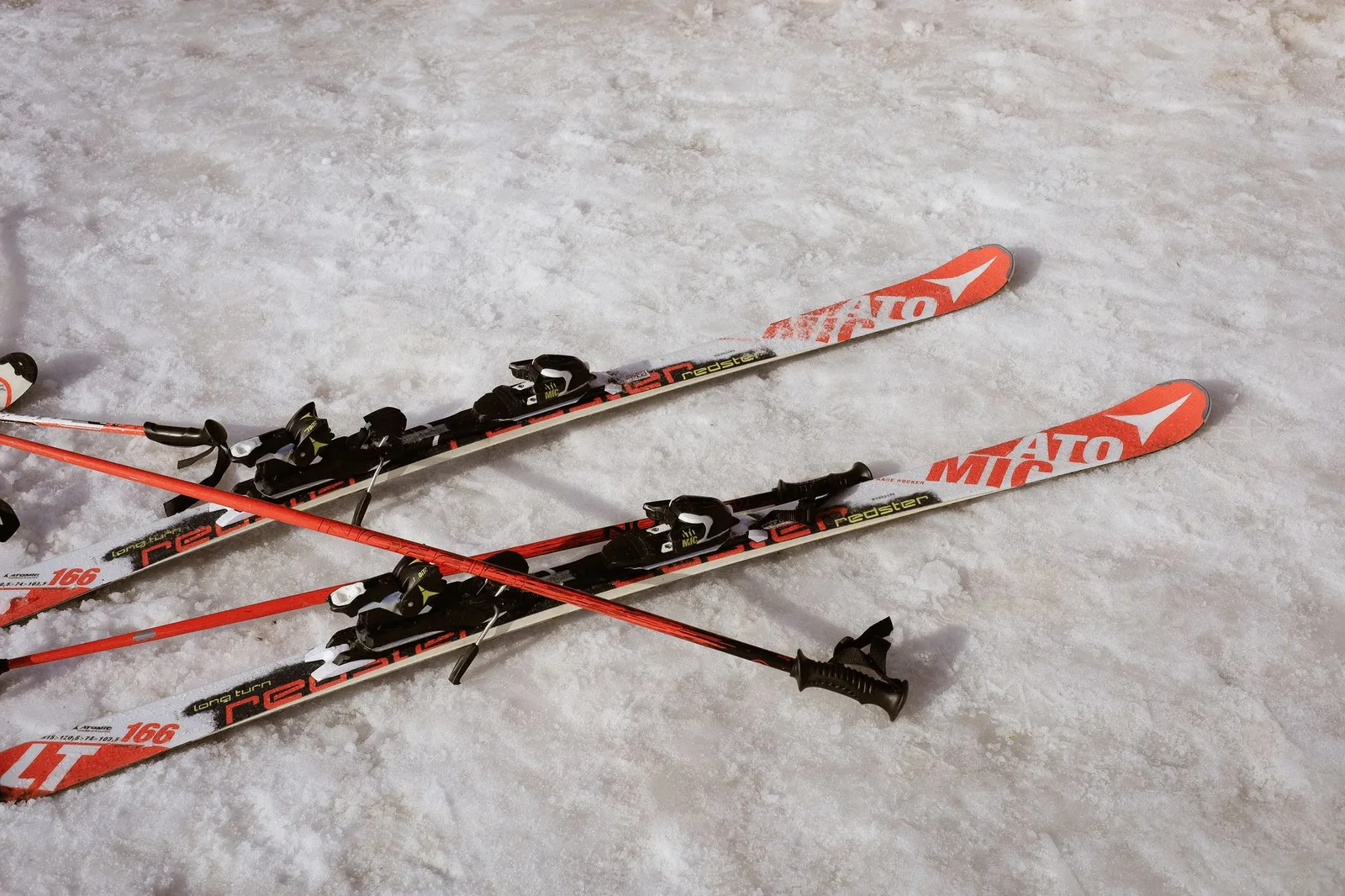
Packing for a ski or snowboard trip requires balancing high-performance technical gear with strict airline weight limits. This ultimate winter sports packing list breaks down the essential three-layer clothing system, hardware requirements, and off-slope necessities. Learn how to pack efficiently, protect your expensive gear in transit, and organize your bags to avoid costly oversized baggage fees at the airport.
Heading to the mountains for a ski or snowboard vacation is incredibly exciting, but packing for sub-zero temperatures and high-altitude conditions is notoriously difficult. Unlike a standard beach holiday where you can easily buy what you forgot, missing a critical piece of technical gear on a mountain peak can ruin your day, or worse, compromise your safety. The sheer volume of bulky outerwear, safety equipment, and casual wear makes it incredibly easy to exceed standard airline baggage allowances.
Contents
Key Takeaways
- Master the three-layer system (moisture-wicking base, insulating mid-layer, and weatherproof outer shell) to stay dry and warm in changing alpine climates.
- Always pack your high-value, hard-to-replace items like custom-molded ski boots, goggles, and technical outerwear in your carry-on bag.
- Utilize specialized packing techniques like rolling technical apparel into your helmet and wrapping snowboard bindings to maximize space and protect gear.
- Keep a strict eye on airline weight limits, as winter sports bags easily cross the typical 23kg (50lbs) threshold.
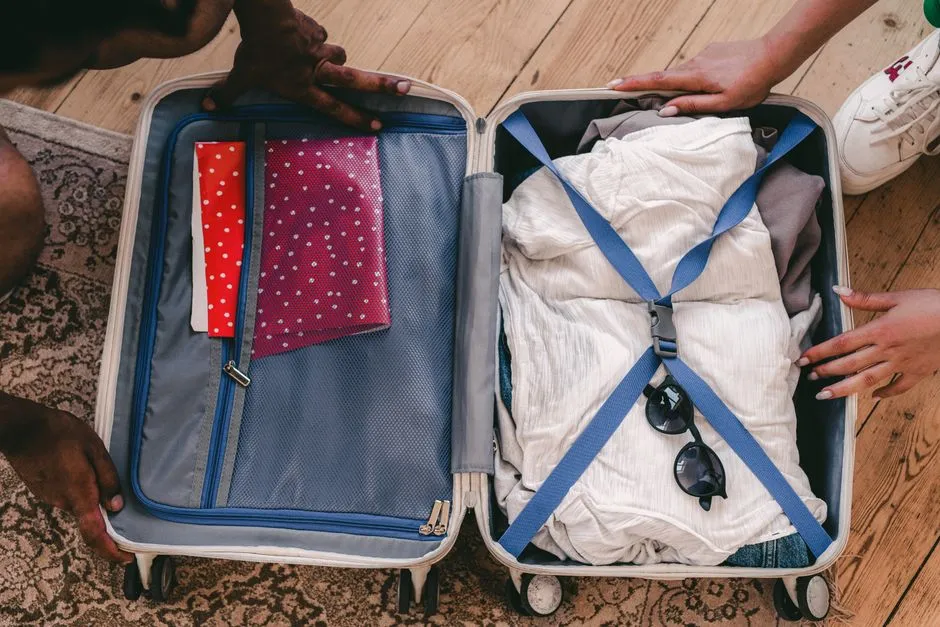
Understanding the Alpine Climate and Layering System
To pack efficiently, you must understand how outdoor apparel works in alpine environments. The key to staying warm on the mountain is not wearing the thickest single jacket you can find; it is regulating your body temperature through a strategic three-layer system. This approach allows you to adapt to changing weather conditions, from freezing morning chairlift rides to sunny afternoon runs.
The Base Layer (Moisture Management)
The base layer sits directly against your skin. Its primary job is to pull sweat away from your body so you do not freeze when you stop moving. Look for materials like merino wool or high-quality synthetics (polyester/polypropylene blends). Avoid cotton at all costs, as it retains moisture and will keep you cold and wet all day.
- Merino Wool: Naturally odor-resistant, highly breathable, and retains insulating properties even when damp.
- Synthetic Fibers: Dries exceptionally fast, highly durable, and often more budget-friendly than wool.
The Mid-Layer (Insulation)
The mid-layer traps the warm air generated by your body. Depending on the temperature forecast, you can stack mid-layers or choose different thicknesses. Common options include lightweight fleece jackets, grid fleeces, or packable down/synthetic puffer jackets. For active riding in warmer spring conditions, a lightweight fleece is usually sufficient, while mid-winter trips demand a lofted down jacket under your shell.
The Outer Layer (Weather Protection)
Your outer jacket and pants (often called shells) act as your shield against wind, snow, and rain. Look for technical outerwear with high waterproof and breathability ratings (measured in millimeters, such as 15,000mm to 30,000mm). Features like taped seams, powder skirts, underarm ventilation zippers (pit zips), and adjustable hoods are critical for comfort.
The Complete Winter Sports Packing List
To ensure nothing is left behind, we have broken down the ultimate winter sports packing list into logical categories. Use this structured guide to check off your gear as you pack your bags.
On-Slope Technical Clothing
- Base layer tops (2-3): Merino wool or synthetic long-sleeve shirts.
- Base layer bottoms (2-3): Matching full-length or 3/4-length leggings (3/4 length prevents bunching inside ski boots).
- Mid-layer fleece or puffer jacket (1-2): For adjustable insulation.
- Ski/Snowboard jacket (1): Waterproof, windproof, and breathable.
- Ski/Snowboard pants or bibs (1): Bibs offer superior protection against deep powder snow.
- Ski socks (3-4 pairs): Over-the-calf socks specifically designed for skiing or snowboarding. Do not wear everyday athletic socks, and never double-up on socks, as this causes friction blisters and restricts blood circulation.
Hardware and Safety Gear
If you own your equipment, these items are non-negotiable. If you plan to rent, check with your destination shop ahead of time to confirm availability.
- Skis or Snowboard: Tuned, waxed, and ready for the terrain.
- Ski or Snowboard boots: The most critical piece of gear. If you own custom-molded boots, always travel with them as carry-on luggage.
- Ski poles: Fixed-length or collapsible poles.
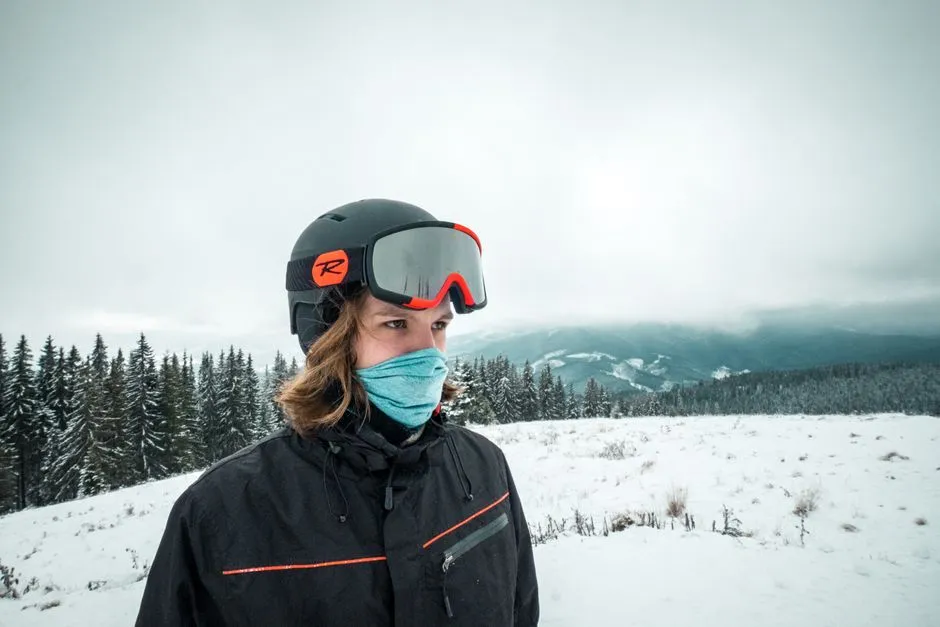
- Helmet: A modern, certified snow sports helmet (preferably with MIPS technology).
- Goggles: Pack both low-light (yellow/pink) and bright-light (mirrored/dark) lenses, or a photochromic lens that adapts automatically.
- Gloves or Mittens (2 pairs): Waterproof and insulated. Mittens generally keep hands warmer than gloves. Pack a lighter liner glove pair as well.
- Avalanche safety gear (if riding off-piste): Beacon, shovel, and probe. Ensure you know how to operate these and check battery levels before leaving.
Off-Slope and Après-Ski Wear
When the lifts close, you need comfortable, warm clothing for walking around the resort village, dining, and relaxing.
- Beanie/Warm hat (1-2): To cover helmet hair and keep your head warm post-shred.
- Waterproof winter boots (1 pair): High-traction soles are essential for walking on icy village pathways.
- Casual pants/Jeans (2 pairs): For dinners and evening outings.
- Sweaters/Hoodies (2-3): Warm layers for indoor comfort.
- Swimwear (1): Essential for outdoor hot tubs, saunas, and heated resort pools.
- Underwear and casual socks: Enough for the duration of your trip.
Toiletries and Personal Care
High altitudes and cold winds can be brutal on your skin and eyes. Do not forget these specialized self-care items:
- High-SPF Sunscreen: Snow reflects up to 80% of UV radiation, increasing your risk of sunburn significantly.
- UV-blocking lip balm: To prevent painful windburn and chapped lips.
- Moisturizer and hand cream: High-altitude mountain air is incredibly dry.
- Goggle wipe/Microfiber cloth: To clean snow and condensation off your lenses without scratching them.
- Hand and toe warmers: Single-use or rechargeable air-activated heating packets.
NEW — AI Snap & Check: photograph your packed bag and OneBag's AI instantly ticks off your items and warns you about missing essentials (passport, wallet, charger). Plus smart carry-on lists for your exact trip and bag-weight tracking for 80+ airlines — so you never forget a thing or pay an overweight fee.
Ski vs. Snowboard Packing: Key Differences
While the basic layering principles remain identical, there are distinct structural differences in how skiers and snowboarders pack their gear. Understanding these nuances helps optimize luggage space.
| Gear Category | Ski Packing Needs | Snowboard Packing Needs | Packing Strategy |
|---|---|---|---|
| Boots | Rigid, heavy plastic construction. Bulky and hard to compress. | Softer, more flexible construction. Slightly easier to squeeze into tight spaces. | Keep ski boots in a dedicated boot bag or carry-on. Snowboard boots can sometimes be stuffed with socks to save space. |
| Hardware Protection | Sharp metal edges can cut clothing. Bindings are fixed. | Bindings can be removed or folded flat. Wide, flat board surface. | Wrap ski brakes with rubber bands. Remove snowboard bindings if trying to fit two boards in one travel bag. |
| Poles & Tools | Requires long, thin poles that need secure placement. | Requires a pocket-sized multi-tool for binding adjustments. | Place ski poles along the inner spine of your roller bag for structural support. |
How to Pack Your Ski or Snowboard Bag Like a Pro
Packing a specialized wheelie ski or snowboard bag requires a systematic approach to protect your expensive gear and stay within airline weight limits. Follow this step-by-step packing sequence:
Step 1: Lay the Foundation
Place your skis or snowboard flat at the bottom of the bag. If you are packing multiple boards, remove the bindings from the bottom board and place it face down, then place the second board (with bindings attached) face up on top of it, separated by a towel or thin foam sheet. Secure the boards using the internal compression straps built into your bag.
Step 2: Protect the Tips and Tails
The nose and tail of your snowboard, as well as the tips of your skis, are the most vulnerable points during transit. Wrap your bulky outerwear (like your ski pants and technical jacket) around these areas. This provides a thick, protective cushion against baggage handlers tossing your bag.
Step 3: Maximize Boot Space
If you must pack your boots in your checked wheelie bag rather than your carry-on, place them in the middle of the bag, near the wheel axle. This keeps the heaviest center of gravity close to the wheels, making the bag much easier to roll through airport terminals. Fill the empty interior of your boots with rolled-up ski socks, underwear, or small accessories.
Step 4: Fill the Gaps with Soft Goods
Roll your remaining clothing items (base layers, mid-layers, and casual clothes) into tight cylinders. Stuff these rolls into the voids around your bindings and along the sides of the bag. This prevents your gear from shifting during transit and creates a solid, structural package that resists bending.
Protecting Your Helmet and Goggles
Your helmet and goggles are highly fragile. Never place goggles loose in a bag where the lens can scratch or crack. Store your goggles inside your helmet, wrapped in their microfiber pouch. Fill the remaining cavity of the helmet with delicate items like gloves or neck gaiters to create a protective dome.
Common Mistakes to Avoid
- Overpacking heavy cotton clothing: Thick cotton hoodies and heavy jeans take up massive amounts of space and dry incredibly slowly if they get damp. Swap them for lightweight, technical synthetic fleeces or merino wool sweaters.
- Forgetting to dry gear before packing for the return journey: Packing damp boots, skins, or outerwear into a sealed bag for a long flight home will result in mold, mildew, and rusted steel edges on your skis or board. Always dry your gear thoroughly near a heater the night before departure.
- Assuming rental shops have your size: If you have very small or very large feet, or require a specific helmet size, do not assume the resort rental shop will have you covered. Call ahead or pack your own essential fitting gear.
- Neglecting airline bag policies: Many airlines allow a ski bag and a boot bag to count as a single checked item, provided they only contain sports equipment. Check your specific carrier's rules on Wikipedia's summary of baggage allowances to avoid unexpected fees at the check-in desk.
- Packing wet wipes or liquids in outer gear pockets: Temperatures in cargo holds and on mountain transfers can drop below freezing, turning liquid toiletries and wipes into solid, useless blocks, or causing bottles to burst under pressure. Keep all liquids in a sealed toiletry bag inside your main suitcase.
Frequently Asked Questions
Should I pack my ski boots in my carry-on luggage?
Yes, whenever possible, you should pack your ski or snowboard boots in your carry-on luggage. While you can easily rent high-quality skis, snowboards, and outerwear at almost any resort, finding a rental boot that perfectly matches your foot shape is incredibly difficult. If your checked luggage is delayed or lost, having your own boots ensures you can still ski comfortably in rental gear.
What waterproof rating should my ski jacket have?
For resort skiing and snowboarding, look for an outer shell with a waterproof rating of at least 15,000mm. If you frequently ride in wet, heavy snow conditions (such as the Pacific Northwest) or enjoy deep backcountry touring, upgrade to a rating of 20,000mm to 30,000mm (such as Gore-Tex) to ensure you stay completely dry throughout the day.
How many pairs of ski socks do I need for a week-long trip?
For a six-day ski trip, you should pack at least 3 to 4 pairs of high-quality merino wool ski socks. Because merino wool is naturally antimicrobial and odor-resistant, you can easily wear each pair for two days of riding without any issues. Hang them up to air out thoroughly immediately after you finish riding each afternoon.
Can I pack regular clothes in my ski wheelie bag?
Yes, packing regular clothes inside your ski or snowboard bag is an excellent way to pad your gear and save space in your main suitcase. However, be highly conscious of the total weight. Bulky bags encourage overpacking, and it is incredibly easy to exceed the standard 23kg (50lbs) airline limit. Use a reliable scale before leaving for the airport.
Are mittens warmer than gloves for winter sports?
Yes, mittens are inherently warmer than gloves. By keeping your fingers together in a single shared air pocket, your hand generates and retains heat much more efficiently. If you suffer from cold hands or ride in extremely cold, sub-zero climates, high-quality waterproof mittens are highly recommended over traditional five-finger gloves.
Do I need to pack a specialized tool for my snowboard bindings?
Yes, you should always pack a pocket-sized snowboard multi-tool. The constant vibrations and temperature fluctuations of riding can cause the mounting screws on your bindings to loosen over time. Having a tool on hand allows you to make quick adjustments on the mountain without having to hike to a resort repair shop.
Preparing for a winter sports adventure does not have to be a stressful experience of guessing weights and cramming bulky gear into tight corners. By adhering to the three-layer system, securing your fragile hardware, and systematically packing your bags, you can step onto the plane with absolute confidence that you are prepared for whatever the mountain throws your way.

Independent Full Stack Developer · Founder of Tabserve
Aycan builds and maintains Tabserve's apps — OneBag, Routevia and RentFlow — and writes practical, tested guides to help you pack smarter, travel better and manage rentals with less hassle.