How to Avoid Checked Bag Fees: The Ultimate Guide to Flying Carry-On Only
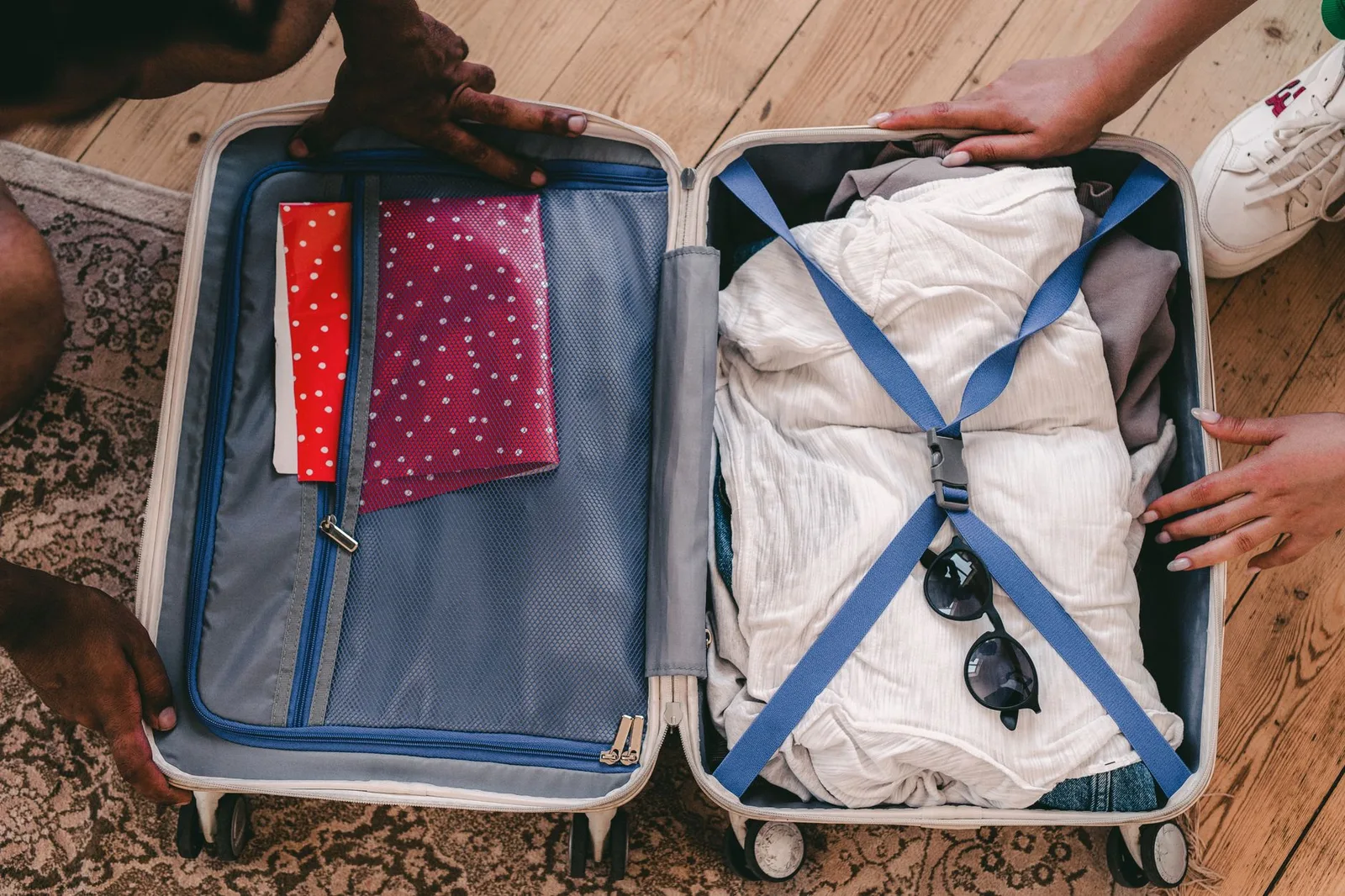
Learning how to avoid checked bag fees is the single easiest way to save money, skip airport lines, and eliminate the risk of lost luggage. By transitioning to a carry-on-only travel style, mastering airline baggage dimensions, and using strategic packing methods, you can bypass the check-in counter entirely. This comprehensive guide covers everything from choosing the right gear to utilizing smart packing lists and weight trackers to keep your bags within strict airline limits.
Airlines have steadily turned baggage fees into a multi-billion dollar revenue stream. What used to be a standard inclusion with your ticket is now a costly add-on, with legacy carriers and budget airlines alike charging premium rates for checked bags. For frequent flyers and budget-conscious travelers, learning how to avoid checked bag fees is no longer just a luxury—it is a vital travel skill that saves hundreds of dollars per trip.
Contents
- Key Takeaways
- Understanding Airline Baggage Classifications and Limits
- How to Choose the Ultimate Carry-On and Personal Item
- The Core Strategies for Carry-On-Only Travel
- Comparing Packing Methods for Maximum Space Efficiency
- Mastering Airline Weight Limits and the Scale Test
- Navigating TSA and International Security Liquid Rules
- Common Mistakes to Avoid
- Frequently Asked Questions
Key Takeaways
- Always build your packing list around the smallest common denominator of your airlines' size and weight limits.
- Invest in a dedicated personal item that maximizes the under-seat space without triggering oversized bag penalties.
- Utilize the "wear your heavy gear" strategy during check-in and boarding to artificially lower your bag's weight.
- Transition to a modular packing system using lightweight compression cubes to reduce total volume by up to 40%.
Understanding Airline Baggage Classifications and Limits
To successfully avoid checked bag fees, you must first understand how commercial airlines categorize and measure baggage. Airlines generally divide non-checked luggage into two categories: personal items and carry-on bags. The rules governing these categories vary wildly depending on whether you are flying with a full-service legacy carrier or an ultra-low-cost carrier (ULCC).
The Personal Item vs. The Carry-On Bag
A personal item is a small bag that must fit entirely underneath the seat in front of you. Examples include small backpacks, laptop bags, purses, or briefcases. On almost all airlines—including budget carriers—one personal item is included in the base ticket price for free. A standard carry-on bag is larger, designed to fit in the overhead bin, and is increasingly a paid add-on on budget airlines like Spirit, Frontier, Ryanair, and easyJet.
Dimensional Limits: The Sizer Box Test
Airlines measure bags in three dimensions: height, width, and depth (including wheels, handles, and side pockets). If your bag does not fit into the metal sizer box located at the gate, gate agents will force you to gate-check the bag, which often incurs a fee significantly higher than checking it online beforehand.
Standard Domestic US Dimensions
For major US carriers such as Delta, United, and American Airlines, the standard carry-on size limit is typically 22 x 14 x 9 inches (56 x 36 x 23 cm). Personal items are generally restricted to roughly 18 x 14 x 8 inches (45 x 35 x 20 cm).
International and Budget Carrier Dimensions
European and Asian budget carriers are much stricter. For example, Ryanair's free personal item limit is a tiny 40 x 20 x 25 cm (roughly 15.7 x 7.8 x 9.8 inches). Knowing these exact specifications before you arrive at the airport is your first line of defense against unexpected fees.
How to Choose the Ultimate Carry-On and Personal Item
Your luggage is your primary tool in the quest to avoid checked bag fees. Using an outdated, heavy, or oversized suitcase guarantees failure. You need specialized gear designed to maximize packing volume while minimizing physical weight and footprint.
Soft-Sided Bags vs. Hard-Shell Suitcases
While hard-shell suitcases offer excellent protection for fragile items, they have two major drawbacks for carry-on-only travelers: they do not compress, and they weigh more when empty. A soft-sided travel backpack or a flexible duffel bag can be squeezed into tight overhead bins or under-seat spaces, and often weighs 2 to 3 pounds less than a hard-shell counterpart.
The Maximum Legal Carry-On (MLC) Backpack
For those committed to one-bag travel, a 35-liter to 45-liter travel-specific backpack is the gold standard. Look for bags with a clamshell opening (which opens flat like a suitcase), load-lifter straps, a padded hip belt, and dedicated laptop compartments. Popular examples include bags compliant with international carry-on standards that measure exactly within the 22 x 14 x 9-inch threshold.
Under-Seat Bags: Maximizing the Personal Item
If you are flying on an ultra-low-cost carrier that charges for overhead bin space, your personal item is your only free storage. Look for a structured 20L to 25L backpack specifically designed to match under-seat dimensions. Avoid bags with stiff internal frames, as they cannot be compressed if a gate agent asks you to place the bag in the sizer.
The Core Strategies for Carry-On-Only Travel
Transitioning to carry-on-only travel requires a shift in mindset. You are not packing for every possible scenario; you are packing for the most likely scenarios and planning to adapt for the rest.
The 5-4-3-2-1 Packing Rule
A classic minimalist packing framework that ensures you have enough clothing for a week-long trip without overloading your bag is the 5-4-3-2-1 rule. This system limits your wardrobe to a highly versatile, color-coordinated selection of items:
- 5 pairs of socks and underwear
- 4 tops (t-shirts, button-downs, or blouses that can be layered)
- 3 bottoms (pants, shorts, or skirts)
- 2 pairs of shoes (one worn, one packed)
- 1 hat, jacket, or swimsuit
The Art of Layering
Instead of packing heavy, bulky sweaters or massive winter coats, pack thin, lightweight layers that can be combined to provide warmth. A merino wool base layer, a lightweight fleece, and a packable windproof rain jacket take up a fraction of the space of a single heavy parka while offering superior temperature regulation.
Choosing the Right Fabrics
Cotton is the enemy of the lightweight traveler. It absorbs moisture, takes a long time to dry, and retains odors quickly. Instead, prioritize high-performance fabrics:
Merino Wool
Merino wool is naturally antimicrobial, meaning it resists odors for days of continuous wear. It regulates temperature exceptionally well, keeping you cool in the heat and warm in the cold.
Technical Synthetics
Nylon and polyester blends engineered for travel are lightweight, wrinkle-resistant, and dry incredibly fast, making them perfect for quick hotel-sink washes.
NEW — AI Snap & Check: photograph your packed bag and OneBag's AI instantly ticks off your items and warns you about missing essentials (passport, wallet, charger). Plus smart carry-on lists for your exact trip and bag-weight tracking for 80+ airlines — so you never forget a thing or pay an overweight fee.
Comparing Packing Methods for Maximum Space Efficiency
How you arrange items inside your bag is just as important as what you choose to bring. Different packing methods yield different results regarding space utilization and wrinkle prevention.
| Packing Method | Space Savings | Wrinkle Resistance | Organization Level | Best For |
|---|---|---|---|---|
| Traditional Folding | Low | Medium | Low | Structured garments like blazers and dress shirts |
| Army Rolling (Ranger Roll) | High | High | Medium | T-shirts, socks, activewear, and casual pants |
| Compression Packing Cubes | Very High | Medium | High | Squeezing maximum clothing volume into small backpacks |
| Bundle Wrapping | Medium | Very High | Low | Preventing creases in delicate or formal wear |
The Ranger Roll Method
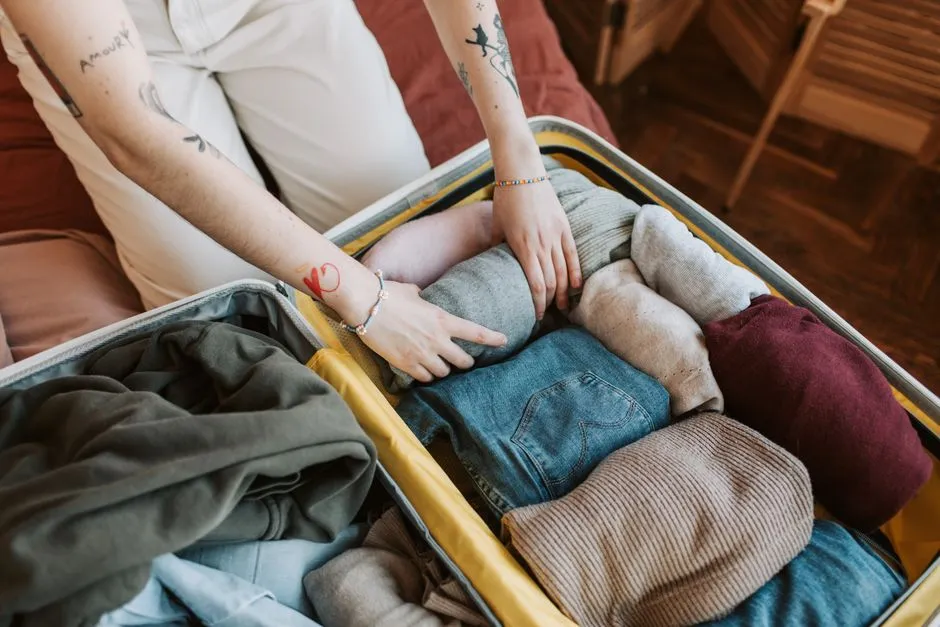
To perform a ranger roll, fold the bottom hem of a shirt outward by about two inches to create a cuff. Fold the sleeves and sides inward to create a neat rectangle, then roll tightly from the collar down to the hem. Finally, tuck the rolled shirt securely into the cuff you created at the start. This creates a tight, self-contained cylinder that will not unravel in your bag.
The Power of Compression Cubes
Standard packing cubes keep your gear organized, but compression cubes take it a step further. They feature an extra perimeter zipper designed to press excess air out of your clothes, reducing their physical volume by up to 40%. This is highly effective for bulky items like sweaters, socks, and underwear.
Mastering Airline Weight Limits and the Scale Test
Even if your bag meets the physical size requirements, you can still face checked bag fees if your carry-on exceeds the airline's weight limit. While US domestic carriers rarely weigh carry-on bags, international airlines and budget carriers routinely enforce strict weight limits, often ranging from 7 kg to 10 kg (15.4 lbs to 22 lbs).
How to Weigh Your Bag Accurately
Never guess the weight of your bag. Invest in a small, digital luggage scale and weigh your bag at home while it is fully packed. If you are close to the limit, use a dedicated weight tracker or travel app like OneBag to log individual item weights and identify heavy culprits before you leave for the airport.
The "Wear Your Weight" Strategy
If your bag is slightly over the limit, your body is your best overflow storage. Airlines weigh your bags, but they do not weigh you. You can significantly reduce the weight of your luggage by wearing your heaviest items during check-in and boarding:
Heavy Footwear
Always wear your heaviest, bulkiest shoes (such as hiking boots or sneakers) on the plane, even if you are traveling to a warm destination. Pack your lightweight sandals or flats.
The Multi-Pocket Travel Jacket
A high-quality travel jacket with deep, zippered pockets is a secret weapon. You can temporarily load your pockets with heavy items like power banks, chargers, cameras, and books while passing through the gate, then place them back into your bag once you are safely on board.
Navigating TSA and International Security Liquid Rules
One of the biggest hurdles to avoiding checked bag fees is managing liquids, gels, and aerosols. To pass through security checkpoints without having your items confiscated or being forced to check your bag, you must strictly adhere to the 3-1-1 rule established by the Transportation Security Administration (TSA).
The 3-1-1 Rule Explained
All liquids, aerosols, gels, creams, and pastes carried through security must meet the following criteria:
- 3.4 Ounces (100ml) or Less: All containers must be 3.4 ounces or smaller. You cannot bring a half-empty 6-ounce tube of toothpaste.
- 1 Clear, Quart-Sized Bag: All liquid containers must fit comfortably inside a single, clear, plastic, quart-sized, zip-top bag.
- 1 Bag Per Passenger: Only one liquids bag is permitted per traveler.
Transitioning to Solid Toiletries
The easiest way to bypass liquid restrictions altogether is to switch to solid alternatives. Solid toiletries do not count toward your liquid allowance, cannot leak inside your bag, and typically last much longer than their liquid counterparts.
Solid Shampoo and Conditioner Bars
These bars look like traditional soap but are specifically formulated for hair care. They are highly concentrated and can easily last for dozens of washes.
Toothpaste Tablets
Instead of a tube of paste, carry dry toothpaste tablets. You simply chew a tablet to activate it, then brush with a wet toothbrush.
Solid Deodorant and Sunscreen Sticks
Swap out aerosol sprays and liquid lotions for solid stick formulas, which are completely exempt from the 3-1-1 liquid bag limit.
Common Mistakes to Avoid
Even experienced travelers make critical errors that result in forced gate-checking and heavy fees. Avoid these common pitfalls to ensure a smooth, fee-free journey:
- Overpacking "Just in Case" Items: Packing for hypothetical scenarios (like an unexpected formal dinner or sudden heavy rain) adds unnecessary weight and volume. Stick strictly to your planned packing list and buy cheap emergency items at your destination if absolutely necessary.
- Ignoring Wheel and Handle Dimensions: Many luggage manufacturers advertise the "case dimensions" of their bags, completely ignoring the wheels and top handles. Always check the "total dimensions" to ensure the bag will fit into the airline sizer.
- Forgetting to Pre-Book Carry-On Allowance: If you are flying a budget airline that charges for overhead bin carry-ons, pay for it online when booking your ticket. Buying a carry-on allowance at the gate can cost up to three times more than pre-booking.
- Packing Heavy Electronics in Checked Bags (If Forced to Check): If you are unexpectedly forced to check your bag at the gate due to a full flight, never leave lithium-ion batteries, power banks, or expensive laptops inside. These must be removed immediately and carried into the cabin to comply with aviation safety regulations.
- Assuming All Airlines Have the Same Rules: Just because your bag was accepted as a carry-on on a domestic Delta flight does not mean it will pass the strict size and weight checks of a European carrier like Lufthansa or Ryanair. Always double-check the specific baggage policy of every airline on your itinerary.
Frequently Asked Questions
Can I bring a backpack and a carry-on bag on the plane?
Yes, on most standard legacy airlines (such as Delta, United, and American Airlines), you are allowed to bring one carry-on bag for the overhead bin and one personal item (like a standard backpack) that fits under the seat in front of you. However, on ultra-low-cost carriers like Spirit, Frontier, and Ryanair, your base ticket only includes the personal item; you must pay an additional fee to bring a larger carry-on bag for the overhead bin.
What happens if my carry-on bag is too heavy at the gate?
If a gate agent weighs your carry-on bag and finds it exceeds the airline's weight limit, they will typically force you to gate-check the bag. This means your bag will be placed in the cargo hold with the checked luggage, and you will be charged a gate-check fee, which is almost always significantly more expensive than standard checked bag fees paid online during check-in.
How do I pack bulky winter clothes without checking a bag?
To travel carry-on only in cold weather, wear your bulkiest items—such as your heaviest coat, boots, and sweaters—directly onto the plane. Use vacuum-style compression bags (which do not require a vacuum; you simply roll them to squeeze the air out) to pack your secondary sweaters and thermal layers. Focus on high-performance, low-bulk materials like merino wool, fleece, and down insulation.
Are diaper bags and medical devices counted as carry-on items?
According to regulations enforced by the TSA and international aviation authorities, approved medical devices (such as CPAP machines, breast pumps, and essential medications) do not count toward your carry-on or personal item limit. Similarly, most airlines allow parents traveling with infants to bring a diaper bag free of charge in addition to their standard baggage allowance. Always check with your specific airline's accessibility department before flying.
Can I bring full-sized toiletries if they are organic or natural?
No. Airport security rules regarding liquids apply to the physical state of the substance, regardless of its ingredients or organic certification. All liquids, gels, creams, and aerosols must be in containers of 3.4 ounces (100ml) or less and fit within a single quart-sized clear bag. The only exceptions are prescription liquid medications and infant formula/breast milk, which must be declared to security officers for separate screening.
How do I wash clothes while traveling carry-on only?
Doing quick sink washes is the secret to extending a small wardrobe indefinitely. Pack a few sheets of laundry detergent or a small travel tube of liquid wash. Fill your hotel sink with warm water, add the soap, agitate your clothes, and let them soak for 10-15 minutes. Rinse thoroughly, roll the wet clothes inside a clean towel to squeeze out excess water, and hang them to dry. Fabrics like merino wool and polyester synthetics will easily dry overnight.
By selecting the right lightweight gear, organizing your items with compression cubes, and strictly adhering to the dimensional limits of your specific airlines, you can confidently travel anywhere in the world with just a single carry-on bag. Embracing a minimalist packing strategy not only keeps your hard-earned money in your pocket but also grants you the ultimate travel freedom: skipping the baggage carousel and stepping straight out of the airport to begin your adventure.

Independent Full Stack Developer · Founder of Tabserve
Aycan builds and maintains Tabserve's apps — OneBag, Routevia and RentFlow — and writes practical, tested guides to help you pack smarter, travel better and manage rentals with less hassle.