The Ultimate Cruise Packing List: How to Pack Smart and Avoid Fees
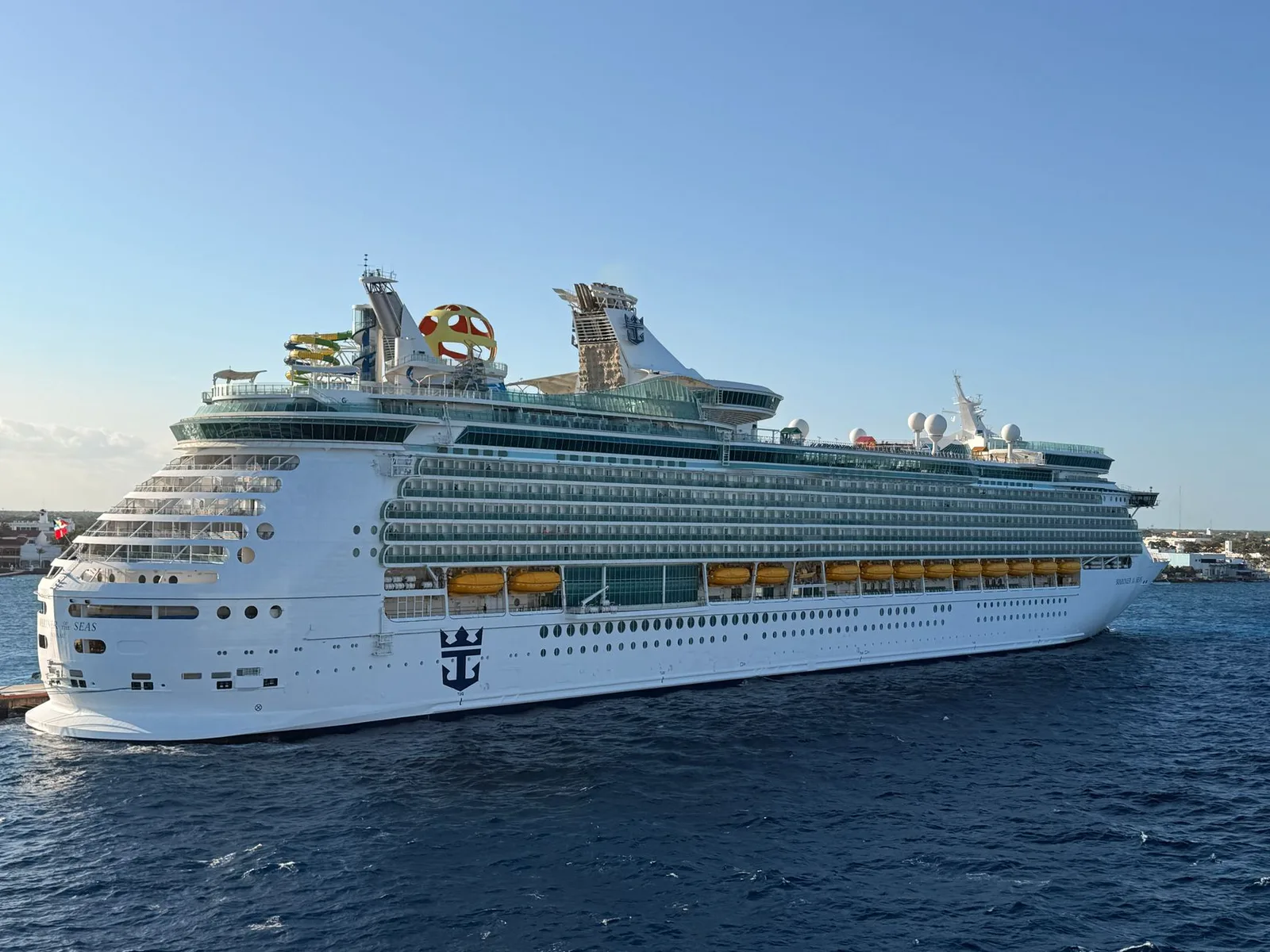
Packing for a cruise requires a strategic approach because you must account for strict airline baggage limits, tiny cabin spaces, and diverse dress codes. This comprehensive guide outlines the essential items you actually need, provides a structured blueprint for different climates, and explains how to pack light without leaving the essentials behind. By organizing your gear into a dedicated cruise carry-on and utilizing smart space-saving tactics, you can bypass boarding-day stress and avoid costly overweight baggage fees.
Preparing for a cruise vacation is incredibly exciting, but packing for one can quickly become overwhelming. Unlike a standard hotel stay, a cruise ship is a floating city with its own unique set of rules, space constraints, and environmental factors. You need to prepare for elegant dining rooms, breezy pool decks, rugged shore excursions, and unpredictable weather—all while keeping your luggage light enough to navigate narrow ship corridors and strict airline weight limits.
Many first-time cruisers make the mistake of overpacking, dragging massive suitcases through the terminal only to realize their cabin has limited storage space. Overpacking also risks incurring hefty baggage fees at the airport before the vacation even begins. This ultimate cruise packing list is designed to help you pack systematically, ensuring you have every essential item while keeping your baggage streamlined and compliant with modern travel restrictions.
Contents
- Key Takeaways
- Understanding Cruise Luggage Constraints and Policies
- The Essential Embarkation Day Carry-On Bag
- Clothing Strategy: Versatile Layers and Dress Codes
- The Climate-Specific Packing Blueprint
- Smart Cabin Hacks and Gear
- Toiletries and Health Essentials
- Luggage Comparison and Packing Methods
- Common Mistakes to Avoid
- Frequently Asked Questions
Key Takeaways
- Keep your essential documents, medications, and a change of clothes in your carry-on bag, as checked luggage can take several hours to arrive at your cabin.
- Utilize vertical cabin space with magnetic hooks and over-the-door organizers to maximize the limited square footage of standard staterooms.
- Understand the cruise line's specific dress codes beforehand to avoid packing unnecessary formalwear or heavy shoes you will only wear once.
- Weigh your bags before leaving for the port or airport to avoid unexpected overweight luggage fees from airlines or transport providers.
Understanding Cruise Luggage Constraints and Policies
Before you begin placing items into your suitcase, it is vital to understand the physical constraints of cruise ship travel. While most cruise lines do not impose a strict weight limit on checked bags in the same way commercial airlines do, there are practical limitations you must consider. Your luggage must fit through the port security scanners (which are typically similar in size to airport security scanners) and ultimately fit inside your stateroom.
The Reality of Cabin Storage Space
Standard cruise ship cabins are famously compact, often ranging from 150 to 220 square feet. Storage options are limited to a small closet, a few drawers, and perhaps some shelving. Your empty suitcases must be stored out of the way, typically slid flat underneath the bed. If you pack oversized, rigid suitcases, you may struggle to find a place to put them, cluttering your limited living space for the duration of the voyage.
Airline Connection Weight Pitfalls
If you are flying to your cruise departure port, the airline's baggage policies are your primary constraint. Most domestic and international airlines enforce a strict 50-pound (23 kg) weight limit for standard checked bags, with steep fees for anything over. Carrying a digital scale or using a dedicated travel packing app with a built-in weight tracker can prevent expensive surprises at the airport check-in counter.
The Essential Embarkation Day Carry-On Bag
When you arrive at the cruise terminal, you will hand your large checked bags over to the porters. These bags are loaded onto the ship in bulk and delivered to your cabin door later in the afternoon or evening. This means you will be without your primary luggage for several hours after boarding. A well-planned carry-on bag is your lifeline during this transition period.
Documentation and Valuables
Never pack your identification or travel documents in your checked luggage. If you do, you will not be allowed to board the ship. Keep the following items in your physical possession at all times:
- Passports or Birth Certificates: Ensure your passport is valid for at least six months beyond your cruise return date, which is a standard requirement outlined by agencies like the U.S. Department of State.
- Boarding Passes and Luggage Tags: Print these out at home and keep them easily accessible. Do not attach your cruise luggage tags to your bags until you are ready to hand them to the terminal porters.
- Credit Cards and Cash: While cruises are largely cashless, you will need physical cash for tipping porters, taxi drivers, and local tour guides at your ports of call. Bring small denominations ($1, $5, and $10 bills).
- Medications: Keep at least a 3-to-5-day extra supply of all prescription medications in their original bottles, just in case of travel delays.
Day-One Comfort Items
Once you board the ship, you may want to head straight to the pool, the buffet, or explore the decks. Pack these items in your carry-on so you do not have to wait for your luggage to arrive:
- Swimwear and a cover-up
- Sunscreen (reef-safe is highly recommended and often legally required in Caribbean ports)
- Sunglasses and a wide-brimmed hat
- A phone charger or portable power bank
- A lightweight change of clothes for dinner, in case your checked bags are delayed past the first evening's seating

Clothing Strategy: Versatile Layers and Dress Codes
The secret to an efficient cruise packing list is choosing versatile clothing items that can be layered, mixed, and matched. You do not need a completely unique outfit for every single hour of the day. Instead, focus on items that can transition from a casual daytime excursion to a relaxed evening dinner with minimal adjustments.
Daytime Casual Wear
For days spent at sea or exploring ports, comfort is paramount. The general rule of thumb is to pack lightweight, breathable fabrics that dry quickly. Avoid heavy denim, which takes a long time to dry in humid climates and adds significant weight to your suitcase.
- T-shirts, Tank Tops, and Polos: Pack 1 to 1.5 shirts per day of your cruise. Neutral colors make mixing and matching easier.
- Shorts and Skirts: 3 to 4 pairs of comfortable shorts or athletic skirts are usually sufficient for a 7-night cruise.
- Activewear: If you plan to use the ship's fitness center, run on the outdoor track, or participate in active shore excursions like zip-lining or hiking.
- Swimwear: Bring at least two swimsuits. This allows one to dry completely while you wear the other. Hanging wet swimsuits in a dark cabin bathroom can take upwards of 24 hours.
Evening Wear and Theme Nights
Most cruise lines have designated dress codes for the main dining rooms in the evening. These typically fall into three categories: Casual, Smart Casual, and Formal (or "Chic"). Check your cruise line's website prior to departure to verify their specific dress policies, as some premium lines have stricter standards than contemporary family lines.
Smart Casual vs. Formal Night
Smart Casual usually means collared shirts, slacks, sundresses, or nice blouses. Jeans are often permitted if they are clean and free of rips or tears. Formal night is your opportunity to dress up. While some passengers wear full tuxedos and evening gowns, most opt for a dark suit or a cocktail dress. If you want to travel light, a classic black dress or a neutral blazer paired with different accessories can work perfectly for multiple formal nights.
The Climate-Specific Packing Blueprint
Your destination dictates a significant portion of your cruise packing list. Packing for the glaciers of Alaska requires an entirely different set of gear than packing for the white-sand beaches of the Bahamas.
Warm-Weather Cruises (Caribbean, Bahamas, Mexico, South Pacific)
Warm-weather cruises focus heavily on sun protection and water activities. Sweat and humidity mean you may go through clothes faster, so lightweight fabrics are essential.
- UV Protection: Long-sleeve rash guards are excellent for snorkeling excursions to prevent sunburn without harming marine ecosystems.
- Water Shoes: Crucial for rocky beaches, Cenote swims, or climbing waterfalls (such as Dunn's River Falls in Jamaica).
- Lightweight Rain Jacket: Tropical downpours can happen suddenly and pass quickly. A packable poncho or windbreaker takes up minimal space.
Cold-Weather Cruises (Alaska, Norwegian Fjords, Antarctica)
The golden rule for cold-weather cruising is layering. Temperatures can fluctuate wildly between a sunny afternoon on deck and a chilly morning viewing glaciers.
- The Base Layer: Thermal underwear or moisture-wicking synthetic shirts to keep sweat away from your skin.
- The Insulating Layer: Fleece jackets, wool sweaters, or lightweight down vests.
- The Outer Shell: A high-quality, windproof, and waterproof jacket. Do not rely on a simple water-resistant windbreaker; glacier breezes can be incredibly cold and damp.
- Accessories: A warm beanie, touch-screen compatible gloves, and thick wool socks.
NEW — AI Snap & Check: photograph your packed bag and OneBag's AI instantly ticks off your items and warns you about missing essentials (passport, wallet, charger). Plus smart carry-on lists for your exact trip and bag-weight tracking for 80+ airlines — so you never forget a thing or pay an overweight fee.
Smart Cabin Hacks and Gear
Cruise cabins are highly engineered spaces, but they lack certain conveniences we take for granted in modern hotel rooms. Packing a few small, inexpensive utility items can dramatically improve your daily comfort and organization onboard.
Magnetic Hooks
Most cruise cabin walls and doors are made of steel. Bringing a pack of heavy-duty magnetic hooks (rated for 25 lbs or more) allows you to hang wet swimsuits, lanyards, hats, and daily schedules directly on the walls. This keeps your limited counter and desk space completely clear.
Non-Surge Power Strips
Older cruise ships often have only one or two usable electrical outlets in the entire cabin. However, you must not bring a standard household surge protector. Cruise ship electrical systems are configured differently than land-based grids, and surge protectors pose a serious fire hazard at sea. Most cruise lines will confiscate them at security. Instead, pack a cruise-approved, non-surge multi-plug adapter or a multi-port USB charging block.
Over-the-Door Organizer
A mesh over-the-door shoe organizer hung on the bathroom door is a classic cruise insider secret. Instead of shoes, use the clear pockets to store toiletries, sunscreen, sunglasses, chargers, keycards, and other small items that easily get lost in drawer clutter.
Toiletries and Health Essentials
While cruise ships stock basic soap and shampoo in the cabins, these products can be drying or may not suit your personal needs. Additionally, purchasing forgotten toiletries onboard is incredibly expensive, and the ship's shops are legally closed while the ship is in port.
The First-Aid and Motion Sickness Kit
Even if you have never experienced motion sickness, the ocean can be unpredictable. Be prepared with a small, dedicated health kit:
- Motion Sickness Remedies: OTC medications like Meclizine (Bonine) or Dimenhydrinate (Dramamine). Acupressure wristbands and ginger candies are great drug-free alternatives.
- Pain Relievers and Antihistamines: Ibuprofen, Acetaminophen, and allergy medications.
- Digestive Health: Antacids, anti-diarrheal medication, and laxatives, as cruise dining can be a major departure from your normal diet.
- Bandages and Antiseptic: For minor cuts or blisters acquired during walking tours.
Sun and Bug Protection
Sunscreen is a non-negotiable item, regardless of your destination. If you are traveling to tropical areas or ports near dense foliage (such as Mayan ruins or rainforests), high-quality insect repellent containing DEET or Picaridin is essential to protect against mosquito-borne illnesses.
Luggage Comparison and Packing Methods
Choosing the right luggage and packing method can save you hours of frustration when organizing your cabin. Below is a comparison of the most common luggage options and packing strategies used by frequent cruisers.
| Luggage / Method Name | Space Efficiency | Ease of Transport | Best For | Cost Level |
|---|---|---|---|---|
| Compression Packing Cubes | Excellent | N/A (Fits inside bag) | Organizing shirts, undergarments, and shorts by category | Budget to Mid | Good | Excellent | Protecting fragile items and navigating smooth terminal floors | Mid to Premium |
| Rolling Duffel Bag | Excellent | Moderate | Irregularly shaped gear and easy storage under cabin beds | Budget to Mid |
| The "Ranger Roll" Method | Moderate | N/A | Minimizing wrinkles on casual cotton t-shirts and activewear | Free |
Why Packing Cubes are a Cruise Necessity
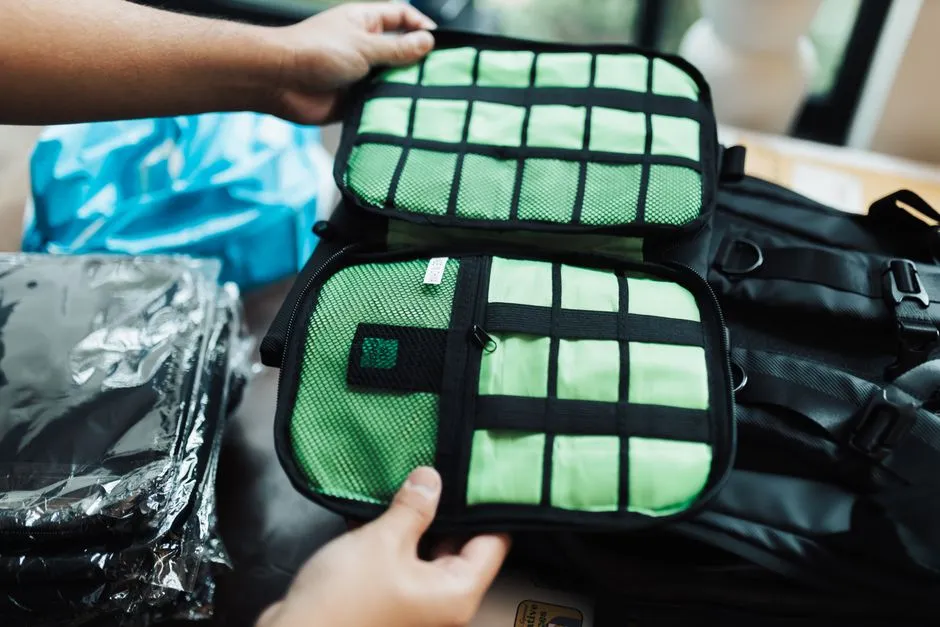
Packing cubes do more than just save physical space; they act as drawers inside your suitcase. When you arrive in your cabin, you do not need to unpack every individual item. Simply lift the cubes out of your suitcase and place them directly onto the closet shelves. This keeps your clothes organized, clean, and easily accessible throughout your entire voyage.
Common Mistakes to Avoid
Even seasoned travelers make mistakes when packing for a cruise. Avoid these common pitfalls to ensure a smooth, stress-free vacation:
- Packing prohibited items: Cruise lines have incredibly strict safety rules. Items like irons, steamers, candles, coffee makers, and extension cords will be confiscated by security during baggage screening and held until the end of the cruise. Use the ship's self-service laundry rooms or laundry service to remove wrinkles instead.
- Forgetting to pack a lanyard or cardholder: Your SeaPass or cruise card is your room key, your charge card, and your ID while onboard. Carrying a wallet everywhere is inconvenient. A simple lanyard with a plastic pouch or a phone-wallet sleeve keeps your card secure and accessible.
- Overestimating formal wear: Unless you are sailing on an ultra-luxury line with strict daily dress codes, you do not need a different formal outfit for every evening. One versatile formal outfit is more than enough for a standard 7-night cruise.
- Ignoring the alcohol policy: Many cruise lines allow you to bring a limited amount of wine or champagne onboard (typically one 750ml bottle per adult) during embarkation. However, this must be packed in your carry-on luggage, not your checked bags. Attempting to smuggle spirits in checked bags can lead to delays at security. Refer to official guidelines like the Federal Maritime Commission website for passenger rights and safety expectations.
- Leaving the digital luggage scale at home: It is easy to acquire souvenirs, local crafts, and duty-free items during your cruise. If your suitcase was right on the 50-pound limit on the way to the port, you will likely exceed it on the flight home. A lightweight digital luggage scale ensures you can balance your bags before heading to the airport.
Frequently Asked Questions
Can I bring a hair dryer or hair straightener on a cruise?
Yes, you can bring hair straighteners and curling irons on almost all major cruise lines, as they are equipped with built-in auto-shutoff features. Standard hair dryers are also allowed, though almost every cruise cabin is already equipped with a basic hair dryer. If you have specific styling needs, bringing your own is fine, but make sure to check the cruise line's specific prohibited items list before packing.
How many bags can I check at the cruise terminal?
While most cruise lines do not enforce a strict limit on the number of bags you can check with the porters, practical limits apply. It is highly recommended to limit your luggage to one large checked bag and one carry-on bag per person. Remember that you must store all empty suitcases in your cabin, and excess luggage will severely restrict your living space.
Do I need to bring my own beach towels for cruise excursions?
No, you do not need to pack bulky beach towels. Your cruise line will provide clean beach towels for you to take ashore at every port of call. These are typically distributed near the gangway as you disembark or can be checked out on the pool deck. Just ensure you return them to the ship at the end of the day to avoid non-returned towel fees.
Is there a laundry service onboard cruise ships?
Yes, almost all cruise ships offer professional laundry and dry-cleaning services for an additional fee. Some lines also feature self-service launderettes equipped with washers, dryers, ironing boards, and detergent vending machines. Utilizing these facilities can significantly reduce the amount of clothing you need to pack for longer itineraries.
Can I bring bottled water or soda on a cruise?
This policy varies significantly by cruise line. Some lines (like Carnival and Disney) allow you to bring a limited quantity of non-alcoholic beverages (cans only, no bottles) in your carry-on luggage on embarkation day. Other lines (like Royal Caribbean and Norwegian) strictly prohibit bringing any outside beverages onboard. Always check your specific cruise line's code of conduct before arriving at the port.
What happens if my luggage goes over the airline weight limit?
If your checked luggage exceeds the standard 50-pound (23 kg) limit at the airport, you will be forced to pay a hefty overweight baggage fee, which can range from $50 to over $200 per bag depending on the airline. Alternatively, you will have to open your suitcase at the ticket counter and awkwardly redistribute items into your carry-on bag. Tracking your bag's weight while packing is the easiest way to prevent this scenario.
By taking a systematic approach to your cruise packing list, prioritizing versatile clothing layers, and utilizing smart cabin organization tools, you can ensure a comfortable and stress-free vacation. Keeping your luggage lightweight and organized not only saves you physical effort at the port but also protects you from costly airline baggage fees. Pack smart, double-check your essential documents, and get ready to enjoy your journey on the open sea.

Independent Full Stack Developer · Founder of Tabserve
Aycan builds and maintains Tabserve's apps — OneBag, Routevia and RentFlow — and writes practical, tested guides to help you pack smarter, travel better and manage rentals with less hassle.