How to Pack Shoes for Travel: Save Space and Protect Your Footwear
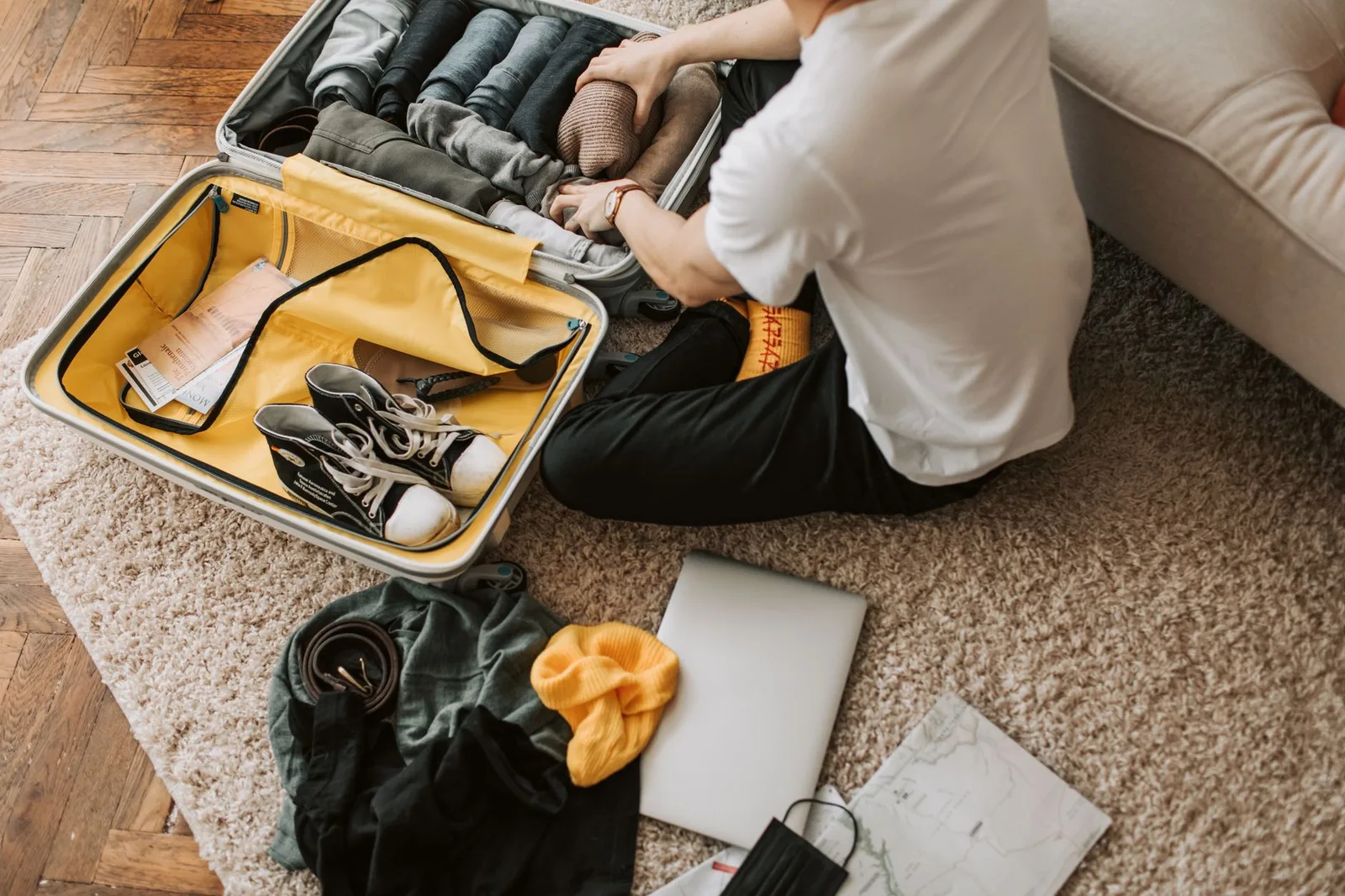
Mastering how to pack shoes for travel is the ultimate secret to maximizing luggage space and keeping your clothes clean. By nesting small items inside your shoes, utilizing the "sole-to-wall" perimeter layout, and choosing lightweight, multi-purpose footwear, you can easily fit three pairs of shoes into a standard carry-on. This comprehensive guide covers step-by-step packing techniques, protection methods, and weight-saving strategies to streamline your travel prep.
Shoes are notoriously the most difficult items to pack. They are bulky, structurally rigid, heavy, and their soles carry dirt from the streets directly into your clean suitcase. Yet, bringing only one pair of shoes for a multi-day trip is rarely practical. You need options for walking, formal dinners, and sudden weather shifts.
Learning how to pack shoes for travel efficiently allows you to travel light without leaving your favorite footwear behind. By understanding the physics of your suitcase and utilizing smart packing principles, you can protect both your expensive shoes and your clean garments while staying well within airline weight limits.
Contents
- Key Takeaways
- The Golden Rule of Travel Footwear: The Rule of Three
- How to Pack Shoes for Travel: Step-by-Step Packing Methods
- Comparing Shoe Packing Methods and Materials
- Advanced Packing Configurations for Different Shoe Types
- Managing Weight Limits and Carry-On Restrictions
- Common Mistakes to Avoid When Packing Shoes
- Frequently Asked Questions
- Conclusion
Key Takeaways
- Always place the heaviest, bulkiest shoes on your feet during transit to save significant suitcase weight and volume.
- Utilize the hollow interior of your packed shoes to store socks, chargers, or underwear, preserving their structural shape.
- Position shoes along the perimeter wheels of your suitcase to keep the center of gravity low and prevent tipping.
- Always wrap shoes in dedicated bags, shower caps, or packing cubes to isolate dirt and bacteria from your clean clothing.
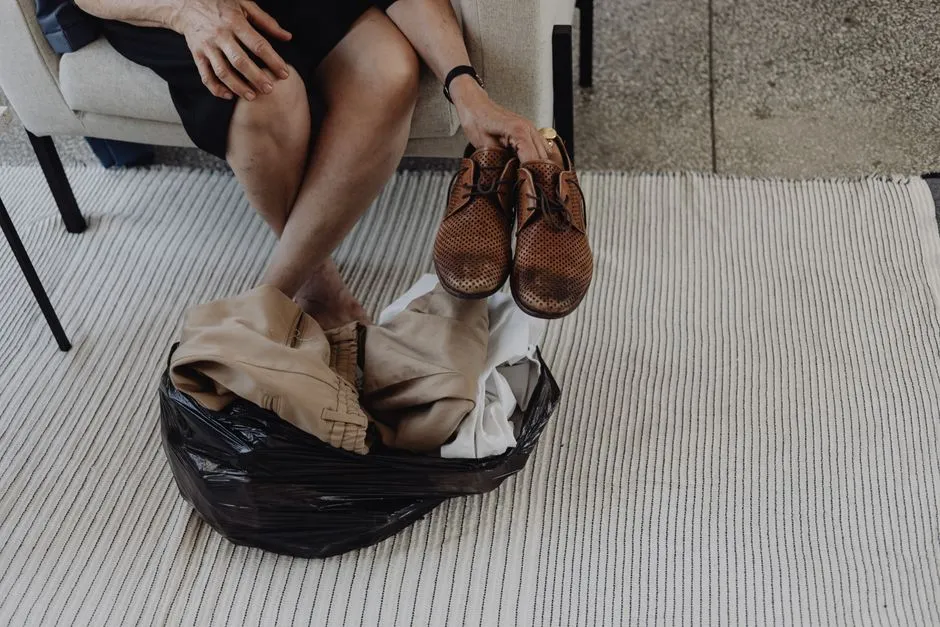
The Golden Rule of Travel Footwear: The Rule of Three
Before folding a single shirt or rolling a pair of socks, you must audit your footwear. The most common packing mistake is bringing too many pairs "just in case." For almost every trip—from a weekend beach getaway to a two-week European holiday—you only need a maximum of three pairs of shoes.
The Perfect Travel Footwear Trio
To balance style, comfort, and utility, structure your travel footwear selections around three distinct categories:
- The Heavy Walker (Wear this): Your most supportive, heaviest shoe. This is typically a pair of supportive sneakers, running shoes, or sturdy walking boots. You should wear these on the plane or train to keep them out of your luggage entirely.
- The Versatile Intermediate (Pack this): A shoe that bridges the gap between casual and semi-formal. Examples include leather loafers, clean low-profile white leather sneakers, Chelsea boots, or elegant flats. These should pair well with multiple outfits.
- The Specialty Option (Pack this): A lightweight, highly packable shoe dedicated to your destination's specific activities. This could be flat sandals for the beach, lightweight water shoes, or thin, flexible dress shoes for a formal event.
How to Pack Shoes for Travel: Step-by-Step Packing Methods
To pack shoes efficiently, you must treat them as structural containers rather than dead space. Here is the step-by-step process to pack your footwear like a professional travel coordinator.
Step 1: Clean and Prep Your Shoes
Never pack dirty shoes directly from your closet. Wipe down the outsoles with a damp cloth or a cleaning wipe to remove loose dirt, gravel, and dust. If your shoes have an odor, sprinkle a small amount of baking soda inside them the night before, tap it out in the morning, or insert a dry, scented dryer sheet into the toe box.
Step 2: Stuff the Interiors (The "Nesting" Technique)
The empty space inside your shoes is prime real estate. Leaving it empty is a waste of valuable volume. Additionally, packing items inside your shoes prevents the leather or canvas from collapsing and creasing under the pressure of other luggage items.
Fill the toe boxes tightly with small, malleable items. Excellent options include:
- Rolled socks (this also helps socks maintain their elasticity)
- Underwear or rolled t-shirts
- Charging cables, adapters, and tech accessories (placed inside a small zip-top plastic bag first)
- Fragile items like perfume bottles or jewelry (wrapped in a thick sock for cushioning)
Step 3: Wrap and Protect Your Shoes
To prevent the soles of your shoes from rubbing against your clean clothes, you must wrap them. Do not use plastic grocery bags if you can avoid it, as they tear easily and rustle loudly. Instead, use one of the following protective barriers:
- Dedicated Shoe Bags: Lightweight nylon or polyester drawstring bags designed specifically for travel.
- Shower Caps: An incredibly cheap and effective hack. Stretch a disposable elastic shower cap over the sole of each shoe. This covers the dirty bottom while leaving the top of the shoe visible and accessible.
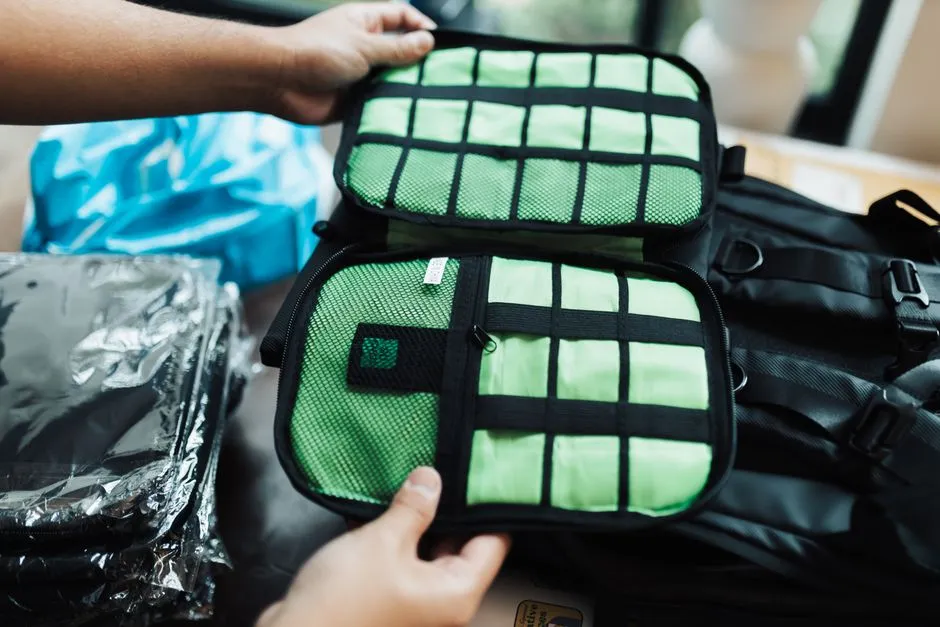
- Packing Cubes: Some compression packing cubes are designed with water-resistant compartments specifically for shoes.
Step 4: Position Shoes in Your Suitcase
The placement of your shoes dictates how your suitcase handles. If you place heavy shoes at the top of your bag, your suitcase will become top-heavy and tip over when stood upright. It will also crush the lighter items beneath it.
Always place your packed shoes at the bottom of your suitcase, near the wheels. Position them with the soles facing outward, pressed flat against the outer frame or walls of the bag. This "sole-to-wall" orientation creates a protective perimeter around your softer clothing items packed in the center.
Comparing Shoe Packing Methods and Materials
Different packing methods suit different travel styles, budgets, and luggage types. The table below outlines the most popular ways to protect and organize your shoes during transit.
| Packing Method | Protection Level | Cost Level | Best Suited For | Space Efficiency |
|---|---|---|---|---|
| Dedicated Nylon Shoe Bags | High | Budget to Mid | Frequent travelers, leather shoes | Excellent (conforms to shoe shape) |
| Elastic Shower Caps | Medium | Free to Budget | Backpackers, quick weekend trips | Maximum (adds zero weight or bulk) |
| Compression Shoe Cubes | Maximum | Mid to Premium | Business travelers, pristine sneakers | Good (compresses slightly, structured) |
| Tissue Paper & Dust Bags | High | Free (reused) | High-end designer shoes, heels, patent leather | Moderate (takes up slightly more space) |
NEW — AI Snap & Check: photograph your packed bag and OneBag's AI instantly ticks off your items and warns you about missing essentials (passport, wallet, charger). Plus smart carry-on lists for your exact trip and bag-weight tracking for 80+ airlines — so you never forget a thing or pay an overweight fee.
Advanced Packing Configurations for Different Shoe Types
Not all shoes are shaped the same. A pair of bulky running shoes requires a completely different spatial strategy than a pair of delicate high heels or flat sandals.
How to Pack Sneakers and Running Shoes
Sneakers are highly resilient but take up significant volume. The best way to pack them is the "interlocking heel-to-toe" configuration. Place the shoes sole-to-sole, but flip one shoe so the toe of the left shoe rests against the heel of the right shoe. This creates a neat, rectangular block that slips easily into the side of your suitcase.
How to Pack High Heels and Wedges
High heels are delicate, sharp, and awkwardly shaped. To pack them safely:
- Wrap the heels individually in bubble wrap or thick tissue paper to prevent the heel of one shoe from scratching the leather or patent finish of the other.
- Lay them flat in the suitcase in an interlocking position, with the heels pointing toward opposite ends of the bag.
- Pack soft items, like knitwear or scarves, tightly around the heels to fill the negative space and keep them from shifting during transit.
How to Pack Boots
Boots are the most challenging footwear to pack due to their long shafts. If you cannot wear them on your flight, follow this strategy:
- Roll up pairs of jeans, sweaters, or heavy towels and stuff them into the shaft of the boot. This keeps the boot shaft upright and prevents it from creasing or collapsing.
- Lay the boots flat along the bottom spine of your suitcase, mimicking the curve of the luggage walls.
How to Pack Sandals, Flip-Flops, and Slippers
These are the easiest shoes to pack because they are flat and highly flexible. Slide them into the external zippered pockets of your suitcase, or slip them into the mesh divider pocket that separates the two halves of a hardshell clamshell suitcase. You can also slide them vertically into the narrow gaps between your packing cubes.
Managing Weight Limits and Carry-On Restrictions
A major obstacle when learning how to pack shoes for travel is weight. Shoes are heavy, and modern airlines are increasingly strict about carry-on weight limits, often restricting cabin bags to 7 kg or 10 kg (15 lbs to 22 lbs). For detailed security regulations on what can be carried aboard, refer to the Transportation Security Administration (TSA) guidelines.
The Weight Cost of Footwear
An average pair of men's leather dress shoes or running sneakers weighs between 0.8 kg and 1.2 kg (1.8 to 2.6 lbs). If your carry-on limit is 7 kg, packing two pairs of shoes can instantly consume nearly 30% of your total weight allowance before you have packed a single piece of clothing.
How to Audit and Reduce Footwear Weight:
- Weigh Your Shoes First: Use a digital kitchen scale or a luggage scale to weigh your shoes before deciding which ones to pack. If you are torn between two similar pairs of sneakers, pack the lighter one.
- Wear Your Heaviest Pair: This bears repeating. If you are traveling with hiking boots or heavy leather boots, wear them through airport security. You can always loosen the laces or slip them off during a long flight for comfort.
- Look for Travel-Specific Footwear: Many brands now manufacture ultra-lightweight versions of classic shoes, featuring lightweight EVA outsoles and unlined leather uppers that fold completely flat.
To avoid stressful surprises at the airport check-in counter, it is highly recommended to use a digital packing app that features a built-in luggage weight tracker. Planning your packing list digitally allows you to see the exact cumulative weight of your gear, including your shoes, before you even open your suitcase.
Common Mistakes to Avoid When Packing Shoes
Even seasoned travelers fall into bad habits that can ruin their footwear or soil their pristine travel wardrobe. Avoid these critical mistakes on your next journey:
- Packing shoes wet or damp: Never pack shoes that are damp from rain, sweat, or a recent wash. The enclosed, dark environment of a suitcase is a breeding ground for mold, mildew, and unpleasant odors that will transfer to your clothes. If you must pack damp shoes, wrap them in a breathable cotton dust bag, never airtight plastic.
- Letting dirty soles touch clothing: Packing shoes loosely without any protective barrier is a recipe for stained shirts and contaminated gear. Always isolate the soles using bags, shower caps, or dedicated packing compartments.
- Leaving the shoe interiors empty: Failing to stuff your shoes wastes valuable packing volume and allows your shoes to get crushed, permanently ruining their shape and creasing fine leather.
- Packing shoes at the top of the suitcase: Placing heavy shoes near the top handle of your bag makes the luggage unstable, causes it to tip over constantly, and crushes delicate items like toiletries or pressed shirts underneath.
- Bringing untested shoes: Never pack a brand-new, unworn pair of shoes for a trip that involves walking. Always break them in at home for at least two weeks before traveling to avoid painful blisters that can ruin your itinerary.
Frequently Asked Questions
Can I pack shoes in my carry-on bag?
Yes, you can absolutely pack shoes in your carry-on luggage. There are no aviation security restrictions against packing footwear in cabin bags. In fact, packing your most valuable or delicate shoes in your carry-on is highly recommended to prevent them from being lost or damaged by airport baggage handlers.
How do I keep my shoes from smelling while packed?
To prevent shoe odors from transferring to your clothes, ensure your shoes are completely dry before packing. Place a dry fabric softener sheet, a sachet of activated charcoal, or a few dry tea bags inside each shoe. These items naturally absorb moisture and neutralize odors throughout your journey.
Should I pack shoes in plastic bags?
While plastic grocery bags work in an emergency, they are not ideal. Plastic bags trap moisture, which can cause leather to degrade and mold to grow. It is much better to use breathable cotton dust bags, lightweight nylon shoe organizers, or cheap elastic shower caps that only cover the dirty soles while allowing the rest of the shoe to breathe.
How do I pack high heels without ruining them?
To pack high heels safely, wrap each heel individually in bubble wrap or soft tissue paper to prevent scratching. Position them in an interlocking, heel-to-toe pattern flat against the edge of your suitcase, and pack soft clothing items tightly around them to prevent them from shifting during transit.
How many pairs of shoes should I travel with?
The ideal number of shoes for travel is three pairs: one heavy walking shoe (worn on the transit days), one versatile intermediate shoe (like a loafer or clean sneaker), and one lightweight specialty shoe (like sandals or dress shoes). This combination covers almost every travel scenario without overloading your luggage.
How do I keep my shoes from getting crushed in my suitcase?
The best way to preserve the shape of your shoes is to stuff their interiors tightly with rolled socks, underwear, or soft t-shirts. This acts as a natural shoe tree, keeping the toe box and leather structure firm even when compressed by other heavy items in your suitcase.
Conclusion
Mastering how to pack shoes for travel is a game-changer for any traveler aiming to pack light and travel efficiently. By utilizing the nesting technique, protecting your clothes with proper barriers, and strategically placing your footwear to optimize weight distribution, you can travel with confidence. Take the time to audit your footwear, select versatile options, and pack them with care—your back, your clothes, and your shoes will thank you.

Independent Full Stack Developer · Founder of Tabserve
Aycan builds and maintains Tabserve's apps — OneBag, Routevia and RentFlow — and writes practical, tested guides to help you pack smarter, travel better and manage rentals with less hassle.