How to Fold Clothes for Travel: Folding vs. Rolling for Maximum Space
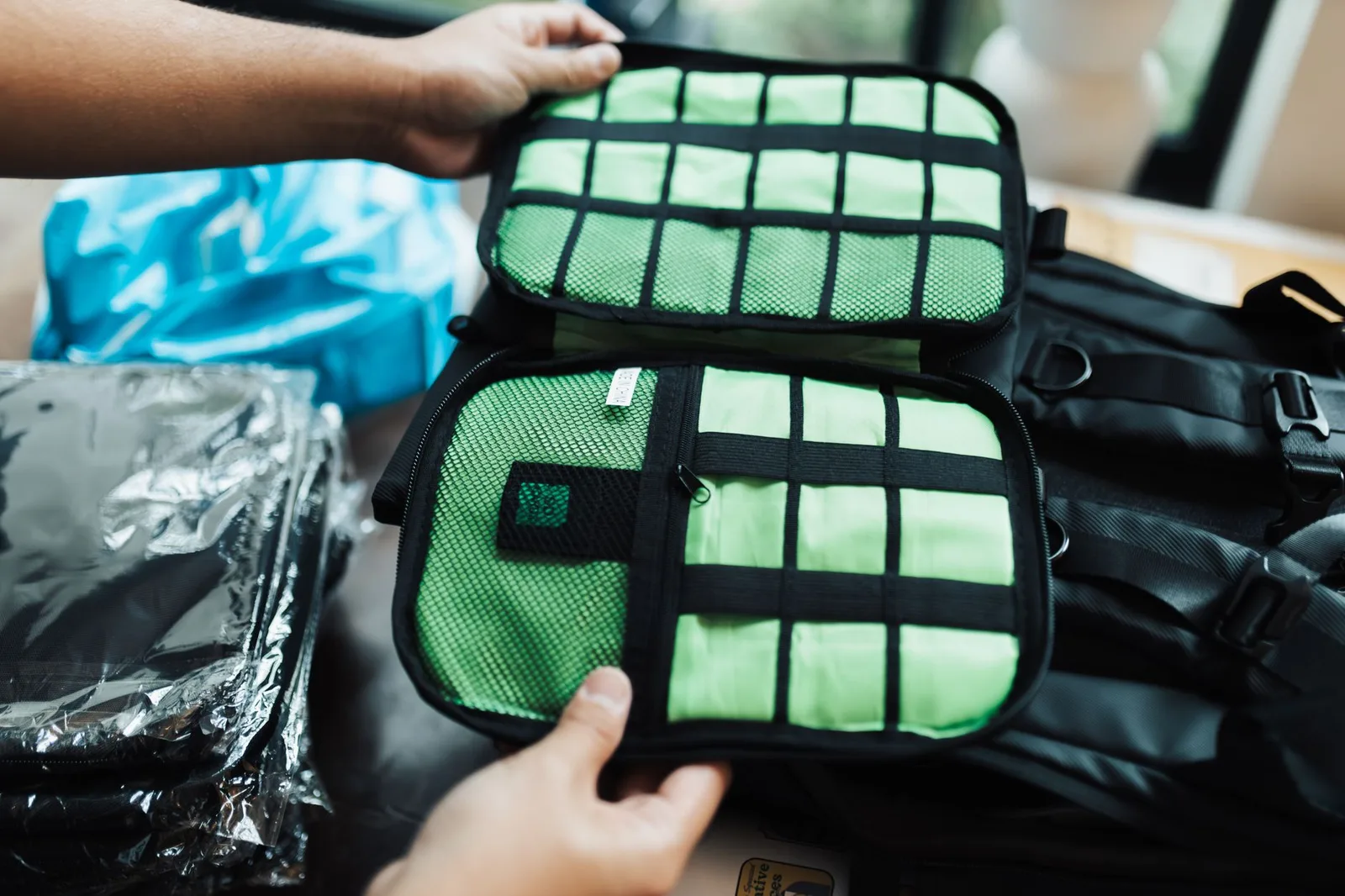
Deciding how to pack efficiently comes down to a classic debate: folding versus rolling. While rolling compresses soft fabrics and eliminates air pockets to save space, structured folding is superior for preventing wrinkles in formal wear. Combining both methods using a systematic approach like the Ranger Roll or bundle wrapping, and organizing them in packing cubes, lets you maximize carry-on space while staying under strict airline weight limits.
Packing for a trip often feels like a high-stakes game of Tetris. Whether you are trying to squeeze a week's worth of outfits into a compact carry-on or attempting to keep delicate fabrics from looking like a crumpled sheet of paper, understanding the mechanics of luggage space is essential. Learning how to fold clothes for travel is not just about neatness; it is about maximizing volume, distributing weight evenly, and reducing the friction that causes fabric creasing.
Contents
- Key Takeaways
- The Great Debate: Folding vs. Rolling for Travel
- A Comparative Guide to Packing Methods
- Step-by-Step Guide: How to Roll Clothes for Travel
- Step-by-Step Guide: How to Fold Clothes for Travel
- Using Packing Cubes to Optimize Your Space
- Weight Distribution and Luggage Balance
- Common Mistakes to Avoid
- Frequently Asked Questions
- Mastering the Art of Efficient Packing
Key Takeaways
- Rolling is highly efficient for synthetic, casual, and knit fabrics, while folding is necessary for structured, natural fibers like linen and cotton dress shirts.
- The Ranger Roll (or military roll) is the absolute best technique for compressing t-shirts, socks, and undergarments into tight, self-contained cylinders.
- Using packing cubes acts as a compression system, preventing rolled clothes from unravelling and keeping your suitcase organized during transit.
- Weight distribution matters as much as space; place heavy items like shoes and toiletries near the wheels of your suitcase to maintain balance.
The Great Debate: Folding vs. Rolling for Travel
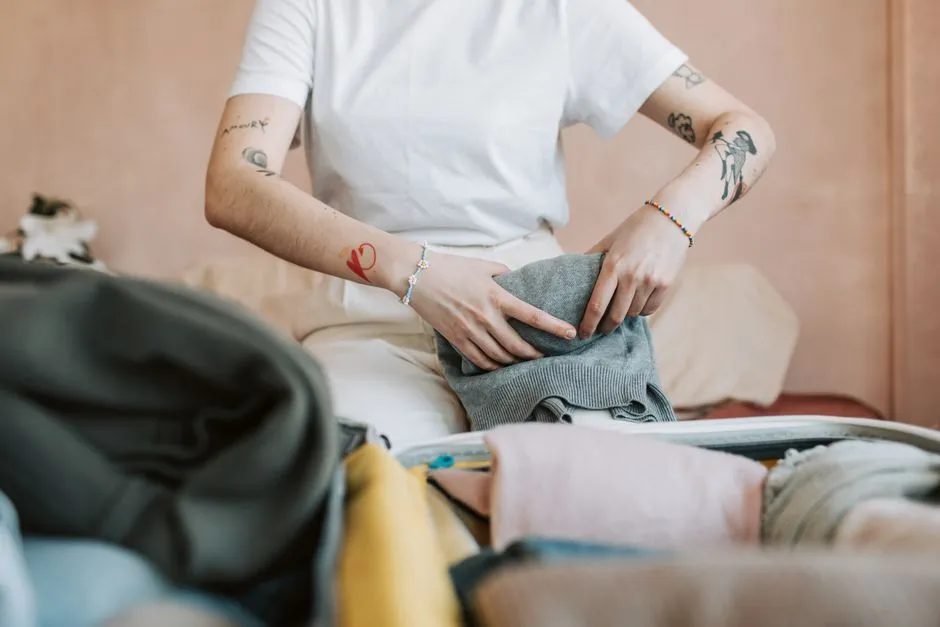
The core dilemma every traveler faces at the packing cube stage is whether to roll or fold. Both methods have passionate advocates, but scientific packing principles show that neither method is universally superior. Instead, the optimal strategy depends entirely on the fabric type, garment structure, and the shape of your luggage.
When Rolling Wins
Rolling clothes is highly effective for soft, flexible, and synthetic fabrics. When you roll a garment, you expel the air trapped between the layers of fabric. This compression allows you to pack more items into a smaller volume. Rolling is particularly suited for:
- T-shirts and tank tops
- Athletic wear and gym clothes (polyester, nylon, spandex)
- Jeans and casual chinos
- Pyjamas and loungewear
- Socks and underwear
By eliminating folds, rolling reduces the sharp creases that develop when heavy items press down on folded edges over several hours of travel.
When Folding Wins
Folding is the superior choice for structured garments, stiff fabrics, and items prone to severe wrinkling. If you attempt to roll a structured blazer, the shoulder pads will deform, and the lining will crease. Folding is best reserved for:
- Button-down dress shirts and blouses
- Tailored trousers and suit pants
- Blazers, sport coats, and structured jackets
- Linen clothing
- Heavy wool sweaters (which become too bulky when rolled)
Folding allows these garments to lie flat, distributing pressure evenly across the fabric surface rather than concentrating it along tight spirals.
A Comparative Guide to Packing Methods
To help you choose the right approach for your wardrobe, the table below compares the primary packing methods based on preparation time, complexity, space-saving potential, and ideal garment types.
| Packing Method | Time Needed | Complexity Level | Space-Saving Potential | Best For |
|---|---|---|---|---|
| Classic Flat Fold | Very Low | Simple | Moderate | Stiff cottons, sweaters, and linen |
| Basic Cylinder Roll | Low | Simple | High | T-shirts, casual pants, and synthetics |
| Ranger (Military) Roll | Moderate | Medium | Maximum | Underwear, socks, and basic t-shirts |
| Bundle Wrapping | High | Complex | High (for wrinkles) | Suits, dresses, and formal wear |
| Packing Cubes (Combined) | Low | Simple | Maximum (with compression) | All clothing types mixed together |
Step-by-Step Guide: How to Roll Clothes for Travel
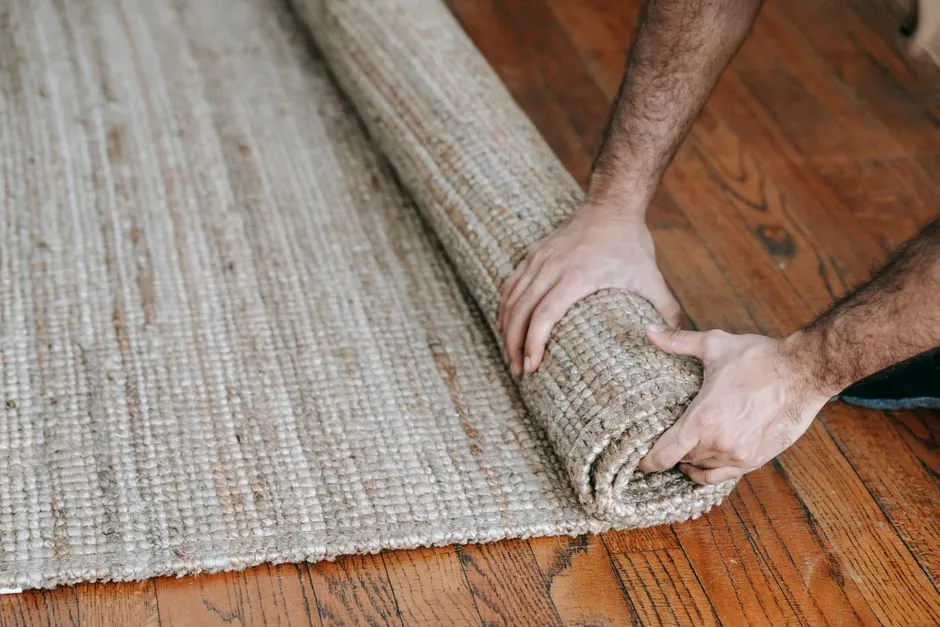
If you want to maximize space, mastering the roll is essential. Here are the step-by-step instructions for the two most popular rolling techniques used by frequent flyers.
The Basic Cylinder Roll
This is the quickest rolling method and works perfectly for everyday casual clothes.
- Lay the garment completely flat on a hard surface (like a table or bed) and smooth out all wrinkles with your hands.
- For a t-shirt, fold the sleeves inward toward the center body, creating a clean rectangle.
- For pants, fold them in half lengthwise so one leg sits directly on top of the other, smoothing the crotch seam flat.
- Start from the top (collar of the shirt or waistband of the pants) and roll tightly downward until you reach the hem. Keep the roll even and firm, but do not pull so hard that you stretch the fabric fibers.
The Ranger Roll (Military Roll)
The Ranger Roll is a highly secure packing method derived from military packing standards. It creates an extremely tight, self-contained bundle that will not unroll, even if dropped.
How to Ranger Roll a T-Shirt:
- Lay the shirt flat. Fold the bottom 2 to 3 inches of the shirt inside out, creating an inverted cuff around the entire bottom hem.
- Fold the left side of the shirt inward by one-third, folding the sleeve back over it.
- Fold the right side of the shirt inward by one-third, overlapping the first fold to create a long, narrow column.
- Starting from the collar, roll the shirt down as tightly as possible toward the bottom hem.
- Once you reach the bottom, grab the inverted cuff you created in step one and fold it back over the entire rolled cylinder, securing it in place.
How to Ranger Roll Pants:
- Lay the pants flat and flip the waistband inside out by about 3 to 4 inches on one side.
- Fold the legs together lengthwise.
- Starting from the ankles, roll the pants tightly upward toward the waistband.
- Once fully rolled, pull the inverted waistband cuff over the rolled bundle to lock it securely.
Step-by-Step Guide: How to Fold Clothes for Travel
For garments that require structure, folding remains the gold standard. These methods minimize creasing by placing folds along natural seams and structural lines.
The KonMari Method for Travel
Popularized by organizing expert Marie Kondo, this method allows clothes to stand upright inside your suitcase or packing cube, making them easy to see and retrieve without disturbing the rest of your luggage.
- Lay the item flat. Fold the sides inward to form a long rectangle.
- Fold the rectangle in half lengthwise, leaving a small gap at the end.
- Fold it inward again into thirds or halves until the garment can stand upright on its edge.
- Pack these vertically in your suitcase rather than stacking them on top of one another.
The Dress Shirt Fold
To keep dress shirts crisp and ready for business meetings or formal dinners, follow this classic retail fold:
- Button all the buttons on the shirt and lay it face down on a flat surface.
- Fold the right sleeve and about one-third of the shirt body toward the center. Fold the sleeve down along the edge of this fold.
- Repeat on the left side, ensuring the two folded sides meet evenly in the middle.
- Fold the bottom hem of the shirt up by one-third, then fold the top half down over it.
- Turn the shirt over. Place a clean sheet of tissue paper inside the folds to absorb friction and prevent creasing.
The Bundle Wrapping Technique
Bundle wrapping is an advanced method where clothes are wrapped around a central "core" (usually a pouch filled with soft items like socks and underwear). Because the fabric is wrapped around a curved surface rather than folded at sharp angles, it remains virtually wrinkle-free.
- Place your core item (a soft toiletry bag or sock bundle) on a flat surface.
- Lay your most wrinkle-prone item (like a suit jacket) flat, face up.
- Lay additional items (dresses, skirts, shirts) on top of the first item, alternating directions (e.g., collar of shirt one pointing left, collar of shirt two pointing right).
- Place the core in the center of the stack.
- Wrap the outer garments one by one around the core, smoothing the fabric as you wrap. This creates a single, cushioned bundle that fits neatly into your main suitcase compartment.
NEW — AI Snap & Check: photograph your packed bag and OneBag's AI instantly ticks off your items and warns you about missing essentials (passport, wallet, charger). Plus smart carry-on lists for your exact trip and bag-weight tracking for 80+ airlines — so you never forget a thing or pay an overweight fee.
Using Packing Cubes to Optimize Your Space
Regardless of whether you choose to fold or roll, packing cubes are indispensable tools for modern travel. They act as modular compartments within your suitcase, preventing your carefully folded or rolled clothes from shifting, sliding, and unravelling during transit.
How to Categorize Your Cubes
For maximum efficiency, do not simply stuff items randomly into cubes. Categorize them logically:
- By Item Type: Keep all t-shirts in one medium cube, undergarments in a small cube, and pants in a large cube.
- By Outfit: Pack entire daily outfits (shirt, pants, underwear, socks) into individual small cubes. This is ideal for fast-paced itineraries where you change hotels frequently.
- By Weather: Keep warm-weather gear in one cube and cold-weather layers in another, allowing you to adapt quickly to changing climates.
Compression Cubes vs. Standard Cubes
Standard packing cubes help with organization, but compression cubes take space-saving a step further. They feature a secondary zipper system that expels excess air from the cube once it is packed, reducing the overall volume by up to 30%. This is highly beneficial when packing bulky items like sweaters or jackets.
Weight Distribution and Luggage Balance
When learning how to fold clothes for travel, it is easy to focus entirely on volume while forgetting about weight. A perfectly packed suitcase can still be incredibly frustrating to travel with if it is unbalanced or exceeds airline weight limits.
The Physics of a Well-Packed Suitcase
To make your suitcase easy to wheel through airports and lift into overhead bins, follow these rules of weight distribution:
- The Bottom (Near the Wheels): Place your heaviest items here. This includes shoes, boots, heavy coats, and dense toiletry kits. Keeping the center of gravity low prevents the suitcase from tipping over when standing upright.
- The Middle: Place your medium-weight items, such as rolled jeans, sweaters, and structured folded items.
- The Top (Near the Handle): Place your lightest items here, such as delicate blouses, t-shirts, and pajamas. This ensures they do not get crushed under the weight of heavier items.
Staying Under Airline Weight Limits
Maximizing space with rolling and compression cubes makes it very easy to accidentally overpack. While your clothes might fit inside a standard carry-on suitcase, the total weight can quickly exceed the strict limits imposed by international airlines (often 7kg to 10kg for cabin baggage). To avoid expensive gate-check fees, always use a luggage scale before leaving for the airport, or utilize digital packing tools that help track item weights during the planning phase.
Common Mistakes to Avoid
Even experienced travelers make errors that lead to wrinkled clothing, damaged fabrics, or disorganized luggage. Avoid these common pitfalls:
- Over-rolling delicate fabrics: Attempting to tight-roll silk, linen, or fine wool can stretch the fibers and leave deep, stubborn wrinkles. The Fix: Fold these items loosely with tissue paper, or use the bundle wrapping method.
- Under-packing suitcase compartments: If your suitcase has empty space, your rolled items will shift and unroll during transit. The Fix: Fill empty gaps with small items like socks, or use compression straps to hold everything firmly in place.
- Forgetting to button shirts before folding: Folding an unbuttoned dress shirt causes the collar to collapse and the front placket to distort. The Fix: Always button at least every other button (including the top collar button) before folding.
- Packing dirty shoes directly with clothes: Placing shoes directly against clean garments transfers dirt, bacteria, and odors. The Fix: Always place shoes inside dedicated shoe bags or wrap the soles in a plastic shower cap.
- Ignoring the weight of your packing accessories: Heavy leather toiletry bags and structured packing cubes add unnecessary dead weight to your luggage. The Fix: Opt for lightweight, ripstop nylon cubes and silicone travel bottles.
Frequently Asked Questions
Does rolling clothes actually save more space than folding?
Yes, rolling saves more space than traditional flat folding for casual, synthetic, and knit garments. Rolling eliminates the air pockets that naturally form between folded layers, compressing the fabric into a smaller volume. However, for structured or stiff garments like suits and dress shirts, folding is more space-efficient because it allows the items to lie completely flat without adding bulk.
How do I keep my clothes from wrinkling when I roll them?
To prevent wrinkles when rolling, ensure the garment is completely flat and free of creases before you begin. Roll the fabric firmly but not so tightly that you stretch the fibers. For wrinkle-prone fabrics, place a sheet of tissue paper over the garment before rolling; the paper reduces the friction between the layers of fabric, which is the primary cause of creasing.
What is the best way to pack a suit or formal dress?
The best way to pack formal wear is using the bundle wrapping technique, where the suit or dress is wrapped around a central core of soft items. Alternatively, you can use a high-quality garment bag that folds in half. If you must fold a suit jacket into a suitcase, turn the jacket inside out, fold it in half lengthwise, and place a soft t-shirt inside the shoulders to help them maintain their shape.
How can I maximize space in a carry-on bag for a long trip?
Maximize carry-on space by using a combination of rolling (for casual wear) and folding (for structured wear), organized inside compression packing cubes. Wear your bulkiest items—like heavy jackets, boots, and jeans—on the plane instead of packing them. Additionally, plan to do laundry mid-trip so you only need to pack 5 to 7 days' worth of clothing regardless of your trip's duration.
Should I roll or fold sweaters and hoodies?
Heavy sweaters, hoodies, and cardigans should be folded rather than rolled. Because of their thick fabric, rolling them creates massive, bulky cylinders that take up more space than a flat, neat fold. Lay them flat at the bottom of your main suitcase compartment or use a large compression cube to squeeze out excess air.
How do I pack socks and underwear efficiently?
Socks and underwear are perfect for filling the "micro-spaces" in your luggage. You can use the Ranger Roll method to turn them into tiny, tight bundles. Instead of packing them in a dedicated cube, use them to fill the insides of your packed shoes, the gaps between rolled pants, or the corners of your suitcase frame.
Mastering the Art of Efficient Packing
Understanding how to fold clothes for travel is a skill that pays dividends on every journey. By matching the right technique to the right fabric—rolling your casual knits and synthetics while carefully folding your structured cottons and linens—you can fit more into your luggage while keeping your wardrobe looking fresh. Combined with smart organization tools like lightweight packing cubes and strategic weight distribution, you will navigate airport terminals and hotel rooms with ease, free from the burden of heavy, disorganized baggage. For more advice on preparing for international travel, consult the official Wikipedia Luggage Page for standard sizing guidelines, or check your specific carrier's baggage policy before you depart.

Independent Full Stack Developer · Founder of Tabserve
Aycan builds and maintains Tabserve's apps — OneBag, Routevia and RentFlow — and writes practical, tested guides to help you pack smarter, travel better and manage rentals with less hassle.