What Not to Pack in Carry-On: Prohibited Items and Pointless Weight
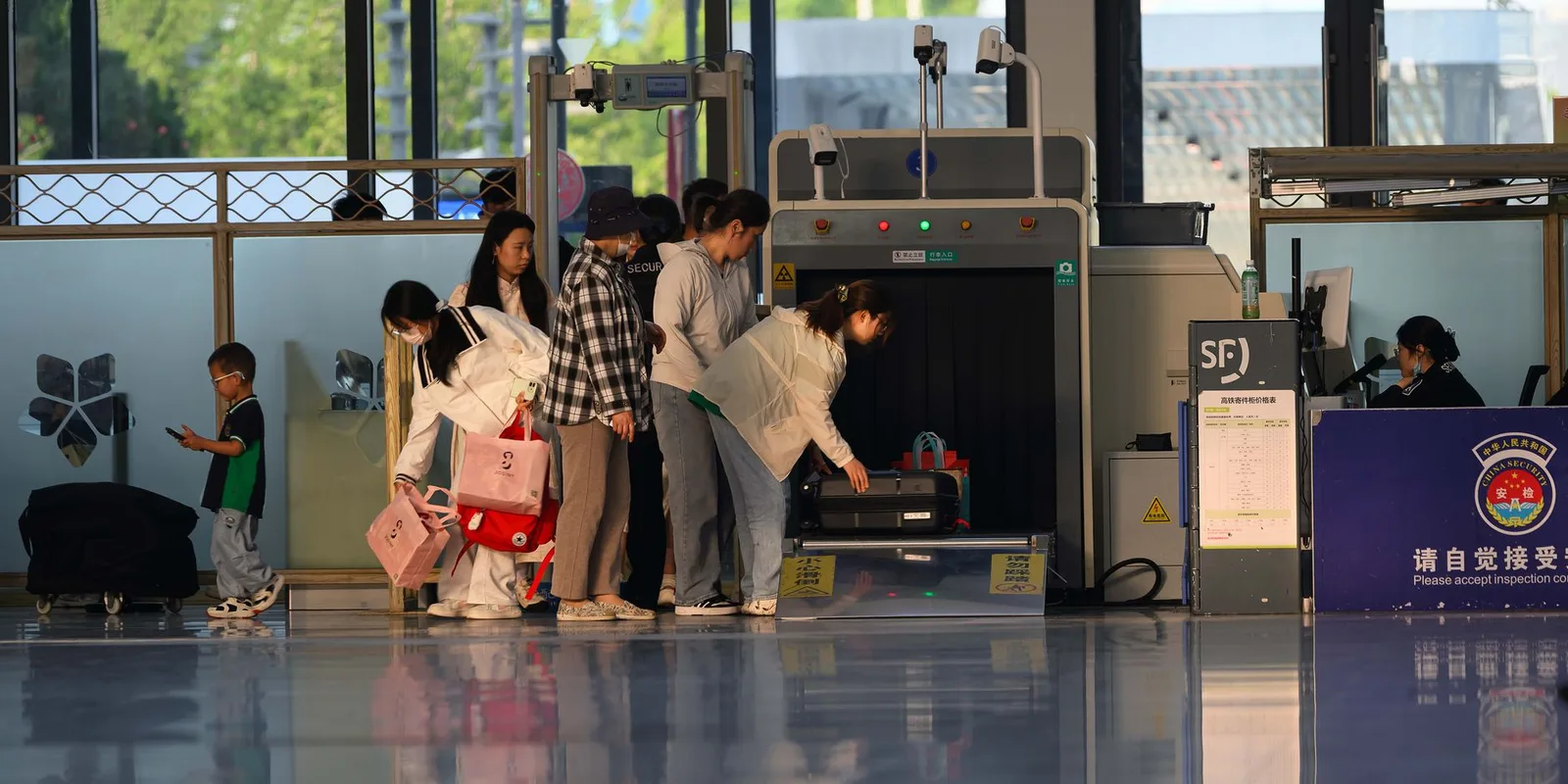
Navigating airport security requires knowing exactly what not to pack in carry-on luggage to avoid confiscation, delays, and unnecessary fees. This guide breaks down the strictly prohibited items by transit authorities like the TSA, separates them from heavy or useless "pointless" items that waste your cabin baggage allowance, and provides a strategic blueprint for packing a lean, compliant bag. By understanding liquid limits, sharp object rules, and digital packing strategies, you can breeze through security and keep your luggage light.
Preparing for a flight often sparks a mental tug-of-war between wanting to be prepared for every scenario and needing to fit your life into a compact overhead bin. The challenge is twofold: you must comply with strict international security regulations while simultaneously defending your bag against "just-in-case" packing habits that add dead weight. Knowing what not to pack in carry-on luggage is the single most effective way to speed through airport security, avoid the heartbreak of confiscated belongings, and keep your bag within strict airline weight limits.
Contents
- Key Takeaways
- The High Cost of Packing the Wrong Items
- Strictly Prohibited: What TSA and International Security Will Confiscate
- Pointless Weight: Items That Waste Your Carry-On Allowance
- The Carry-On Packing Audit: What to Keep vs. What to Leave
- Smart Strategies to Avoid Overpacking
- Common Mistakes to Avoid
- Frequently Asked Questions
Key Takeaways
- Strictly separate TSA-prohibited items (like liquids over 100ml and certain sharp tools) from personal items that are simply inefficient to carry.
- Heavy physical books, excess toiletries, and "just-in-case" outfits are the primary culprits behind overweight cabin bags.
- Always verify your airline's specific dimensions and weight limits, as international budget carriers can restrict carry-ons to as little as 7kg (15 lbs).
- Utilize digital tools and smart packing applications to track your bag's weight and audit your packing list before leaving home.

The High Cost of Packing the Wrong Items
When you pack non-compliant or unnecessary items in your cabin baggage, the consequences go far beyond a minor inconvenience. Security checkpoints are designed for rapid screening; introducing a prohibited item halts the entire lane, forcing a manual bag search that can take anywhere from 10 to 30 minutes. If you are running close to your boarding time, this delay can easily cause you to miss your flight.
Furthermore, items flagged by security are rarely returnable. Unless you are willing to leave the secure area, mail the item to yourself at a premium airport postal kiosk, or check your entire bag at the ticket counter for a hefty fee, your expensive pocket knives, high-end grooming products, or souvenir snow globes will be thrown directly into the disposal bin. Beyond security, packing "pointless" weight—such as heavy hair tools or multiple pairs of shoes—can force you to gate-check your bag, exposing your valuables to loss or damage in the cargo hold.
Strictly Prohibited: What TSA and International Security Will Confiscate
Airport security agencies worldwide, including the Transportation Security Administration, maintain rigid lists of items that are legally barred from the aircraft cabin. These items pose potential safety risks and will be intercepted immediately at the x-ray machine.
The 3-1-1 Liquids Rule Demystified
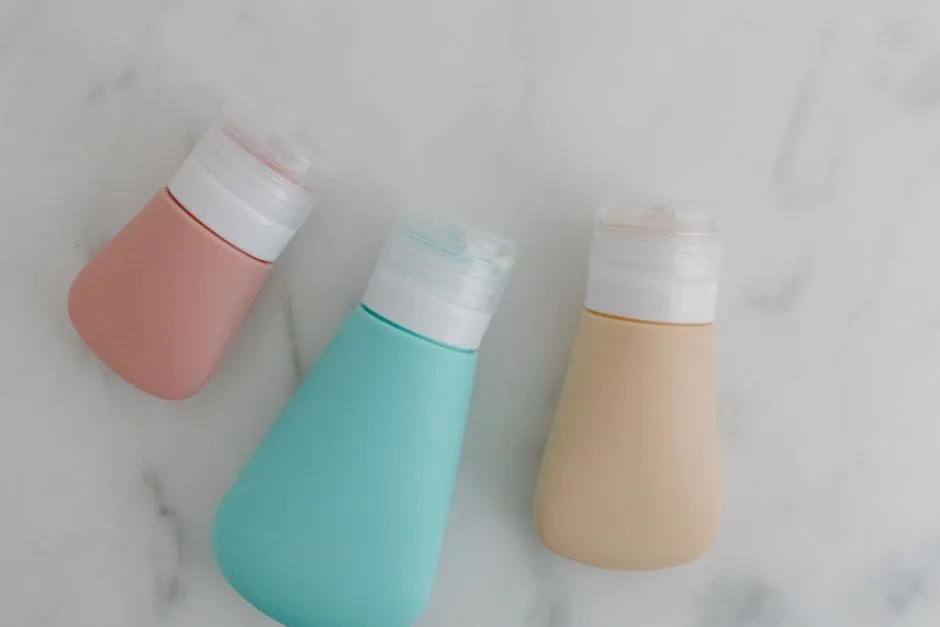
The most common security delays stem from misunderstandings of the liquid rules. All liquids, aerosols, gels, creams, and pastes carried in your hand luggage must comply with the 3-1-1 rule:
- 3.4 Ounces (100ml) or Less: All containers must have a printed capacity of 100ml or less. If you have a 200ml bottle that is only a quarter full, security will still confiscate it because the container capacity exceeds the limit.
- 1 Quart-Sized Bag: All 100ml containers must fit comfortably inside a single, clear, plastic, zip-top bag measuring approximately 20cm x 20cm.
- 1 Bag Per Passenger: Only one liquids bag is permitted per traveler.
Commonly overlooked liquids include peanut butter, spreadable cheeses, toothpaste, mascara, styling gels, and aerosol deodorants. If you can spill it, pour it, spray it, or spread it, it is classified as a liquid.
Sharp Objects and Tools
While some small scissors with blades under 4 inches (measured from the pivot point) are technically allowed in some jurisdictions, local security officers have final discretion. To avoid issues, do not pack:
- Pocket knives, utility knives, or box cutters.
- Straight razors and safety razor blades (disposable cartridge razors are allowed).
- Heavy-duty tools such as hammers, drills, pliers, or screwdrivers longer than 7 inches.
- Sewing kits containing long, sharp needles or large shears.
Sporting Goods and Self-Defense Items
Most sporting equipment that could be used as a club or bludgeon is banned from the cabin. This includes baseball bats, golf clubs, ski poles, hiking poles, and lacrosse sticks. Self-defense items, including pepper spray, mace, brass knuckles, and stun guns, are strictly prohibited in carry-on bags and may lead to local law enforcement intervention if brought to a checkpoint.
Pointless Weight: Items That Waste Your Carry-On Allowance
Once you clear the security hurdles, your next opponent is the airline's weight limit. Many international airlines restrict carry-on bags to 7kg, 8kg, or 10kg. To stay under these limits, you must eliminate heavy, low-utility items that are easily replaced or bypassed.
Heavy Toiletries and Full-Sized Products
A standard bottle of shampoo, conditioner, and body wash can easily weigh over 1.5kg combined. Instead of carrying heavy liquids, rely on the complimentary toiletries provided by your accommodation, buy travel-sized versions at your destination, or switch to solid alternatives such as shampoo bars, solid conditioner, and toothpaste tablets. These solid options do not count toward your 3-1-1 liquid limit and weigh a fraction of their liquid counterparts.
Multiple Pairs of Heavy Shoes
Shoes are the heaviest and bulkiest items in any suitcase. A single pair of leather boots or running shoes can weigh between 1kg and 1.5kg and occupy up to a third of your bag's volume. Limit yourself to a maximum of two pairs of shoes: wear your heaviest, bulkiest pair (like hiking boots or sneakers) on the plane, and pack one lightweight, versatile pair (such as flat sandals or packable loafers) in your bag.
Physical Books and Heavy Paperwork
While the feel of a physical book is unmatched, carrying two or three paperbacks can add over a kilogram of dead weight to your bag. Transition to an e-reader, tablet, or smartphone app for your reading material. Similarly, print only the essential travel documents (such as visas that require physical copies) and keep digital backups of your itineraries, hotel bookings, and boarding passes stored offline on your phone.
Hair Dryers and High-Wattage Styling Tools
Almost every hotel, hostel, and guesthouse provides a hair dryer either in the room or at the front desk. Packing your own hair dryer, curling iron, or straightener takes up massive amounts of space and adds unnecessary weight. Furthermore, dual-voltage issues can render your domestic styling tools useless or dangerous when plugged into foreign outlets with different voltage standards.
NEW — AI Snap & Check: photograph your packed bag and OneBag's AI instantly ticks off your items and warns you about missing essentials (passport, wallet, charger). Plus smart carry-on lists for your exact trip and bag-weight tracking for 80+ airlines — so you never forget a thing or pay an overweight fee.
The Carry-On Packing Audit: What to Keep vs. What to Leave
To help you visualize how to streamline your packing list, use this comparison table to evaluate common travel items, their weight impact, and their actual utility.
| Item Category | Weight Impact | Utility Level | Best Alternative |
|---|---|---|---|
| Full-sized toiletries | High (1.5kg+) | Low (easily replaced) | Solid bars or buy on arrival |
| Physical books/guides | Medium (0.5kg - 1kg) | Low (single use) | E-reader or offline mobile PDFs |
| Multiple denim jeans | High (0.7kg per pair) | Medium (slow to dry) | Lightweight synthetic or merino trousers |
| Travel umbrella | Medium (0.3kg) | Medium | Ultralight packable rain poncho/jacket |
| Hair straightener | Medium (0.4kg) | Low (hotel supplied) | Heat-free styling or hotel-provided tools |
Smart Strategies to Avoid Overpacking
Packing light is a skill developed through deliberate planning and utilizing modern tools. By shifting your mindset from "what if I need this?" to "how will I acquire this if I need it?", you can drastically reduce your baggage weight.
The Rule of One Week
Whether you are traveling for 10 days, three weeks, or three months, you should only pack enough clothing for seven days. Plan to do laundry during your trip. Most destinations have affordable laundromats, hotel laundry services, or sinks where you can wash quick-drying garments overnight. Packing for a single week ensures your bag remains light and manageable regardless of your trip's duration.
Embrace the Merino Wool and Synthetics
Cotton garments absorb moisture, retain odors, and take a long time to dry, meaning you have to pack more of them. Technical synthetic fabrics and merino wool are lightweight, naturally odor-resistant, and dry within hours. A single merino wool t-shirt can be worn multiple times without smelling, allowing you to cut your clothing volume in half.
Utilize Digital Packing Apps and Trackers
Manually guessing the weight of your bag is a recipe for gate-check fees. Experienced travelers rely on specialized digital tools to plan their loads. Using a dedicated packing app like OneBag allows you to build a structured, digital inventory of your gear. By inputting the weights of your individual items, you can see exactly where your weight budget is being spent and eliminate heavy items before they ever enter your physical bag. Pairing this digital audit with an airline weight tracker ensures you never face unexpected fees at the check-in desk.
How to Conduct a Pre-Flight Weight Audit
Step 1: Weigh Your Empty Bag
Many modern wheeled carry-on suitcases weigh between 2.5kg and 3.5kg when completely empty. That represents up to half of your total weight allowance on strict airlines. Knowing your bag's base weight helps you understand how much cargo weight you have left.
Step 2: Log and Categorize Every Item
Use your packing app to list every item you intend to bring. Group them into categories such as clothing, electronics, toiletries, and documents. This visualization quickly highlights areas of excess, such as packing five t-shirts when you only need three.
Step 3: Trim the Excess
If your total calculated weight exceeds your airline's limit, start removing items from the bottom of your priority list. Target heavy toiletries, extra shoes, and "just-in-case" layers first until you are safely under the threshold.
Common Mistakes to Avoid
- Mistake: Packing heavy items at the top of your bag. This shifts the center of gravity, making your bag difficult to wheel or carry, and increases the risk of it tipping over. Always pack heavy items like shoes or electronics near the wheels or at the bottom of your backpack.
- Mistake: Assuming "travel-sized" means compliant. Some novelty travel products are sold in 150ml or 120ml containers. Always check the physical milliliter or fluid ounce label on the bottle, not just the marketing text on the front.
- Mistake: Forgetting to pack a "personal item" strategically. Most airlines allow a carry-on bag plus a small personal item (like a purse or small backpack) that fits under the seat in front of you. Use this personal item to hold your heaviest essentials, such as your laptop, camera, and external battery packs, to distribute the weight away from your main overhead bag.
- Mistake: Wearing your thinnest clothes on travel day. To maximize space inside your bag, wear your bulkiest jacket, heaviest boots, and thickest sweater on the plane, even if you have to temporarily delayer once you are on board.
- Mistake: Packing lithium batteries in checked luggage instead of carry-on. While this guide focuses on what not to pack in carry-on, you must remember that loose lithium-ion batteries, power banks, and electronic cigarettes are actually banned from checked baggage due to fire risks and must be kept in your hand luggage.
Frequently Asked Questions
Can I bring solid makeup in my carry-on without putting it in the liquids bag?
Yes, solid makeup items such as powder foundation, pressed bronzers, solid lipsticks, and eye shadow palettes do not fall under the liquid restrictions and can be packed anywhere in your carry-on bag. Only liquid, gel, or cream cosmetics (like liquid foundation, mascara, lip gloss, and concealer) must be placed in your clear, quart-sized liquids bag.
Are nail clippers and tweezers allowed in hand luggage?
Yes, nail clippers, tweezers, and small round-tip safety scissors are generally permitted in carry-on luggage by most international aviation authorities. However, nail files with sharp metal points or long blades may occasionally be flagged by over-cautious security agents, so opting for an emery board is a safer alternative.
What happens if my carry-on bag is overweight at the boarding gate?
If your bag is checked at the boarding gate and found to exceed the airline's weight or size limits, you will typically be charged a premium gate-check fee. The airline will then label your bag and place it into the cargo hold. To avoid this, always weigh your bag at home and check your airline's specific baggage policy before arriving at the airport.
Can I bring food items like snacks or sandwiches through security?
Solid food items such as sandwiches, fruit, nuts, crackers, and dry snacks are fully permitted through airport security. However, any food that has a liquid, creamy, or spreadable consistency—such as yogurt, hummus, jam, peanut butter, or salad dressing—must comply with the 3-1-1 liquids rule and fit inside your single quart-sized plastic bag.
Is medicine exempt from the standard liquid limits?
Yes, medically necessary liquids, gels, and aerosols are exempt from the 3-1-1 liquids rule. This includes prescription medications, insulin, baby formula, breast milk, and baby food. You must declare these items to security officers at the checkpoint for manual inspection, and it is highly recommended to keep them in their original packaging with matching prescription labels.
Can I bring an empty water bottle through the security checkpoint?
Yes, you can bring an empty reusable water bottle, thermos, or hydration bladder through security. Once you have cleared the checkpoint, you can fill it up at an airport water fountain or bottle-filling station before boarding your flight, saving money and reducing single-use plastic waste.
Packing for a trip does not have to be a stressful guessing game. By clearly separating the legally prohibited items from the unnecessary weight-wasters, you can curate a streamlined, compliant, and highly efficient carry-on bag. Utilizing modern packing strategies and digital tools ensures you remain light on your feet, avoid expensive airport surprises, and focus on the journey ahead rather than the baggage you are pulling behind you.

Independent Full Stack Developer · Founder of Tabserve
Aycan builds and maintains Tabserve's apps — OneBag, Routevia and RentFlow — and writes practical, tested guides to help you pack smarter, travel better and manage rentals with less hassle.